

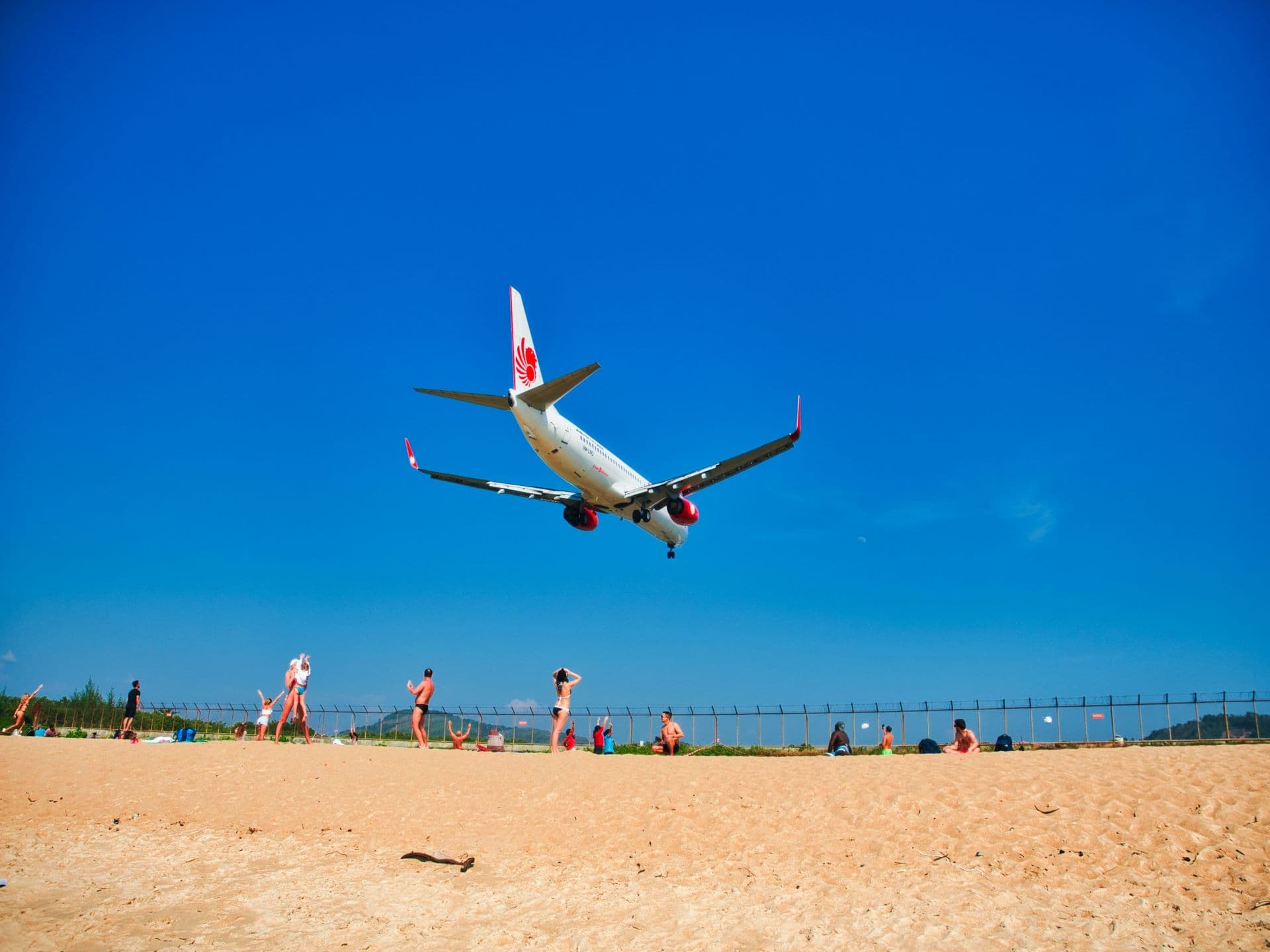
Scattered across oceans, remote islands hold a special kind of magic. From volcanic archipelagos in the Atlantic to coral‑ringed atolls in the Pacific, these distant spots evoke images of dramatic coastlines, shimmering lagoons, and communities shaped by wind, sea and solitude. For decades, however, their remoteness has been a double‑edged sword — isolation preserved their natural beauty, but it also kept them beyond the reach of ordinary travelers.
Today, that’s changing. Through a new wave of commercial aviation — regional carriers, inter‑island flights, budget airlines — many of these once‑hard‑to‑reach places are becoming accessible to curious visitors. As the skies open up, so does a world of tourism potential. Islands long known only to fishermen, locals and intrepid adventurers are now emerging as framed postcards in travel itineraries.
This transformation is not about mass market beach resorts or package‑tour crowds. It’s about enabling respectful, authentic exploration of landscapes largely untouched by commercial tourism. In that lies both opportunity — and responsibility.
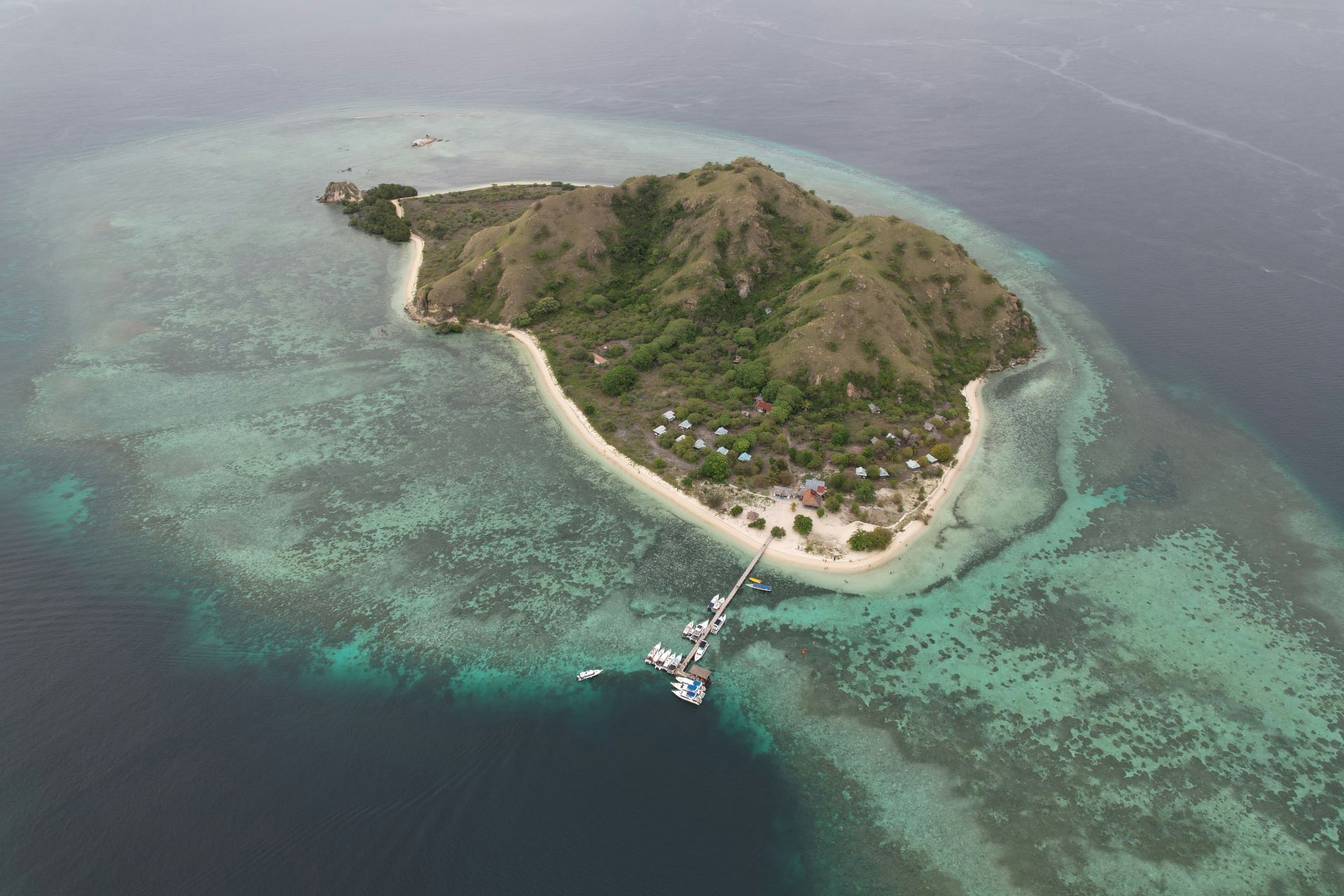
When Planes Replace Hours at Sea: The Rise of Inter‑Island Aviation
For isolated archipelagos, connecting one island to another has often required long, unreliable boat trips or slow ferries. That’s gradually giving way to small planes and regional carriers that stitch islands together with air routes.
A case in point is SATA Air Açores and Azores Airlines in the mid‑Atlantic. Since the liberalisation of air services in 2015, the Azores archipelago has seen exponential growth in tourism and mobility.
Between 2015 and 2017 passenger numbers on national (mainland‑to‑island) and inter‑island flights skyrocketed: direct flights linked islands that previously required lengthy sea crossings.
The result? People started to actually explore the archipelago — hopping from São Miguel to Pico, from Faial to Terceira — making what were once distant, logistically challenging islands part of a fluid, multi‑island journey. Local tourism infrastructure adapted accordingly: new guest houses, eco‑lodges, small‑scale accommodations, local tours.
Flying became more than convenience. It became the connective tissue that turned a group of isolated islands into a coherent destination, accessible not just to locals or adventurers — but to mainstream travelers.
Beyond the Azores: Regional Airlines Bringing Hidden Islands to the Forefront
The story of air‑enabled island tourism isn’t confined to the Azores. Across the Pacific, the Indian Ocean, and other remote clusters, small airlines and regional carriers are gradually knitting the globe closer together — giving islanders new lifelines and giving travelers new playgrounds.
Take Fiji Link — the domestic arm of Fiji Airways. It serves a network of islands across Fiji, offering scheduled services to destinations that otherwise would require lengthy boat travel.
Then there’s Air Kiribati, the flag carrier of the Republic of Kiribati, which operates scheduled flights to some 20 atolls scattered over 3.5 million square kilometers of ocean.
In the Pacific’s Cook Islands, Air Rarotonga provides regular inter‑island services — and even charters — extending connectivity far beyond what sea travel alone could sustain.
These carriers may not show up on global travel brochures — they lack the glamorous branding of major international airlines — but they play a far more important role. They are the unsung enablers of access, transforming remote dots on a nautical chart into reachable destinations for travelers willing to venture off the beaten path.
As these airlines grow more reliable, more frequent, more integrated with global booking systems and alliance networks, remote islands suddenly become tangible — not just wistful dreams.
From Isolation to International Destination: What Happens When Islands Open Up
Opening air corridors to remote islands does more than ease travel. It reshapes entire economies and local lifestyles. The ripple effect touches hospitality, services, local commerce — and ultimately how people live.
In the Azores, for example, the liberalisation of air transport after 2015 coincided with a massive boost in tourism. The number of overnight stays, lodging beds, and tourism‑driven revenue rose significantly.
Small islands that once had limited accommodation options saw private houses converted into guesthouses. Local entrepreneurs began offering guided hikes, whale‑watching excursions, gastronomic experiences rooted in local produce. Farming and fishing communities saw new channels to sell goods to arriving visitors.
Moreover, remote, under‑visited islands — often overshadowed by their more famous neighbors — started to benefit from “spillover tourism.” For curious travelers who sought to go beyond the main island, inter‑island flights provided a way in: not just a tiny detour, but a legitimate itinerary.
What emerges is a slower, more distributed tourism model. Instead of overloading a single hotspot, tourists spread across multiple islands. That helps mitigate overtourism and preserves the distinct character of each place. It also fosters greater economic balance — small communities share in the benefits rather than monopolies clustered in a capital city.
Airlines as Ambassadors: How Carriers Shape Perception of Remote Islands
Airlines don’t just carry passengers: they carry the promise of a destination. When a route opens, it’s a signal: this place exists, and it’s reachable.
The entry of low‑cost carriers (LCCs) into remote‑island air networks has proven pivotal. In the Azores, the arrival of carriers like Ryanair and easyJet — in competition with flag‑carriers — drove down fares. That made island access affordable to a broader slice of travelers.
Meanwhile, legacy carriers — under pressure — widened their route maps to keep up. In the Azores example, international routes to North America and Europe expanded, and inter‑island connectivity deepened.
This new competitive ambitus didn’t just make reaching remote islands easier. It reframed those islands in the global travel imagination — from obscure archipelagos to chic, under‑discovered holiday spots with rugged beauty, hiking trails, volcanic lakes and quiet harbors.
Airlines, in effect, became gatekeepers between the “unknown island” and the “holiday destination.” As soon as a flight lands, the island becomes a story waiting to be told — by travelers, itinerary planners, social‑media wanderers, and local hosts.
Risks and Realities: What Island Tourism Must Guard Against
Opening remote islands to tourism and air travel brings wondrous possibilities — but also serious pitfalls. Unchecked growth can strain fragile ecosystems, create cultural dilution, and push local communities into dependency on outside flows.
In remote island contexts, tourism‑driven growth can morph traditional economies fast. Local housing may shift to holiday lets. Fishing and agriculture might give way to service‑based income. That brings economic opportunity — but also fragility, especially if tourism fluctuates.
Ecological and social resilience become crucial. Islands are often vulnerable — climate change, sea‑level rise, coral‑reef degradation, and limited fresh water supply are everyday realities. Add an influx of visitors, and pressure mounts: waste management, biodiversity, cultural integrity.
Moreover, the appeal of a “remote island holiday” hinges on authenticity. Once an island becomes too accessible, too packaged for tourists, that very charm risks being lost. The magic lies in solitude, in natural rhythms — and sometimes in the challenge of getting there.
That’s why connectivity must be balanced with stewardship. Airlines, tourism boards, local governments and communities need to coordinate. Infrastructure, conservation, and sustainable tourism practices must accompany every new route.
The Workhorse Carriers: Who’s Making the Connections
If remote islands are to be unlocked, it takes airlines built for flexibility — smaller aircraft, inter‑island network logic, sometimes seasonal scheduling, often adaptability. A few carriers stand out as enablers.
SATA Air Açores & Azores Airlines — the backbone of connectivity in the Azores archipelago; they link nine inhabited islands with the mainland and to global destinations, enabling multi‑island travel itineraries.
Fiji Link — domestic arm of Fiji Airways; serves the Fijian islands, making remote atolls reachable without lengthy boat travel.
Air Kiribati — connecting 20 atolls across the vast Pacific spread of Kiribati, this carrier shows how national airlines in small countries can anchor mobility across extensive ocean distances.
Air Rarotonga — operating across the Cook Islands and regionally into Polynesia; provides scheduled and charter services to remote islands frequently bypassed by mass‑tourism operators.
These airlines may not aim for luxury or high capacity — many use turboprops, small aircraft, short‑runway operations. But that’s precisely their strength: they reach where large jets can’t. They transform isolation into connectivity.
What This Means for the Traveller: New Paths, Real Journeys
For travelers craving more than cliché resorts and crowded beaches, these developments open a treasure trove of opportunities.
With inter‑island flights, you don’t have to pick just one “destination.” You can island‑hop. From volcanic crater lakes to remote villages draped in mist, from cliff‑lined coasts to coral lagoons — entire micro‑worlds open up in a single trip.
You gain flexibility. Missed a ferry? No worries — there’s a flight tomorrow. Want to escape the tour‑bus trail? Fly to a quiet island, rent a bike or a kayak, stay in a guest‑house run by locals.
You help support local economies in meaningful ways. Instead of a monolithic resort, you stay in locally-owned accommodations. You eat fresh fish from local fishermen. You hire local guides. You interact — not just consume.
But above all: you access places that remain relatively unspoiled. For now, at least. The plane doesn’t just carry you — it carries possibility. Possibility that tourism and environmental respect can coexist, that travel can open minds without erasing the soul of a place.
The Future of Island Tourism: Flying Smart, Treading Lightly
As more carriers consider routes to remote islands, as global travellers look for experiences beyond mainstream destinations, islands will continue to draw interest. But growth must be managed.
Some ideas to guide that future:
Sustainable route planning: airlines and tourism boards should coordinate so island access is increased without overwhelming infrastructure.
Support for local communities: tourism should benefit islanders first — not just corporate outsiders. Guesthouses, local guides, small‑scale services should be prioritized.
Environmental safeguards: protect reefs, forests, water resources; regulate visitor numbers if needed; enforce responsible tourism standards.
Seasonal balance: avoid boom‑and‑bust cycles by creating year‑round tourism flows rather than overcrowded peaks.
Authentic promotion: market islands not as “resorts” but as real places with culture, history, nature — so travelers come with respect, not consumption mindset.
When done right, connecting remote islands via air travel becomes more than a logistic feat: it becomes a bridge between worlds. A bridge that lets curious souls wander, learn and grow — without burning the magic of the place they visit.
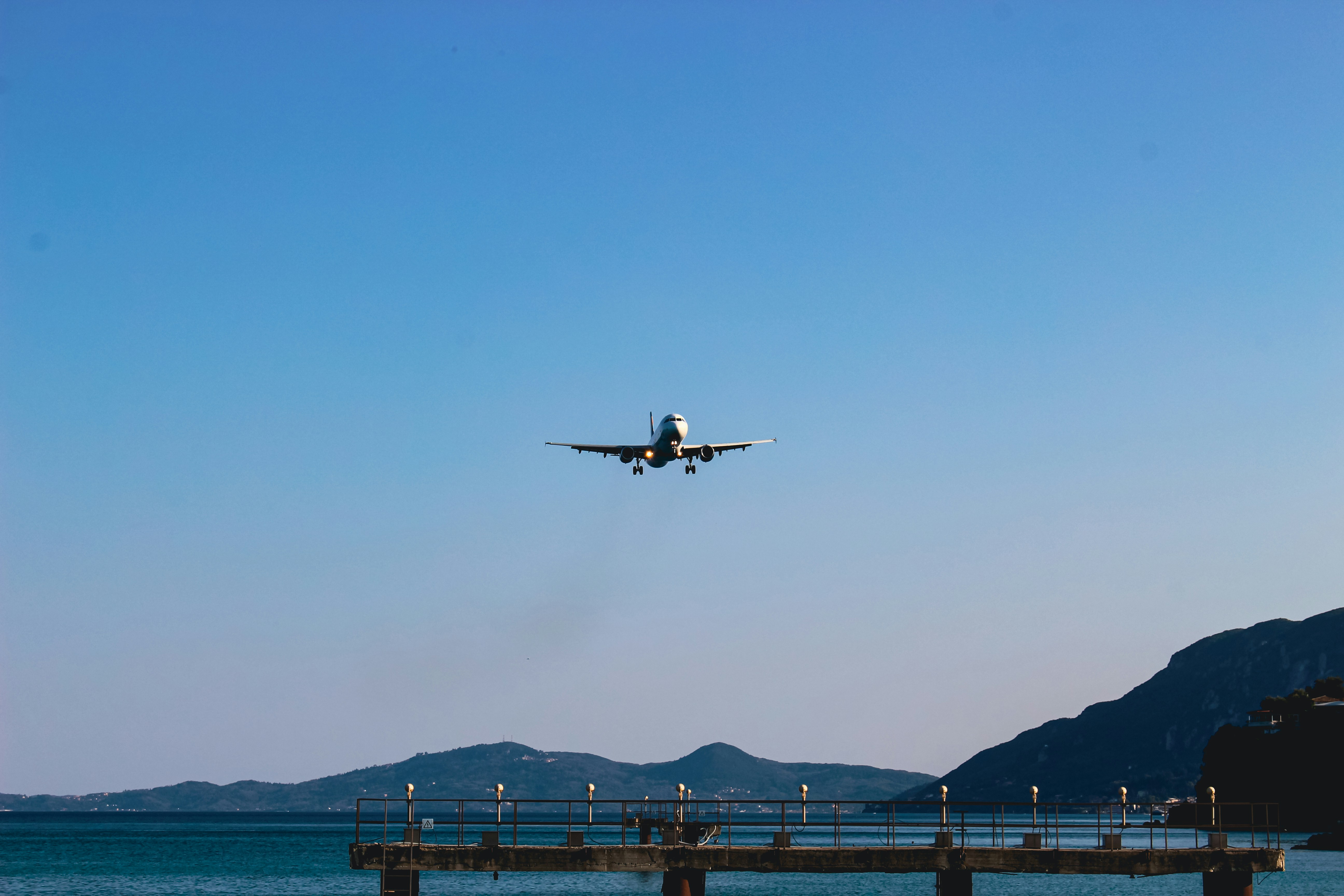
Remote islands have long whispered their secrets — those of mist‑clad volcanoes, hidden coves, ancestral villages, untouched reefs. For decades, their remoteness was both shield and barrier. Today, that barrier is falling, not through mass tourism or overdevelopment, but through careful, meaningful connectivity: planes with small wings, airlines built for reach, and tourism shaped by respect.
By opening remote islands to the skies, airlines such as SATA Air Açores, Fiji Link, Air Kiribati, Air Rarotonga and their peers are re‑writing travel maps. What was once known only to locals and adventurers becomes reachable to a broader world — not as a crowded resort, but as a quest, a journey, a story waiting to be lived.
As travelers, as writers, as curious humans, we stand at the cusp of a golden age of discovery: one where the world’s hidden shores become accessible — and in that access, we must carry care, conscience and wonder.