

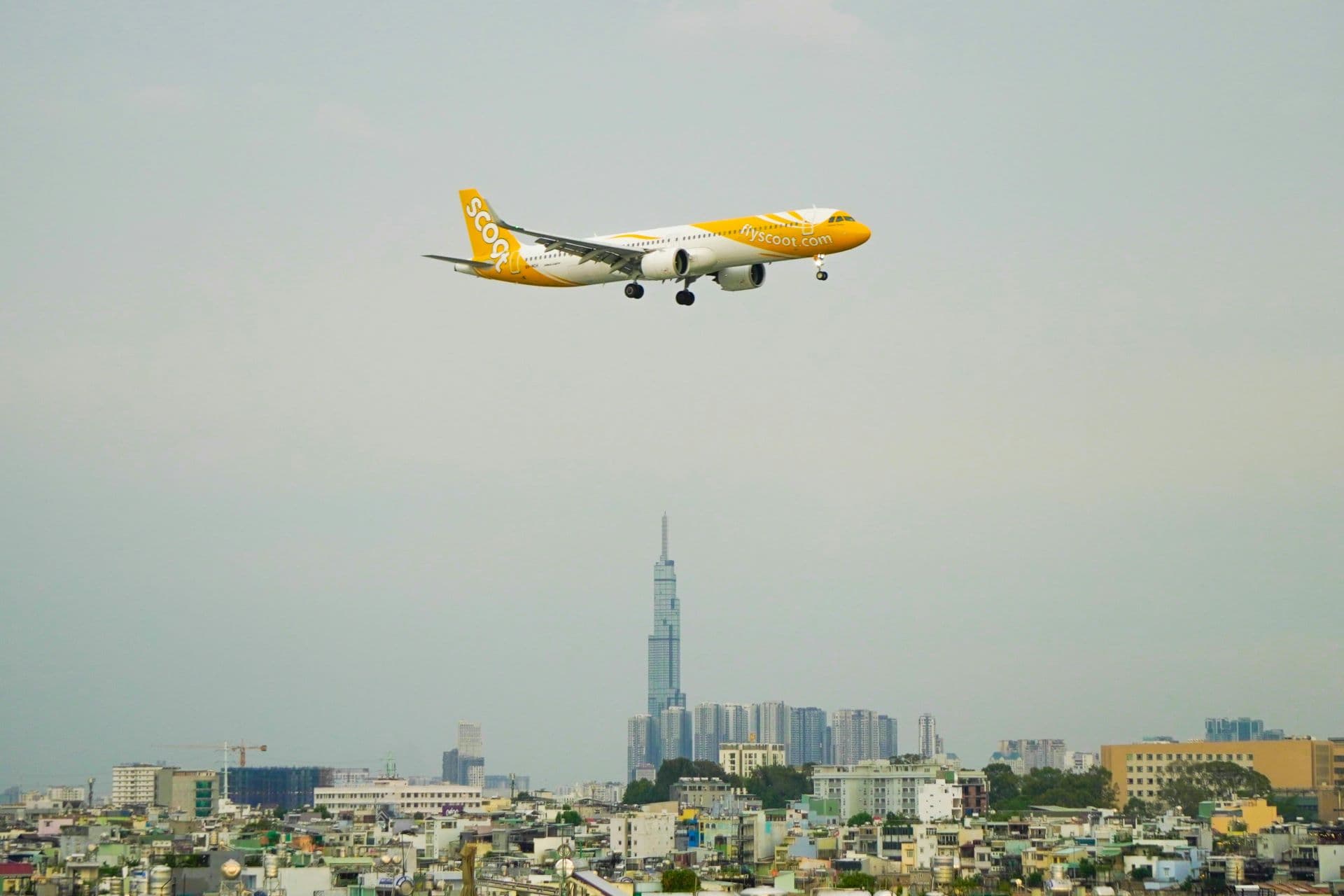
The Destination Begins in the Sky
Long before a traveller feels the first rush of foreign air, the “destination” has already begun unfolding around them. In an era where travel is as much an emotional journey as a physical relocation, airlines have become powerful curators of expectation. Through safety videos styled as cultural showcases, inflight magazines that craft narratives of wonder, entertainment libraries structured to teach, tease, and tantalise, and bespoke destination briefings delivered with the precision of a tourism board, airlines have assumed a surprising but commanding role: shaping tourist perceptions before landing.
This pre-arrival influence is no accident. Modern aviation marketing understands that the inflight experience is not merely a service touchpoint—it is prime psychological real estate. It is where excitement is sharpened, curiosity is kindled, and subconscious judgments begin forming. Travellers board expecting a journey; what they get is a narrative framework for how they will interpret a foreign city, culture, or landscape hours later.
Understanding how airlines craft these early impressions is crucial for tourism markets, national branding efforts, airport authorities, and hospitality sectors alike. What happens at 36,000 feet does not stay there; it enters the traveller’s mindset, colouring everything they will see and feel once they land.
Shaping the Story: The Strategic Role of Inflight Entertainment
Inflight entertainment is no longer a simple amenity. It has evolved into a strategic communications platform with subtle but profound effects on tourist psychology.
Airlines handpick content categories that straddle both entertainment value and soft-power influence. Destination documentaries, locally produced films, regional cuisine features, and cultural travelogues are placed not just to pass the time but to introduce tones of familiarity and intrigue. A traveller on a flight to Seoul may find K-dramas promoted higher in the interface; someone headed to Nairobi may be shown wildlife documentaries or local music profiles. These aren’t coincidences—they are narrative signposts.
Long-haul carriers especially understand the emotional state of a captive audience. Travellers are relaxed, removed from daily distractions, and in a unique sensory frame. Their openness to suggestion is higher, their receptivity more acute. When travellers discover a local film onboard and enjoy it, they are more likely to see the destination as culturally vibrant, creatively rich, or emotionally resonant. When they watch documentaries featuring cheerful locals and scenic vignettes, they begin mentally mapping an idealistic geography they expect to encounter later.
Even the soundtrack categories—local jazz, folk traditions, contemporary hits—operate as precursors to the destination’s sonic identity. These cues impact everything from what travellers consider “authentic” upon arrival to what they perceive as welcoming or unusual.
Airlines that collaborate with national tourism boards (as Air New Zealand, Emirates, Singapore Airlines, and others often do) ensure that inflight entertainment extends national branding seamlessly into the cabin. By the time the wheels touch down, travellers unknowingly step into a worldview that has already been shaped for them.
Destination Briefings: The Soft Power of Pre-Arrival Context
A key element of inflight content is the destination briefing—a blend of practical guidance and cultural framing that sets expectations for arrival. These briefings can range from simple summaries on the screen to fully-produced documentaries narrated by local personalities. Their influence is considerable.
The most effective briefings strike a delicate balance between information and inspiration. Travellers want to understand the basics—transport, weather, customs—but the true artistry lies in how airlines use these moments to nudge perception. When the briefing emphasises hospitality and warmth, travellers expect friendliness and seek it out. When it highlights unique cultural norms, those norms gain immediate credibility, even reverence. When it introduces upcoming festivals, foods, or landscapes, the excitement intensifies.
Airlines also use tone and imagery strategically. Soft-lit visuals, gentle narration, and ambient soundscapes are chosen to soothe and enthral. A briefing that shows bustling markets from serene angles will make a city feel vibrant rather than chaotic. A glimpse of rural landscapes creates a sense of grounding and authenticity. A focus on sustainability initiatives may prime travellers to see the destination as forward-thinking, even before they encounter any reality of it.
Importantly, destination briefings subtly shape behaviour. When airlines highlight cultural respect—such as dress codes, etiquette traditions, or environmental care—travellers internalise these points. They arrive better prepared and more aligned with local expectations, which can reduce friction and increase satisfaction.
In this way, airlines act as intermediaries between cultures, translating and interpreting them in digestible forms. Tourism boards may create campaigns, but airlines deliver the pre-arrival messages at the most influential moment.
Safety Videos: When Mandatory Becomes Memorable
Once upon a time, safety videos were functional tools—dull, repetitive, easily ignored. Today, they are cinematic experiences and cultural showcases. Airlines have transformed a regulatory requirement into one of their most valuable branding opportunities.
Safety videos now routinely spotlight national landscapes, languages, celebrities, and creative industries. Air New Zealand’s iconic comedic productions, Turkish Airlines’ cinematic explorations of Istanbul, Qatar Airways’ destination-rich sequences, and Japan Airlines’ culturally meticulous animations all prove how the genre has evolved.
The psychological effect is undeniable. Travellers don’t merely see safety instructions—they see the spirit of a nation reflected back at them. A humorous video primes expectations of friendliness; a poetic one fosters perceptions of elegance; a visually rich one builds excitement for exploration.
These videos also set emotional tone. When the message is playful, travellers anticipate a destination full of charm. When the visuals are sweeping and dramatic, they imagine grandeur and intensity. When the colours, music, or storytelling evoke tradition, travellers expect cultural depth.
Safety videos therefore operate as an early form of destination storytelling—one that passengers can’t skip, and one that dramatically influences pre-arrival attitudes.
Inflight Magazines: The Original Travel Influencers
Long before streaming screens and curated menus, inflight magazines were shaping the traveller’s mindset. They remain one of the most influential platforms onboard, particularly because of their deliberate blend of editorial authority and destination marketing.
Inflight magazines excel at crafting aspirational narratives. They present the destination through polished photography, storytelling, and interviews that elevate everyday cultural elements into symbols of wonder. A street café becomes a lifestyle statement. A coastline becomes a spiritual refuge. A local designer becomes a cultural ambassador.
The written format gives airlines space to craft nuance. Articles can explore heritage districts, emerging galleries, nightlife trends, environmental conservation projects, or local gastronomy with depth and emotional richness. Readers engage at a slower pace, absorbing subtleties that shape impressions with greater permanence.
Unlike fast-moving video or entertainment, magazines are tactile. They are physical artefacts of travel, often taken home as souvenirs and shared among friends—extending the influence far beyond the cabin.
Airlines use magazines to position themselves as cultural interpreters, not just transporters. By the time a traveller closes the back cover, they have been steeped in a curated vision of the place awaiting them. Their expectations—visual, emotional, and experiential—are richly textured, even if selectively framed.
Cultural Integration in the Cabin Environment
Beyond explicit content, airlines also influence perception through the cabin’s subtle design choices. The cabin environment itself becomes a pre-landing cultural introduction.
Colour palettes may reflect national motifs. Uniforms may incorporate traditional patterns or contemporary interpretations of heritage design. Onboard cuisine often highlights regional flavours, whether through small snacks like mochi or biltong, or full meal offerings featuring local spices and ingredients.
Even the style of hospitality—warm, formal, reserved, exuberant—communicates cultural values. A Japanese carrier’s meticulous courtesy shapes expectations of societal precision; a Middle Eastern carrier’s opulent service sets a tone of grandeur; a South African or Latin American carrier’s friendliness primes travellers for warmth and relaxed social norms.
These cues create a bridge between departure and arrival, making travellers feel as if they have entered the destination’s cultural sphere long before landing. The aircraft becomes an airborne embassy.
Destination Storytelling: The New Battleground for Airline Identity
Airlines have recognised that destination storytelling is no longer optional—it is a competitive differentiator. In a world where countless carriers offer similar seats, service tiers, or connections, the narrative surrounding the journey becomes the emotional product.
Storytelling has therefore become highly strategic. Airlines work closely with tourism boards, filmmakers, artists, influencers, anthropologists, and local communities to craft narratives that feel authentic yet aspirational. This storytelling extends across multiple inflight touchpoints.
The hero of these stories is rarely the airline itself. Instead, it is the traveller’s future relationship with the destination. Airlines position themselves as guides who unveil the soul of a place, encouraging travellers to imagine the memories they will make.
Destination storytelling is also moving toward hyper-customisation. Some carriers experiment with content tailored to a traveller’s language, interests, cabin class, or season of travel. A foodie might be shown culinary stories; an adventure-seeker might see hiking trails or wildlife excursions; a family might receive family-friendly city guides. Personalised inspiration is becoming the next frontier.
The implications are powerful: travellers land not only informed but primed for specific experiences, moods, and emotional expectations. The destination becomes a narrative waiting to be completed by the tourist.
The Power of Anticipation: Psychological Influence at Altitude
What makes inflight content so influential is not merely its content—it’s the psychological context in which it is delivered.
At cruising altitude, travellers experience a blend of stillness, anticipation, vulnerability, and disconnection from everyday stressors. This state opens cognitive pathways that make them more receptive to narrative cues. They are suspended between worlds, literally and metaphorically.
This liminal zone heightens imagination. It is here that travellers begin projecting their hopes and anxieties onto the destination. Airlines that fill this space with positive, well-crafted content greatly influence not only perceptions but behaviour.
Expectations formed during flight can determine:
• What travellers choose to seek out
Whether they look for authenticity, luxury, nightlife, heritage, or nature.
• How they interpret cultural interactions
Friendly informs friendly; cautious informs cautious.
• Whether they feel excited, nervous, or confident upon arrival
Pre-arrival mood shapes early impressions significantly.
• How they share experiences on social media
Early content frames the aesthetic travellers attempt to reproduce.
• How open they are to exploration vs. staying within comfort zones
Inspiration increases adventurousness.
Airlines therefore wield a subtle but potent influence over tourism ecosystems. They shape emotional trajectories that ripple outward into hotels, restaurants, attractions, and local economies.
Tourism Partnerships: Airlines and Destinations in Synchronised Branding
Airlines increasingly act as extensions of national tourism strategy. Many destinations now rely on airlines to frame their story before tourists arrive.
This synergy includes collaborative video production, route-specific content, themed magazines, and seasonal campaigns designed around festivals, migrations, cultural celebrations, or new local developments. Some airlines even feature pre-arrival shopping guides, local product stories, or interviews with regional creators.
The goal is consistent: to ensure that by the time travellers step off the aircraft, they already feel aligned with the destination’s narrative and emotionally invested in the experience ahead.
Tourism boards recognise the unique power of inflight influence. While campaigns on the ground compete with distractions, ads, and noise, inflight content has an almost meditative strength. It frames a place during the moment when travellers are most ready to listen.
Beyond Entertainment: Inflight Content as a Cultural Responsibility
With great influence comes responsibility. Airlines are not just service providers—they are cultural ambassadors. Their portrayal of destinations, communities, and traditions can uplift, oversimplify, or misrepresent.
The move toward authenticity is therefore becoming increasingly important. Travellers are more culturally aware, more sensitive to stereotypes, and more demanding of truth. Airlines that produce nuanced, respectful, well-researched content help promote deeper appreciation and avoid caricatures.
There is also a sustainability dimension. Airlines have the opportunity to promote responsible tourism—highlighting conservation efforts, encouraging respect for ecosystems, advocating low-impact experiences, or showcasing local artisanship. Such influence can shift traveller behaviour in meaningful ways.
Inflight content is no longer harmless entertainment—it is a platform for shaping global relationships.
The Moment of Descent: When Expectation Meets Reality
As the aircraft begins its descent, the inflight narrative reaches its climax. Travellers look out the window, comparing the real landscape to the imagined version shaped by hours of curated exposure.
Sometimes, the match is seamless. The city glows exactly as the magazine promised. The coastline curves just as the documentary showed. The cultural vibe aligns with the lively soundtrack played onboard.
Other times, the contrast is surprising, even disorienting. Yet even then, the pre-shaped expectation influences how travellers interpret those differences. They may feel delighted by unexpected authenticity, or reassured by familiar signifiers. Even if the narrative was idealised, it provides an interpretive frame.
The inflight experience lingers. It becomes the traveller’s first chapter—one they unconsciously reference throughout their trip. Every photo, review, interaction, and memory is subtly influenced by the conceptual groundwork laid in the sky.
Airlines rarely receive credit for this influence, yet they shape travel more profoundly than most tourism stakeholders realise.
The Sky as the First Tourism Office
The idea that tourism begins upon landing is outdated. In the modern travel ecosystem, the journey begins the moment the cabin door closes. Airlines have become the first tourism office travellers encounter—not through brochures or airport signage, but through storytelling, sensory cues, and cultural framing.
Inflight content builds emotional bridges between people and places. It sets expectations, shapes imagination, and seeds curiosity. It reduces cultural distance and enhances readiness to explore. It is subtle but powerful, operating below the level of conscious scrutiny yet determining much of what travellers feel when they step into a foreign world.
As airlines continue refining their inflight strategies, their role in tourism development will only deepen. They are not merely carriers of bodies—they are carriers of narratives, emotions, and first impressions. And in tourism, first impressions often last the longest.
The sky, therefore, is not just a place of transit. It is the world’s highest storytelling platform—and one of its most influential.