Travel News


How commercial aviation enables coastal tourism growth by amplifying seasonal demand, improving access, and scaling beach economies worldwide.
Coastal tourism has always carried a sense of inevitability. Oceans attract people, beaches collect them, and entire economies rise and fall with the rhythm of tides and holidays. Yet behind the postcard image of a sunlit shoreline is a less romantic but far more powerful engine: aviation.
Commercial airlines do not simply transport tourists to coastal destinations. They determine which beaches become global hotspots and which remain local secrets. A coastline without air access is a coastline capped in its potential. It may still be beautiful, but it is geographically constrained, reachable only by the slow friction of road or rail. Aviation removes that constraint, turning distance into a manageable variable rather than a barrier.
In modern tourism development, beaches scale not through proximity but through connectivity. The runway becomes the new waterfront threshold where global demand enters local space.

Coastal tourism relies on a delicate balance between natural appeal and logistical accessibility. While marketing often focuses on turquoise waters and golden sand, the true determinant of growth is passenger flow.
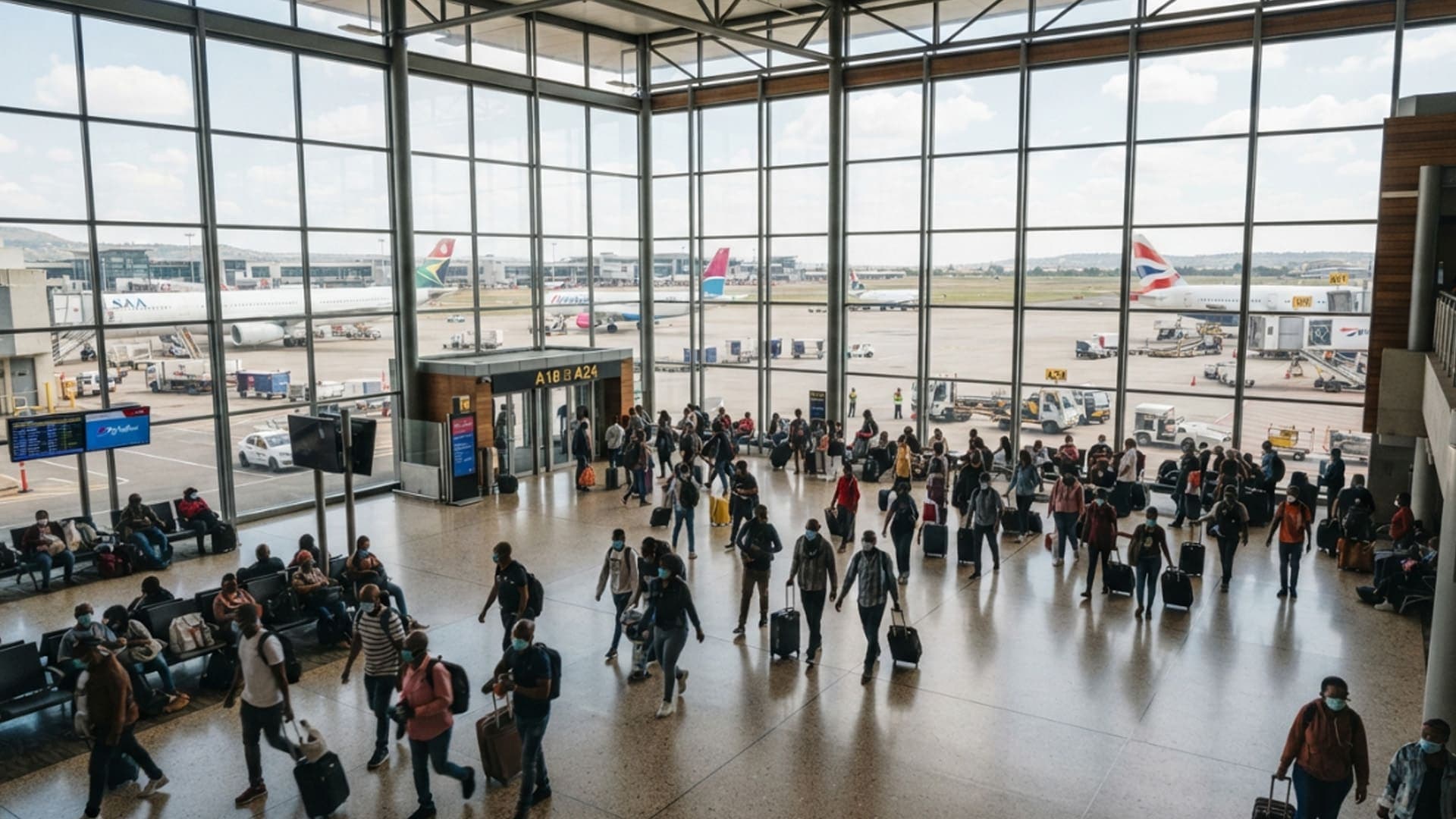
Commercial airlines act as the hidden infrastructure of coastal economies. Airports located near beach regions are not just transit hubs; they are economic gateways. When flight routes expand, visitor numbers do not grow gradually. They often surge, unlocking entirely new visitor segments who would never consider the destination under traditional travel constraints.
This is particularly important for long-haul tourism. A beach destination that once required multi-day overland travel becomes a single-flight journey. That compression of space reshapes traveler psychology. What once felt remote becomes attainable, and what feels attainable becomes desirable.
Air connectivity also stabilizes tourism economies by reducing dependency on domestic markets alone. Coastal regions that rely only on road-based tourism often experience limited seasonal peaks. Aviation introduces international and inter-regional demand layers that fundamentally alter scale.
Few sectors experience seasonality as sharply as coastal tourism. Beaches are not static products. They are climate-dependent environments that surge in popularity during specific months and contract during others.
Aviation intensifies this natural rhythm rather than smoothing it. Airlines respond to seasonal demand by adjusting capacity, adding routes, and increasing flight frequency during peak beach periods. This creates a feedback loop between destination popularity and air accessibility.
During high season, coastal airports often become pressure points of intense activity. Aircraft arrivals increase, seat capacity expands, and load factors climb. The beach itself becomes an endpoint of a much larger system of synchronized global movement.
This seasonal amplification is not accidental. It is engineered through airline scheduling strategies that align with school holidays, regional weather patterns, and global leisure calendars. Winter in one hemisphere often corresponds to peak outbound leisure travel, while summer drives domestic coastal migration in others.
The result is a predictable yet powerful wave pattern in tourism demand, where aviation acts as the tide generator.
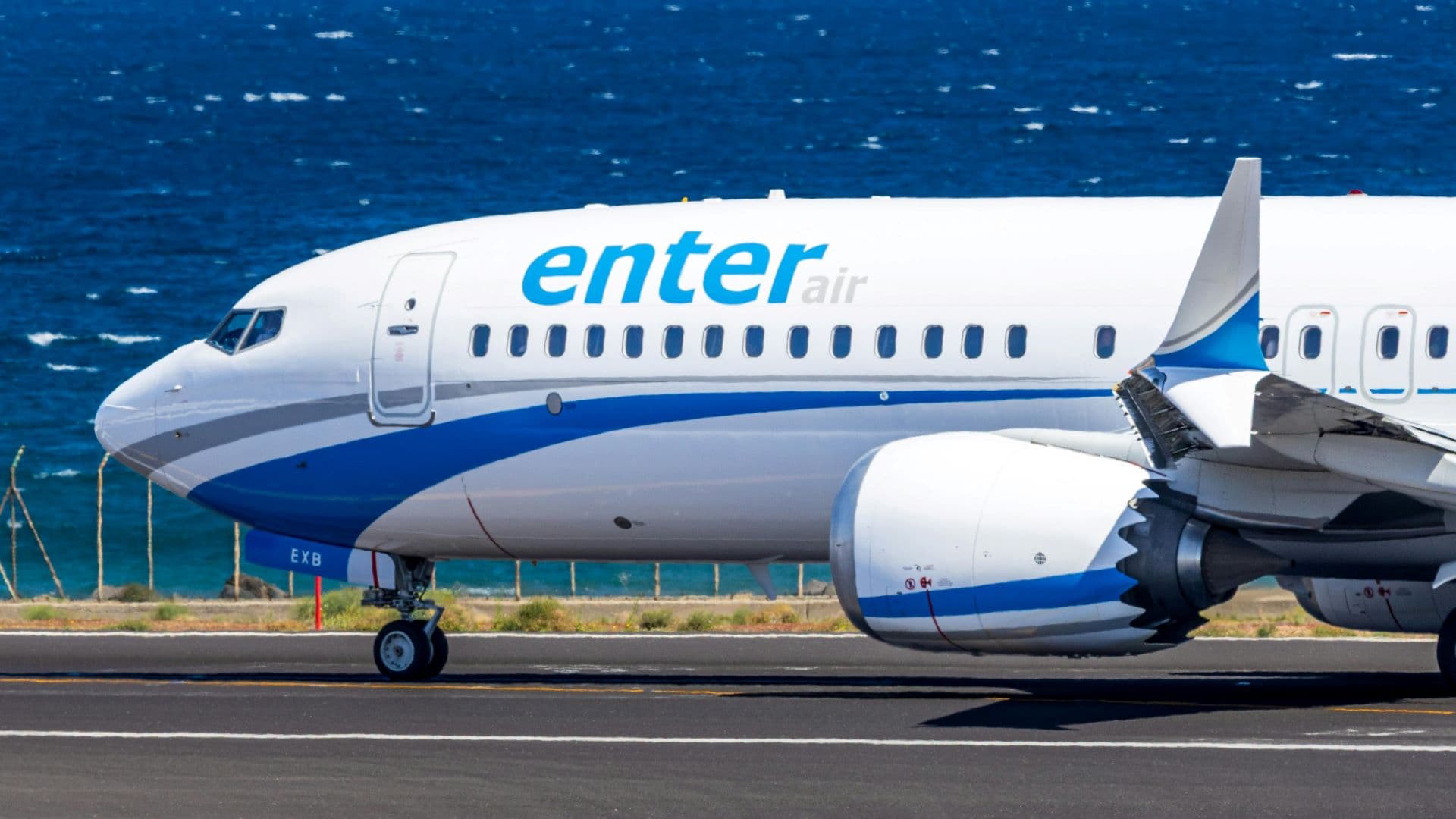
Commercial airlines do not just respond to demand. They shape it through route design. When an airline introduces a direct connection to a coastal destination, it effectively repositions that beach within the global mental map of travelers.
A destination that once required layovers becomes more competitive overnight. Travel friction decreases, and booking likelihood increases. This is particularly significant for mid-tier coastal destinations that are not global icons but possess strong natural appeal.
Airline hubs play a critical role in this geography of desire. Major hub airports function as redistribution engines, channeling passengers from multiple origins toward coastal endpoints. A single hub can transform a regional beach town into an international destination by consolidating dispersed demand.
This network effect is one of aviation’s most powerful contributions to coastal tourism. It does not simply add visitors. It reorganizes global access patterns in ways that redefine which beaches matter in the tourism hierarchy.
Behind every crowded beachfront lies a complex pricing and capacity strategy. Airlines operate within yield management systems that adjust ticket prices based on demand forecasts, competitor activity, and seasonal trends.
During peak coastal tourism periods, airfares often rise, reflecting scarcity of seats and heightened demand. This price elasticity does not deter tourism; instead, it filters and segments it. Higher-income travelers may secure direct flights, while budget-conscious travelers shift to indirect routes or alternative destinations.
For coastal economies, this segmentation is crucial. It allows destinations to attract multiple traveler profiles simultaneously. Luxury resorts benefit from high-yield passengers arriving on direct flights, while surrounding regions capture spillover tourism from more price-sensitive visitors.
Airlines, in this system, act as both gatekeepers and amplifiers. They regulate flow while also expanding total volume through capacity scaling.
The presence of an airport near a coastal region often triggers broader infrastructure development. Roads are improved, hospitality investments increase, and real estate markets respond to rising accessibility.
Commercial aviation does not operate in isolation. It is tightly integrated with destination development cycles. Once a coastal airport reaches a certain threshold of connectivity, it begins to attract sustained airline interest, which in turn reinforces tourism growth.
This creates a reinforcing loop. More flights bring more visitors. More visitors justify expanded infrastructure. Expanded infrastructure attracts more flights.
Over time, coastal regions can transition from seasonal tourism zones into year-round economies, particularly when airlines maintain off-peak routes for business travel, diaspora connections, or secondary leisure markets.
The rise of low-cost carriers has significantly altered coastal tourism dynamics. Previously exclusive destinations, once accessible primarily through expensive full-service flights, are now reachable to broader demographic groups.
This democratization of air travel has expanded the social composition of beach tourism. Families, young travelers, and budget-conscious tourists can now participate in international coastal travel in ways that were previously impractical.
Low-cost carriers also stimulate short-haul coastal breaks. Weekend beach trips, once limited to nearby regions, now extend across countries and even continents. This has intensified competition among coastal destinations, pushing them to diversify offerings beyond natural scenery.
The result is a more fluid and competitive coastal tourism market, where aviation plays a central role in shaping accessibility and affordability.
Airlines and tourism boards often coordinate closely during peak coastal seasons. Marketing campaigns are timed to align with route expansions and increased flight frequency.
This synchronization creates a powerful amplification effect. A beach destination entering peak season is not only physically more attractive due to weather conditions but also more visible due to increased flight availability and promotional activity.
Seasonality becomes both a natural and manufactured phenomenon. While climate dictates the baseline appeal of coastal regions, aviation determines the scale at which that appeal is experienced.
Destination branding increasingly reflects this relationship. Coastal tourism campaigns frequently emphasize flight times, direct routes, and ease of access alongside scenic imagery. The journey itself becomes part of the product narrative.
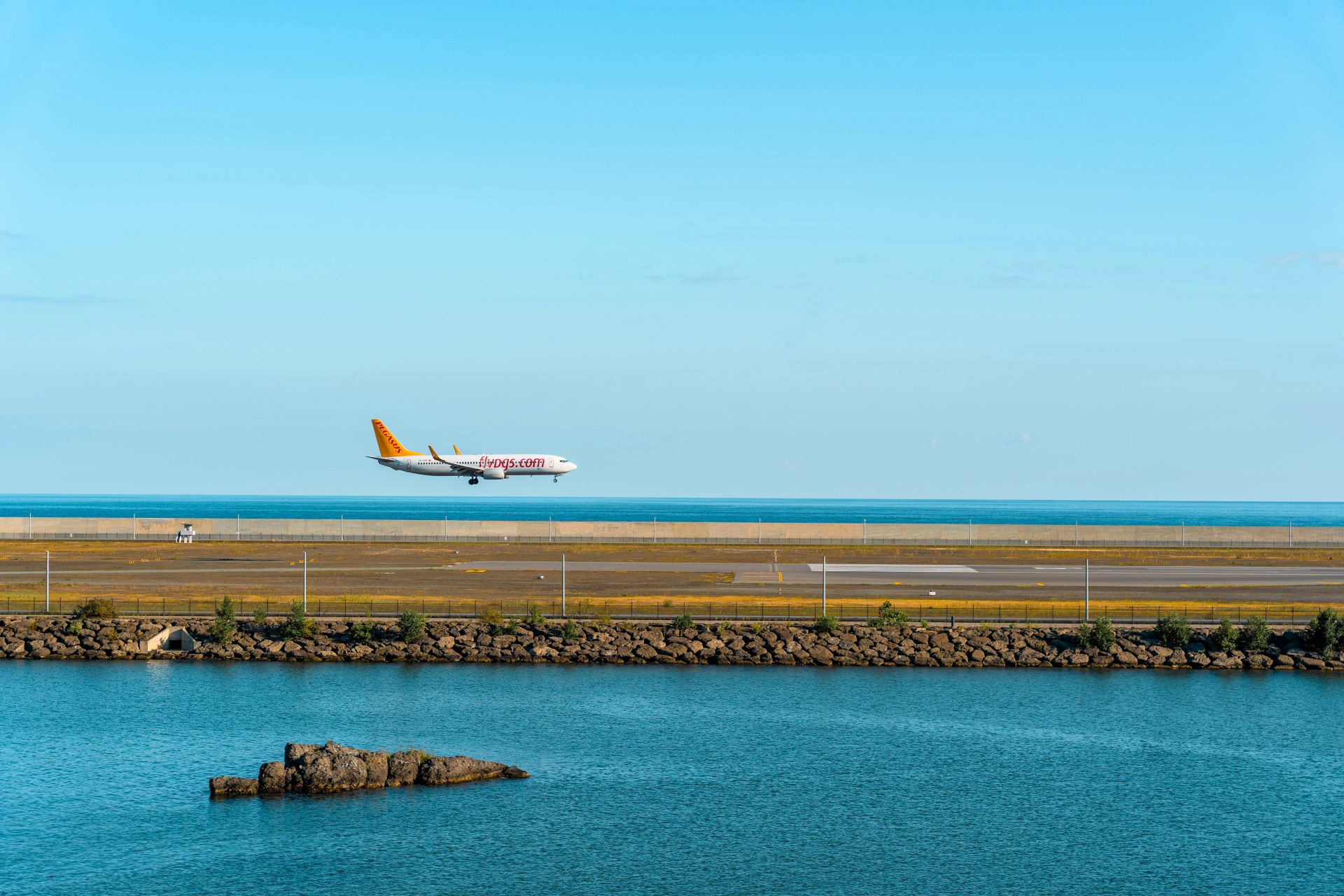
While aviation enables scale, it also introduces vulnerability. Coastal tourism economies heavily dependent on air traffic are sensitive to disruptions in airline operations.
Fuel price fluctuations, geopolitical constraints, regulatory changes, or global health events can rapidly alter flight availability. When air routes contract, coastal destinations often experience immediate declines in visitor numbers.
This dependency highlights the double-edged nature of aviation-led tourism development. Connectivity creates growth, but also concentration risk. Destinations that rely too heavily on a limited number of routes or carriers may face volatility when those networks shift.
Diversification of air access becomes a strategic priority. Coastal regions often seek multiple airline partnerships to reduce reliance on single carriers or hub systems.
Air travel does more than move people; it shapes perception. The act of boarding a plane to reach a coastal destination elevates the experience beyond local leisure. It transforms a beach trip into an event.
This psychological framing matters. Destinations accessed by air are often perceived as more significant, more rewarding, and more “worth the journey” than those reached by road.
For many travelers, the flight itself becomes a transition ritual. The departure from urban environments and the descent toward coastal landscapes creates a narrative arc that enhances the perceived value of the destination.
Commercial airlines, intentionally or not, contribute to this emotional architecture of travel. Seat maps, window views, and arrival timing all play a role in shaping anticipation.
Airlines operate seasonal schedules that align closely with coastal tourism cycles. Aircraft are redeployed across regions, with capacity shifting toward destinations experiencing peak demand.
This choreography is highly precise. Fleet utilization must be optimized to ensure profitability while meeting fluctuating leisure demand. Aircraft that serve business routes during weekdays may be reassigned to coastal leisure routes during weekends or holiday peaks.
This flexibility allows airlines to act as dynamic enablers of tourism flow. Rather than maintaining static networks, they continuously recalibrate based on demand signals.
For coastal destinations, this means that tourism intensity is partially controlled by airline fleet strategy. A single aircraft redeployment decision can influence visitor volumes across an entire region.
Not all coastal destinations benefit equally from aviation. Those connected to major international gateways tend to dominate global tourism flows.
Gateways act as filtering systems. They determine which coastal destinations are easily accessible from long-haul markets and which require additional connections. This hierarchy shapes global tourism patterns in subtle but powerful ways.
Destinations with direct international flights tend to attract higher volumes of long-stay visitors. Those requiring multiple connections often serve more niche or regional markets.
Over time, this creates a stratification of coastal tourism, where aviation access becomes a defining factor in destination status.
The global tourism system is increasingly organized around shifting seasons across hemispheres. When one region enters winter, another enters peak beach season.
Commercial airlines capitalize on this by creating global leisure circuits. Aircraft routes shift seasonally to follow demand across hemispheres, effectively chasing perpetual summer.
This creates a continuous flow of coastal tourism activity across the planet. When demand declines in one region, it rises in another, and aviation acts as the connecting mechanism.
The result is a globalized beach economy that never truly pauses, only relocates.
As aviation technology evolves, coastal tourism is likely to become even more integrated with air mobility systems. More efficient aircraft, expanded regional networks, and improved airport infrastructure will continue to reduce friction in beach travel.
However, sustainability pressures will also reshape this relationship. Coastal destinations, often vulnerable to environmental change, will need to balance growth with ecological protection. Airlines will increasingly be evaluated not just on connectivity but on emissions performance and environmental alignment.
This dual pressure will redefine how coastal tourism scales in the future. Accessibility will remain essential, but it will be measured against new environmental constraints.
Coastal tourism does not begin at the shoreline. It begins in the air, in the structured choreography of commercial aviation networks that determine who can reach the beach, when they arrive, and how often they return.
Aviation transforms beaches from local geographies into global destinations. It amplifies seasonal demand, concentrates economic activity, and reshapes the very meaning of accessibility.
Without aviation, coastal tourism remains regional and constrained. With it, beaches become nodes in a global mobility system, pulsing with seasonal rhythm and international flow.
The shoreline is where the journey ends. But the story of coastal tourism truly begins at 35,000 feet.
Elisha Roodt
Specializing in uncovering the best flight deals, ticketing strategies, and essential travel tips to help you navigate global destinations with ease and confidence.