

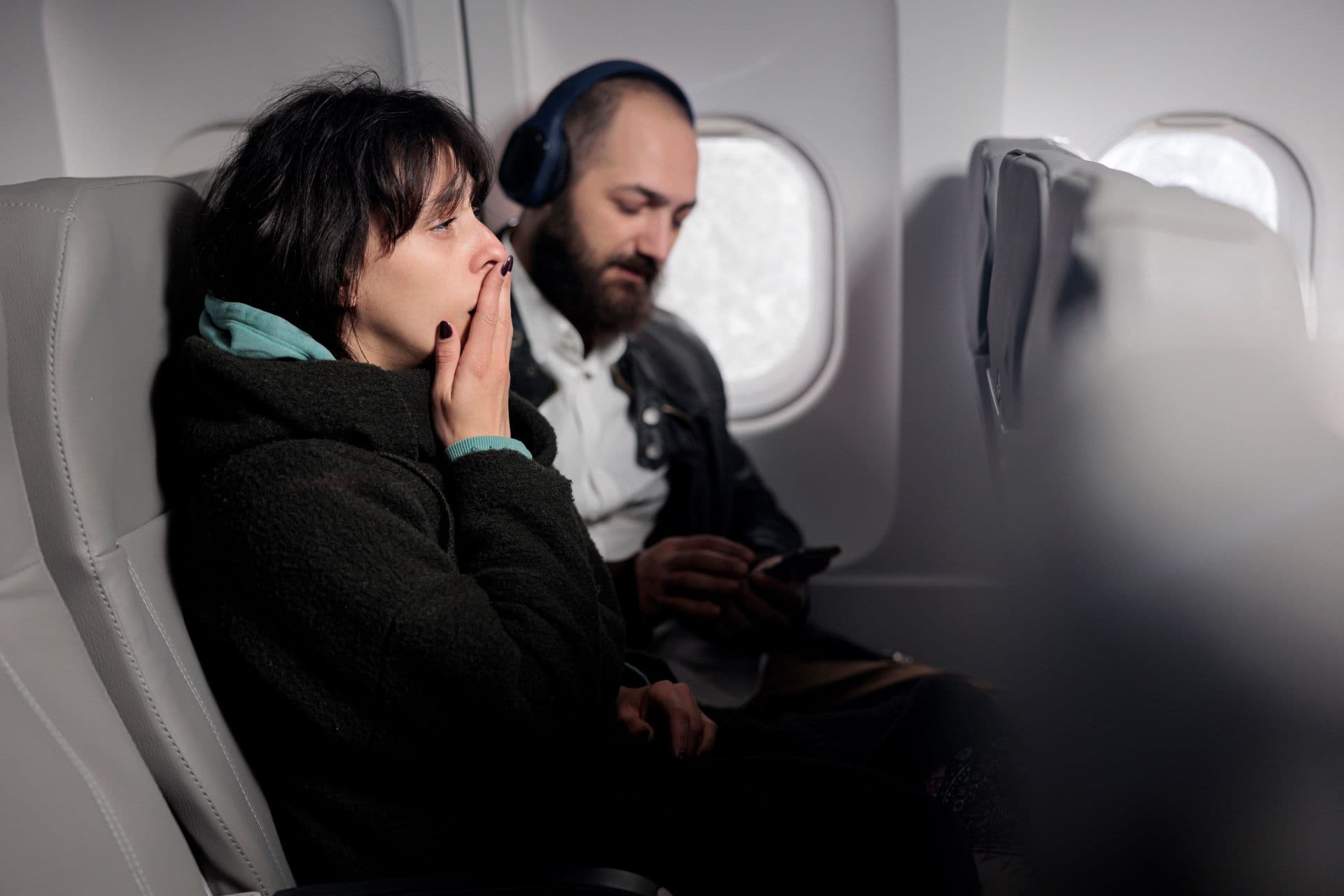
Long flights are wonderful portals to new landscapes, cultures and opportunities, but they carry a quiet biological toll that many travellers only recognise once they step off the aircraft and feel their body clock drifting like an untethered balloon in the night sky.
Jet lag happens when your internal circadian rhythm struggles to adjust to a new time zone after rapid long-distance travel. The body’s natural sleep-wake cycle, hormone release patterns and alertness levels are all synchronised to local daylight patterns. When you fly across multiple time zones, particularly on intercontinental airline routes, your brain is still living in the departure city while your body is standing in the arrival city, somewhat confused and slightly cranky.
In modern airline tourism, managing jet lag is not simply about comfort. It affects holiday enjoyment, business performance and even safety during travel activities. According to global aviation health discussions led by International Air Transport Association, passenger wellbeing during long-haul travel is becoming an increasingly important design consideration in international air transport.
For tourists flying from South Africa to European or Asian destinations, the time zone shift can be particularly challenging because journeys often cross multiple meridians within a single overnight flight.
Why Your Body Clock Gets Confused in the Sky
Your body is remarkably disciplined when left alone. It prefers waking up when the sun rises and preparing for sleep when darkness arrives. Jet travel disrupts this elegant biological choreography.
When you cross time zones quickly, your brain’s master clock, located in the hypothalamus, receives contradictory signals. The cabin lighting, meal schedule, and your personal habits may all say one thing, while the destination’s local time says another.
Airline cabins themselves contribute subtle influences. Pressurised environments, low humidity, continuous engine vibration and restricted movement all reduce sleep quality during long flights. Even if you manage to doze off, it may not be the restorative type of sleep your body needs.
The direction of travel also matters. Travelling eastward generally causes more severe jet lag than travelling westward because the body finds it easier to extend its day than shorten it. If you are flying from Johannesburg toward Asian destinations, you may experience stronger circadian resistance than when flying toward the Americas.
The Power of Pre-Flight Sleep Adjustment
One of the most underrated strategies in airline tourism is starting the jet lag battle before boarding the aircraft.
If you are travelling east, begin shifting your bedtime slightly earlier about three to four days before departure. Move sleep time forward by 20 to 40 minutes each night. If travelling west, do the opposite and delay sleep gradually.
This preparation allows your neurological rhythm to slide gently rather than snapping suddenly like a stretched elastic band released too quickly.
Avoid arriving at the airport already exhausted. Travellers sometimes believe that staying awake the night before will help them sleep on the plane, but extreme fatigue often worsens travel discomfort and increases dehydration risk during flights.
Instead, aim for a moderate level of natural tiredness. Think of it as preparing the body for a soft landing rather than a dramatic crash into sleep.
Mastering In-Flight Behaviour for Circadian Stability
Airline passengers spend many hours inside pressurised metal cylinders moving silently through the upper atmosphere, and this environment requires deliberate behavioural choices.
Hydration is the first rule. Cabin air tends to be dry, and dehydration intensifies fatigue and cognitive fog after landing. Drink water regularly and reduce alcohol and excessive caffeine consumption during flight. Alcohol may seem like a comforting companion for long journeys, but it disrupts sleep architecture and increases dehydration, which magnifies jet lag symptoms.
Movement is equally important. Walk down the aisle periodically, stretch your legs, and rotate your ankles and shoulders. Prolonged immobility slows circulation and contributes to post-flight lethargy.
When choosing whether to sleep on the plane, align your behaviour with the destination time rather than departure time. If it is nighttime at your destination, try to sleep during the flight. If it is daytime at your destination, remain awake even if the cabin lighting is dim.
Modern aircraft often use dynamic lighting systems to simulate sunrise and sunset cycles, subtly guiding passengers toward destination-appropriate alertness.
Sunlight Exposure: The Biological Reset Button
Natural light is one of the most powerful tools for synchronising circadian rhythm after travel.
Upon arrival, spending time outdoors during daylight hours helps recalibrate the brain’s internal clock. Sunlight stimulates receptors in the eyes that influence melatonin regulation, which in turn controls sleepiness and wakefulness.
If you arrive in a new country in the morning, resist the temptation to immediately retreat to a dark hotel room for a long nap. Instead, try gentle outdoor activity such as walking through a nearby park or exploring local streets.
For airline tourism travellers, sunlight exposure is especially effective because travel schedules often confine passengers to indoor environments for extended periods. Light becomes the language through which the brain relearns local time.
Night arrivals are slightly more complicated. If you land after sunset, limit bright screen exposure and prepare for sleep within a few hours to encourage rapid adaptation.
Smart Napping Strategies After Arrival
The urge to collapse onto a hotel bed after a long flight is powerful, but uncontrolled daytime sleeping can prolong jet lag symptoms.
If you must nap, keep it short. Twenty to thirty minutes is usually sufficient to refresh cognitive function without pushing the body deeper into misaligned sleep cycles.
Set an alarm if necessary. Think of the nap as a power-saving reboot rather than a full system shutdown.
Tourists often underestimate how tempting it is to oversleep on the first day of travel. However, staying awake until local nighttime helps accelerate rhythm alignment.
Meal Timing and Internal Rhythm Synchronisation
Food is another subtle conductor of biological harmony.
Try to eat meals according to the destination’s local schedule as soon as possible after landing. Even if you are not very hungry, small structured meals help signal the body that it has entered a new temporal environment.
Protein-rich breakfasts and moderate carbohydrate dinners are commonly recommended for supporting steady energy release throughout the day.
Some airline tourism health discussions also emphasise consistent meal timing during long stays abroad, because irregular eating schedules can confuse metabolic rhythm almost as much as irregular sleep.
Managing Jet Lag for Business and Leisure Travel
Business travellers often face additional pressure because meetings may begin shortly after arrival.
If you are travelling for work, arriving at least one full day earlier than important appointments can improve cognitive performance. Presentation quality, decision-making speed and communication clarity all decline when jet lag is severe.
Leisure tourists should allow themselves more flexible adaptation time. The first day after arrival is often best used for light exploration rather than intense itinerary schedules.
Remember that travel is not a race against biology. Tourism is about experiencing place, not defeating your own nervous system.
Technology and Medication Considerations
Some travellers explore melatonin supplements or specialised sleep aids, but these should be used cautiously and preferably under medical guidance.
Light exposure control applications and sleep scheduling apps can help monitor circadian alignment.
However, pharmaceutical or technological tools should never replace basic behavioural adjustments such as sunlight exposure, hydration and consistent sleep timing.
The aviation health community frequently advises that behavioural adaptation remains the primary defence against jet lag discomfort.
Flying Comfortably Across the World
Airline tourism continues to grow as global mobility increases. Long-distance flights are becoming routine experiences rather than rare adventures.
As aircraft technology improves and cabin design evolves, passenger wellbeing is slowly becoming a central focus of international travel planning.
The modern traveller is not just a passenger but a biological navigator moving through temporal oceans, learning to sail across hours as well as kilometres.
Jet lag is simply the shadow cast by speed itself. When humanity learned to fly across continents within a night, our bodies were invited to follow dreams faster than our internal clocks were built to run.
With thoughtful preparation, sunlight awareness and respectful sleep scheduling, travellers can arrive at their destinations feeling more like explorers stepping ashore than astronauts stumbling out of a temporal spacecraft.
Travel should expand life’s rhythm rather than fracture it, letting every journey feel like a well-timed breath between two distant horizons.