

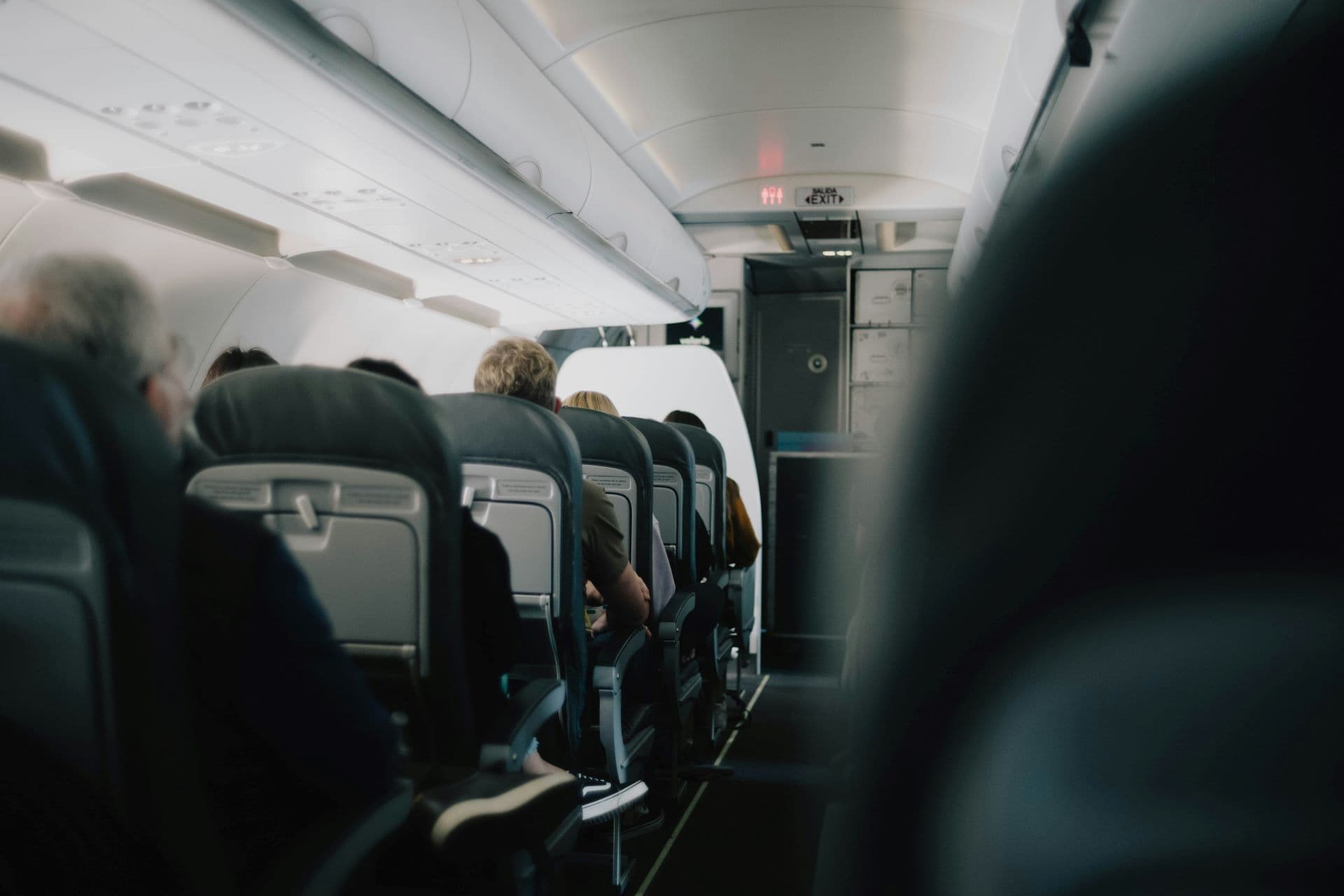
The quiet rise of the senior traveller in commercial aviation
Commercial air tourism is changing shape as populations age and mobility expectations evolve. More older adults are travelling than ever before, carrying with them decades of curiosity, savings, and the desire to experience the world without physical or logistical barriers slowing them down.
Airlines are beginning to recognise that senior passengers are not a niche market but a structural demographic force. As life expectancy improves and retirement lifestyles become more travel-oriented, aviation accessibility is moving from a regulatory obligation into a competitive advantage.
Senior travellers tend to value reliability, comfort, dignity, and clarity of service. Unlike younger leisure passengers who may prioritise price or speed, older passengers often evaluate the entire travel chain: booking, transport to airport, check-in, security screening, boarding, cabin comfort, and arrival assistance.
The future of commercial air tourism is therefore not only about faster aircraft or cheaper tickets. It is about designing flight experiences that allow ageing populations to move through the sky with confidence, independence, and calm dignity.
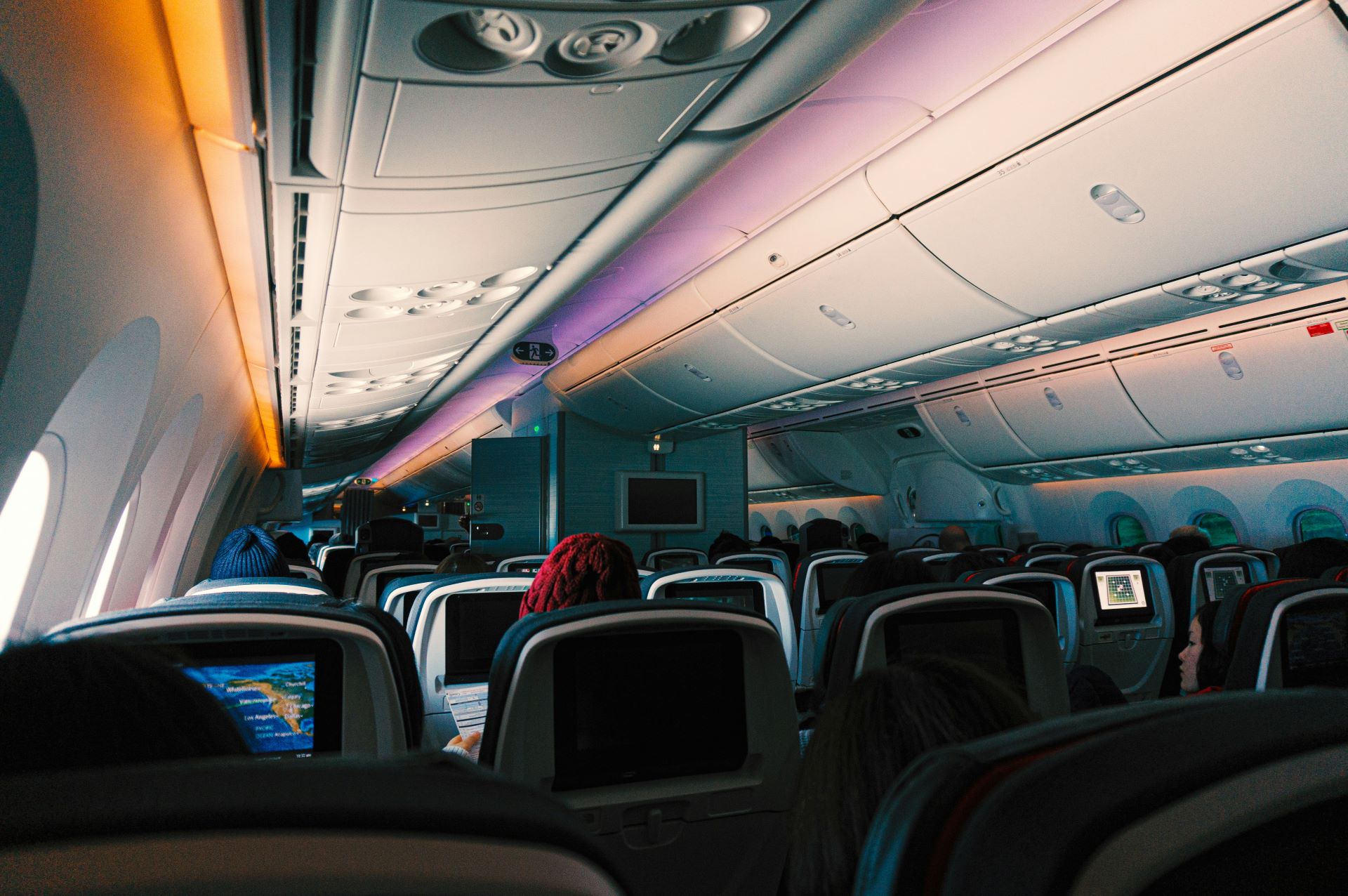
Demographic transformation and the growing senior travel market
Global population ageing is one of the most significant social shifts influencing tourism and transportation.
The modern senior traveller is different from previous generations. Many older adults today have higher disposable income, better health management, and stronger digital literacy than their counterparts of several decades ago. Retirement is no longer framed purely as withdrawal from productivity but as a transition into lifestyle exploration.
Airlines are observing increasing booking activity among passengers aged sixty and above, especially for long-haul leisure routes. These travellers often travel in family groups or pursue bucket-list tourism experiences.
For commercial aviation, this means accessibility is not charity infrastructure. It is market infrastructure.
Ageing passengers may experience reduced mobility, slower walking speed, reduced stamina for standing queues, and varying levels of sensory decline such as hearing or vision sensitivity.
These physiological changes do not imply travel limitation but instead signal design opportunities. Airports and airlines that proactively adapt will position themselves as preferred carriers for mature travellers seeking predictable comfort.
The economic impact is also substantial. Senior travellers often stay longer at destinations and are less constrained by school holiday schedules, creating smoother demand cycles for airlines operating outside peak family travel periods.
Boarding assistance: The gateway moment of travel dignity
Boarding is psychologically and physically the most sensitive phase of air travel for senior passengers.
The experience begins long before entering the aircraft. Airport distance from parking areas, availability of transport within terminals, and clarity of signage all contribute to travel fatigue.
Senior travellers benefit from structured assistance systems that reduce uncertainty.
Priority boarding programmes are particularly important. Allowing older passengers to board early reduces crowd pressure, minimises rushing, and gives them time to settle belongings without anxiety.
Wheelchair and mobility device coordination must be seamless rather than reactive. Ideally, mobility assistance should be booked digitally in advance but also be available as a rapid response service at the airport.
Airports that deploy dedicated assistance staff trained in patient communication tend to create stronger trust relationships with senior passengers.
The tone of interaction matters as much as mechanical assistance. Speaking slowly, confirming understanding, and maintaining eye contact helps passengers who may struggle with hearing or cognitive processing under noisy terminal conditions.
Another often overlooked factor is queue architecture.
Long, slow-moving queues can be exhausting for older passengers who may not have visible disabilities but still suffer from endurance limitations. Introducing resting zones near boarding gates, with seating that supports posture stability, can reduce travel fatigue before flight departure.
Cabin accessibility: Designing the airborne living room
The aircraft cabin is the core environment where accessibility meets engineering.
Seat design is central to senior passenger comfort. Older travellers often benefit from slightly higher seat cushions that reduce strain when standing up or sitting down.
Armrest stability is also important. Wider or more rigid armrests provide leverage support during movement transitions.
Lumbar support is valuable, especially on long-haul flights where prolonged sitting can aggravate back stiffness. Adjustable headrests help passengers maintain neck alignment during sleep or rest.
Seat pitch remains a controversial commercial variable. While airlines must balance capacity and revenue, even small increases in legroom allocation for accessibility zones can significantly improve senior passenger experience.
Some airlines are experimenting with dedicated accessibility seating clusters. These zones are usually positioned closer to lavatory facilities and flight attendant service stations.
Overhead storage design also influences accessibility. Senior travellers may have reduced upper-body strength, making heavy carry-on lifting risky.
Clear policies encouraging passengers to request assistance for luggage placement help prevent injuries that are often underreported but common in crowded boarding environments.
Lavatory accessibility inside commercial aircraft remains one of the greatest design challenges.
Aircraft bathrooms are traditionally compact due to structural constraints. However, grab bars, non-slip flooring, and easier door locking mechanisms can make a noticeable difference.
Future aircraft cabin development may explore modular interior layouts where accessibility pods can be adjusted depending on passenger demographic composition on specific routes.
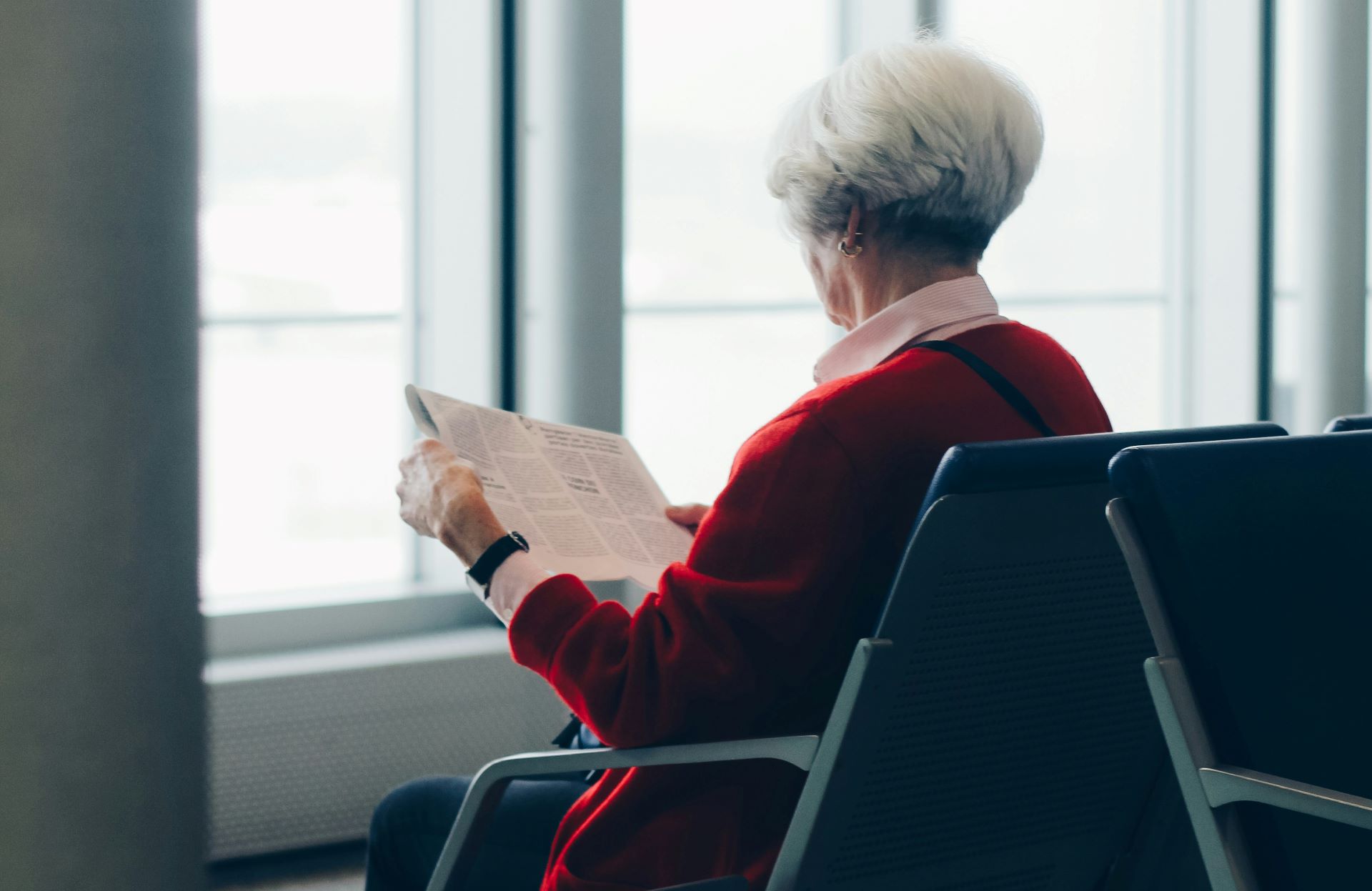
In-flight comfort: Managing the sensory environment of ageing bodies
The physiological experience of flying changes with age.
Cabin pressure, noise levels, temperature fluctuations, and air dryness can affect senior passengers more strongly than younger travellers.
Hydration support is essential. Older adults often have reduced thirst perception, which increases dehydration risk during long flights.
Flight attendants should be encouraged to offer water more frequently to senior passengers without waiting for requests.
Lighting design also plays a subtle role. Soft, adjustable lighting helps reduce eye strain for passengers who may experience age-related visual sensitivity.
Noise reduction technology, both at the aircraft engineering level and through cabin materials, improves sleep quality and reduces stress.
Temperature stability is particularly important. Older passengers sometimes experience poorer thermoregulation, meaning they may feel cold or hot faster than younger travellers.
Providing easily reachable blankets and allowing passengers to control personal air vents without assistance supports autonomy.
Meal service timing is another important accessibility component.
Senior travellers may have medication schedules that interact with meal timing. Clear communication about service windows allows passengers to plan medication intake safely.
Airlines that provide pre-ordering options for special dietary requirements improve travel comfort and reduce in-flight anxiety.
Mobility inside the cabin: Movement without disruption
Walking inside a moving aircraft requires balance stability that can be challenging for older adults.
Narrow aisles and unexpected turbulence can create safety risks.
Cabin crew assistance should be available when senior passengers need to move to lavatories or stretch their legs during long flights.
Handhold placement along aisle seat backs can offer micro-support points during movement.
Turbulence warning communication is particularly important. When pilots anticipate rough air pockets, notifying passengers early allows those with mobility difficulties to remain seated.
Some airlines are exploring vibration-reducing seat structures to mitigate turbulence discomfort.
Although full mechanical isolation from aircraft movement is not yet commercially feasible, incremental ergonomic improvements continue to shape the accessibility future.
Safety communication and emergency readiness
Emergency safety information is not always delivered in a senior-friendly format.
Complex visual diagrams or fast-paced verbal instructions may not be ideal for older passengers who process information more slowly.
Multimodal communication improves understanding. Safety instructions should ideally be available through a combination of printed material, video demonstrations, and verbal explanation.
Hearing impairment is common among ageing populations. Airlines should ensure that safety announcements are delivered at frequencies that remain clear across age-related hearing spectrum changes.
Emergency evacuation procedures must consider mobility diversity.
While safety standards require rapid evacuation capability, practical training for crew members should include assisting slower-moving passengers without compromising overall safety timelines.
The ethical challenge lies in balancing universal safety speed requirements with compassionate passenger assistance.
Technology as an accessibility amplifier
Digital transformation is quietly reshaping senior travel experiences.
Mobile applications that offer simplified interface modes can help older travellers manage bookings, boarding passes, and flight updates.
Large font options, voice navigation, and high-contrast display settings reduce cognitive load during travel planning.
Some senior travellers prefer human interaction over digital systems, however, so hybrid service models are essential.
Self-service kiosks remain useful but should always be supported by visible staff assistance.
Biometric identification technologies are also reducing the need for repetitive document handling, which benefits passengers with arthritis or limited hand dexterity.
Future aviation ecosystems may integrate wearable health monitoring devices that allow voluntary sharing of basic physiological data to improve safety response during flight.
Privacy protection must remain central when designing such systems.
The role of airline staff training
Crew behaviour often defines accessibility quality more than physical infrastructure.
Senior passengers value patience, respectful communication, and proactive assistance.
Training programmes should include awareness of age-related cognitive slowing, hearing loss communication strategies, and mobility support etiquette.
Staff should be trained not to assume incompetence when a passenger moves more slowly or asks repeated questions.
Respectful independence is the goal. Assistance should be offered, not imposed.
Airlines that cultivate a culture of dignified care tend to see stronger brand loyalty among older travellers and family groups travelling with them.
Commercial opportunity and competitive differentiation
Accessibility investment is not merely a social responsibility exercise.
It is a strategic commercial positioning tool in the global aviation market.
Airlines that become known for senior traveller comfort can capture long-duration tourism routes where older passengers dominate demand.
Premium economy and mid-tier cabin classes are particularly relevant for this market segment.
Senior travellers are often willing to pay moderate price premiums for predictable comfort and service reliability.
Travel insurance partnerships also represent a growing commercial field.
Medical coverage, emergency evacuation insurance, and travel assistance packages designed specifically for older passengers create ecosystem revenue streams.
The future of senior air tourism
The next generation of aircraft design may treat accessibility as a primary structural parameter rather than a secondary retrofit.
Aircraft interiors could evolve toward adaptive modular cabins that respond to passenger demographic profiles before each flight.
Artificial intelligence may assist cabin crew by predicting passenger assistance needs based on booking data and real-time behavioural signals.
However, technology alone will never replace the human warmth that defines truly accessible travel.
Senior travellers are not seeking special treatment in the sense of separation. They are seeking inclusion inside the grand moving theatre of aviation where clouds pass like slow white continents beneath winged cities of aluminium and light.
Air tourism should remain an invitation rather than an obstacle course.
As the world grows older, the sky must grow kinder. Commercial aviation’s next competitive frontier is not speed, but the art of helping passengers age gracefully while still feeling young enough to chase the horizon.