

How South Africa’s Changing Airline Market Is Shaping Flight Choices for Travellers
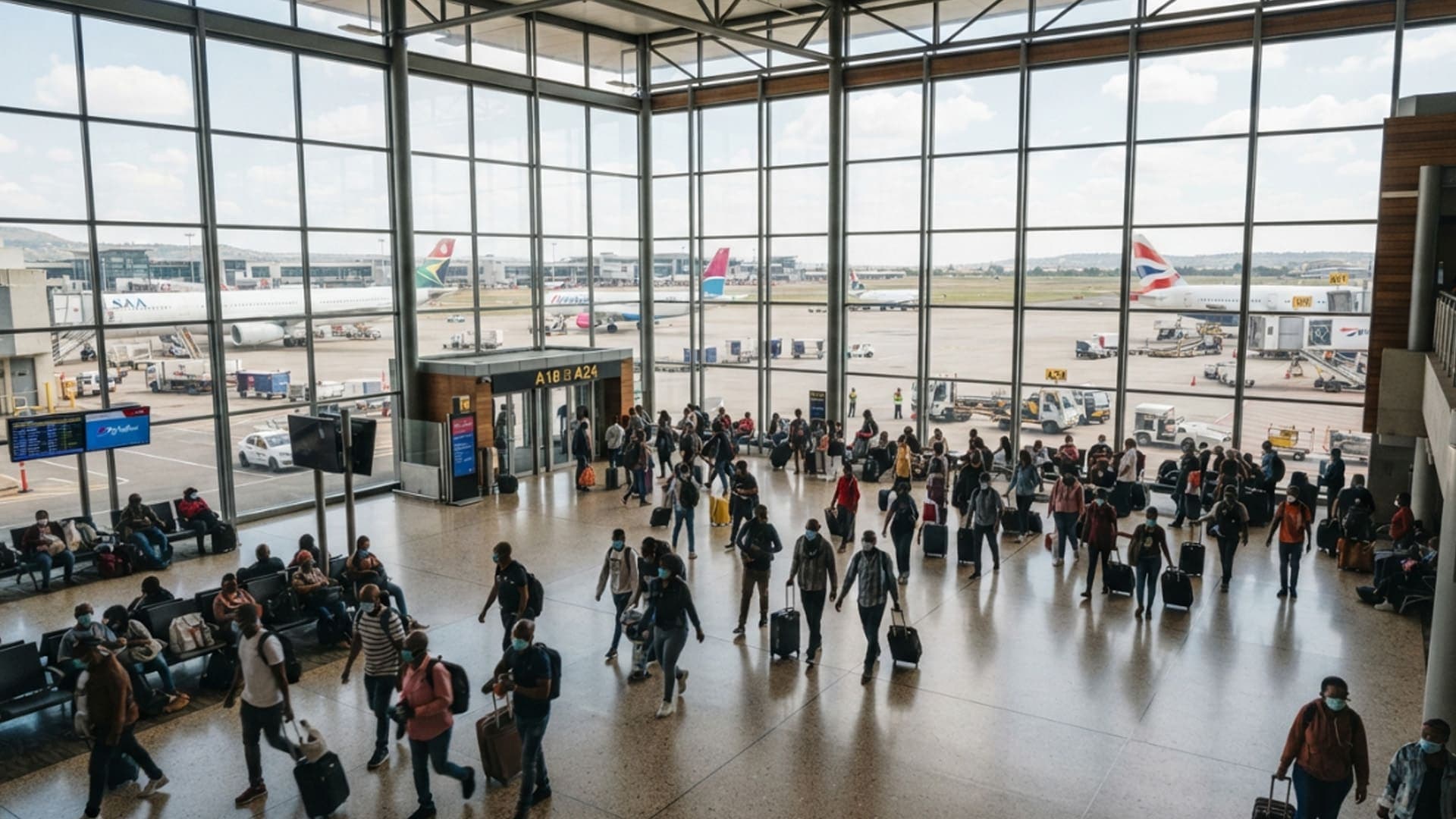
South Africa’s airline market has changed considerably in recent years. Travellers now have more ways to search, compare and book flights, while airlines are working to balance demand, operating costs, route availability and passenger expectations. For people booking a domestic or international ticket, these changes affect more than the fare displayed on the first search page.
A flight choice is influenced by the number of seats available on a route, the time of year, airport capacity, fuel costs, aircraft availability and competition between airlines. This means fares can change quickly, especially on busy routes between Johannesburg, Cape Town, Durban and Gqeberha. International travel is affected by many of the same factors, alongside exchange rates, global demand and airline route planning.
For travellers, understanding the market can make booking easier. It helps explain why one flight is cheaper than another, why some routes have limited departure times and why the lowest fare is not always the best option for the full journey.
More Competition Creates More Choice, but Not Always Lower Prices
Competition is one of the biggest forces shaping airline tickets in South Africa. When several airlines operate the same route, travellers can compare departure times, fare types, baggage allowances and service options. This gives passengers more choice and encourages airlines to compete for bookings.
However, competition does not automatically mean every fare will be low. Airlines still need to cover fuel, maintenance, airport charges, staff, aircraft leases and other operating costs. On popular routes, fares may rise when flights are filling quickly, even if several airlines are operating services.
The best opportunity for travellers is the ability to compare. Instead of choosing the first available flight, passengers can look at different times of day, alternative airports and fare conditions before booking. A slightly later flight may cost less, while a more expensive fare may include luggage that would otherwise need to be added separately.
Domestic Routes Remain Important for Business and Leisure Travel
Domestic travel remains a major part of the South African airline market. Johannesburg, Cape Town and Durban continue to be key travel hubs for business trips, family visits, holidays, conferences and events.
Routes between these cities often have multiple flights each day, giving travellers flexibility when planning short trips. Morning flights can be useful for business travellers, while midday or evening services may suit leisure passengers. The range of options is valuable, but demand can still push prices higher around school holidays, long weekends and the December festive season.
Travellers who can adjust their dates by a day or two may find better value. Midweek flights are often worth comparing against Friday and Sunday services, especially for weekend trips. The same approach applies to departure times, as early-morning or later-evening flights can sometimes offer a different price point.
Regional Routes Need Careful Planning
Not every route has the same level of competition. Flights to smaller regional airports may operate less frequently, which can make timing more important. If a route only has one or two daily departures, a cancelled or delayed service can also have a larger effect on a traveller’s plans.
For regional travel, booking early is often helpful because there may be fewer seats available overall. Travellers should also consider whether flying into a larger nearby airport and continuing by road is practical, although this only makes sense when the time and transport costs are reasonable.
A good booking decision considers the full journey. A lower fare to a more distant airport may not offer real value if it creates a long transfer, expensive car hire or an inconvenient arrival time.
Airline Capacity Has a Direct Effect on Ticket Prices
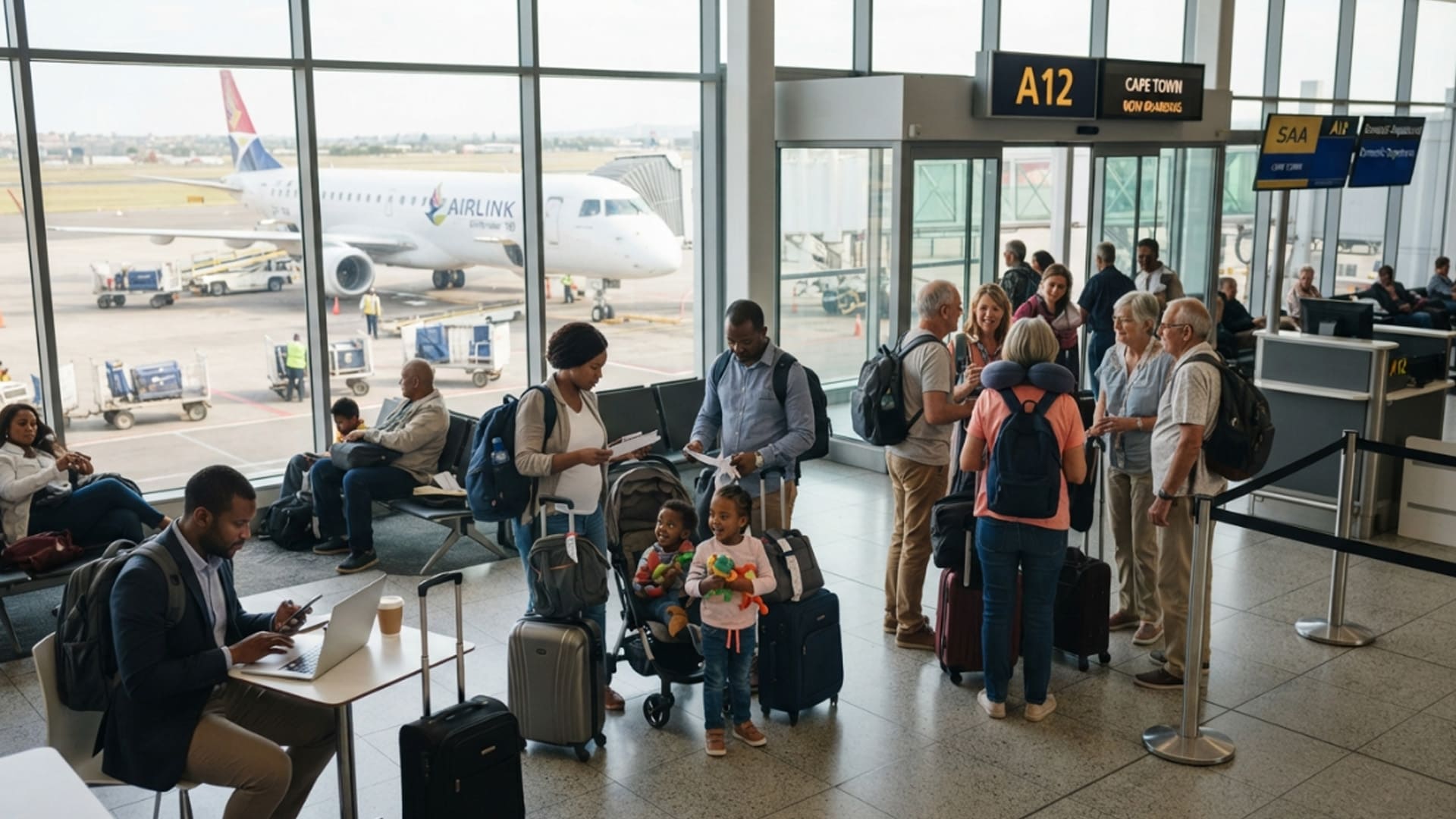
Capacity refers to the number of seats airlines make available on a route. When more flights and aircraft are available, travellers may have a wider choice of times and fares. When capacity is limited, tickets can become more expensive as flights fill up.
Airlines adjust capacity according to demand. During peak travel periods, they may add flights or use larger aircraft where possible. During quieter periods, schedules may be reduced to match the number of passengers travelling. These decisions affect how easy it is to find a convenient ticket at a lower price.
Capacity is also affected by aircraft maintenance, fleet planning and operational disruptions. Even when demand is strong, an airline may not be able to add more flights immediately if aircraft are unavailable or airport slots are limited.
Why Popular Dates Cost More
The most expensive travel periods are usually the times when many people want to fly at once. School holidays, Easter, long weekends and year-end holidays bring strong demand, particularly on routes connecting major cities and holiday destinations.
Airlines use pricing systems that adjust fares as seats are sold. The lower fare categories are usually limited, so travellers booking later may only see higher-priced tickets remaining. This is why booking early can be useful when travel dates are fixed.
For travellers with flexibility, the best strategy is often to compare nearby dates before committing. Leaving one day earlier or returning one day later can sometimes create a noticeable difference in the total fare.
The Value of Flexible Fare Options
A standard ticket may be suitable when travel plans are certain. However, travellers attending events, planning business meetings or booking around uncertain schedules may benefit from a fare that allows changes.
Flexible fares often cost more upfront, but they can reduce the risk of losing the full value of a ticket if plans change. The important step is to compare the change rules carefully. Some fares allow changes with a fee, while others may require payment of both a fee and the difference in fare.
The right option depends on the trip. A low-cost fare may work well for a simple weekend getaway, while a more flexible ticket can make sense for travel connected to work, family responsibilities or international connections.

Technology Is Making Airline Ticket Searches More Transparent
Travel technology has made it easier for passengers to compare flights before booking. Search tools can show different airlines, departure times, airports and fare types in one place. This gives travellers a clearer picture of what they are buying.
The most useful tools do more than show the lowest base fare. They also help travellers see baggage allowances, seat options, change conditions and the total cost after extras are added. This is especially important because a low headline price may not include checked luggage or other services that a traveller needs.
Mobile booking has also made travel planning more immediate. Passengers can receive confirmations, check in online, store boarding passes and receive flight updates through airline apps or booking platforms.
Price Alerts Help Travellers Track Fares
Price alerts are useful for travellers who are planning ahead but have not yet decided when to book. Instead of checking the same route repeatedly, they can receive notifications when fares change.
Alerts are most helpful when dates are flexible. A traveller may see that a Tuesday departure is lower than a Friday flight, or that fares are increasing as a busy period approaches. The alert does not guarantee a lower price, but it can make it easier to monitor the market.
For fixed travel during a peak period, it is usually safer to book once a suitable fare is found. Waiting for a major price drop can be risky when the route is busy and lower fare categories are already selling out.
Digital Check-In and Live Updates Improve the Travel Day
Technology also helps after the ticket has been purchased. Digital check-in allows passengers to confirm their booking and receive a boarding pass before arriving at the airport. This can save time, especially for travellers with cabin luggage only.
Live flight updates can be valuable when a gate changes, a departure is delayed or a schedule is adjusted. Travellers can update airport transfers, notify colleagues or make alternative arrangements earlier than they could in the past.
Passengers should still check official airline communication before travelling, especially during disruption. A travel app is useful, but the airline’s own website, app or customer-service channel is usually the best source for final operational information.

Operating Costs Continue to Shape Airline Fares
Airlines face significant costs before a passenger boards a flight. Fuel is one of the most visible, but it is only part of the picture. Aircraft maintenance, insurance, airport charges, staff, navigation services and currency movements can all affect the cost of operating a route.
When costs rise, airlines may adjust fares, reduce less profitable services or review schedules. These changes are not always immediately visible to travellers, but they can influence the price and availability of tickets over time.
This is one reason why comparing the full value of a flight matters. A ticket price reflects more than the distance between two airports. It also reflects the wider operational environment that allows the flight to operate safely and reliably.
Baggage and Extras Should Be Compared Before Payment
Baggage is one of the most important details to check when comparing airline tickets. Some fares include only a cabin bag, while others include checked luggage. A traveller taking a short trip may be able to pack lightly and save money, but a family or longer-stay traveller may need a more inclusive fare.
Seat selection, priority boarding and travel insurance are also optional extras that can change the total cost. They should be chosen based on the needs of the journey rather than added automatically.
Before payment, review the fare summary carefully. Confirm the baggage allowance, departure airport, arrival airport, travel dates and passenger names. A few minutes of checking can prevent expensive changes later.
Airport Access Is Part of the Real Cost
The ticket is only one part of the travel budget. Parking, ride-hailing, shuttle services, fuel and time spent travelling to the airport should also be considered.
For Gauteng travellers, comparing flights from O. R. Tambo International Airport and Lanseria International Airport can be useful. The best choice depends on where the traveller is starting from, the available flight times and the cost of getting to the airport.
A slightly higher airfare may still be the better choice if it reduces a long transfer or makes the travel day easier. Looking at the full door-to-door journey gives a more realistic view of value.

What Travellers Can Expect From the Airline Market
South Africa’s airline market will continue to respond to demand, operational costs and changing traveller expectations. Passengers are likely to see more digital tools, clearer booking journeys and continued competition on key domestic routes.
At the same time, travel will remain sensitive to factors outside any traveller’s control. Weather, fuel prices, airport operations and global aviation conditions can all influence schedules and fares.
The most practical approach is to book with enough time to compare options, understand what each fare includes and choose a flight that supports the full trip. A good ticket is not always the cheapest one on the screen. It is the one that gets you to the right destination, at the right time, with the flexibility and baggage allowance you need.