

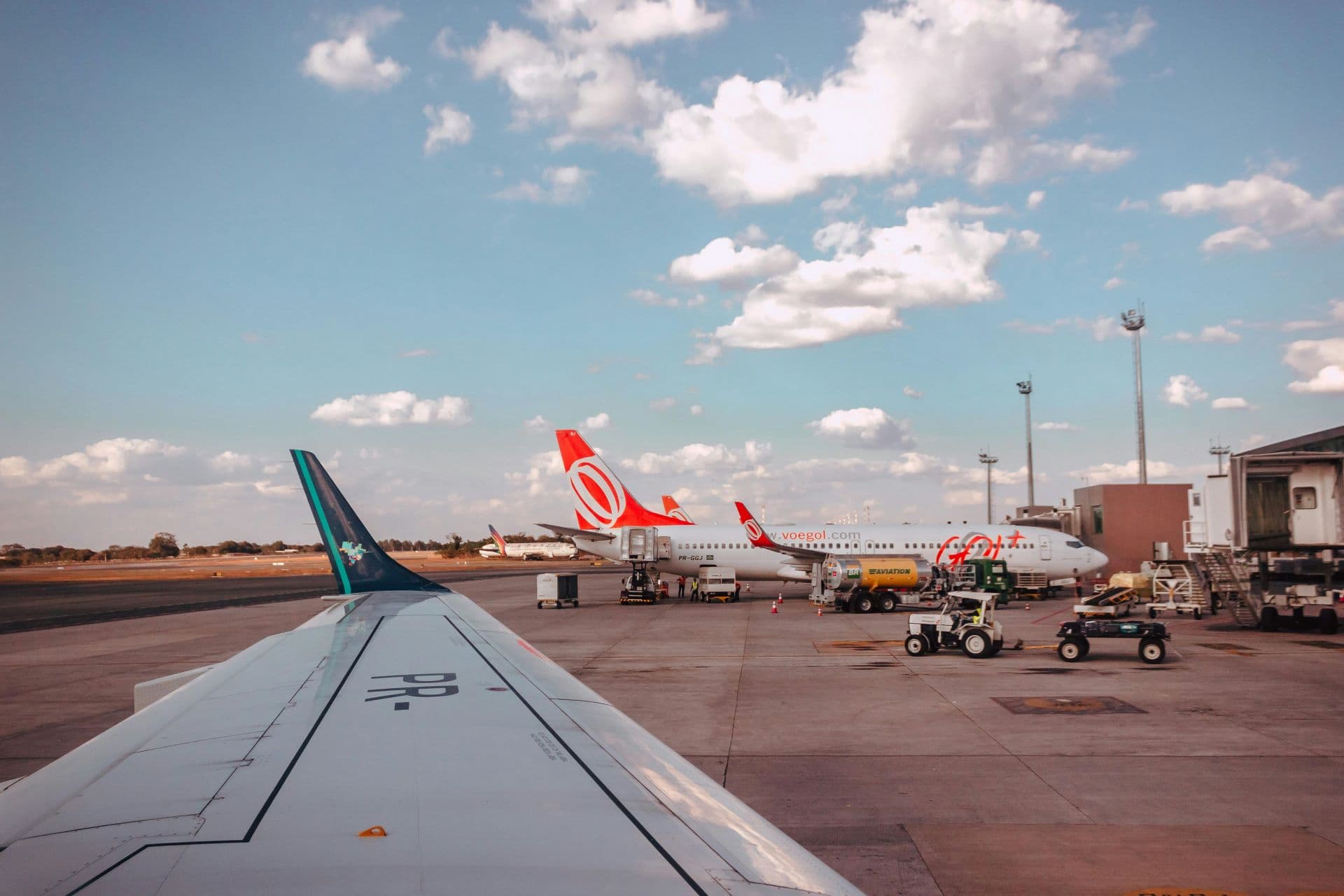
Airports are more than transport hubs. They are the first handshake between a country and its visitors, the opening chapter of a journey that often determines how the rest of the story will feel. For airline tourism in particular, infrastructure is not a background detail. It is the foundation that shapes capacity, connectivity, comfort and ultimately a destination’s competitiveness.
Runway length dictates which aircraft can land. Terminal design influences how quickly and comfortably passengers move from aircraft to arrival hall. Apron space, baggage systems and security layouts affect everything from turnaround times to airline scheduling decisions. When these elements work in harmony, tourism flourishes. When they strain under pressure, the visitor experience erodes and growth stalls.
Across major global gateways such as Singapore Changi Airport and Dubai International Airport, infrastructure investment has been deliberately aligned with tourism strategy. Closer to home, Cape Town International Airport and O. R. Tambo International Airport illustrate how upgrades and expansion projects can unlock new air routes and visitor flows. The link between tarmac and tourism is direct, measurable and strategic.
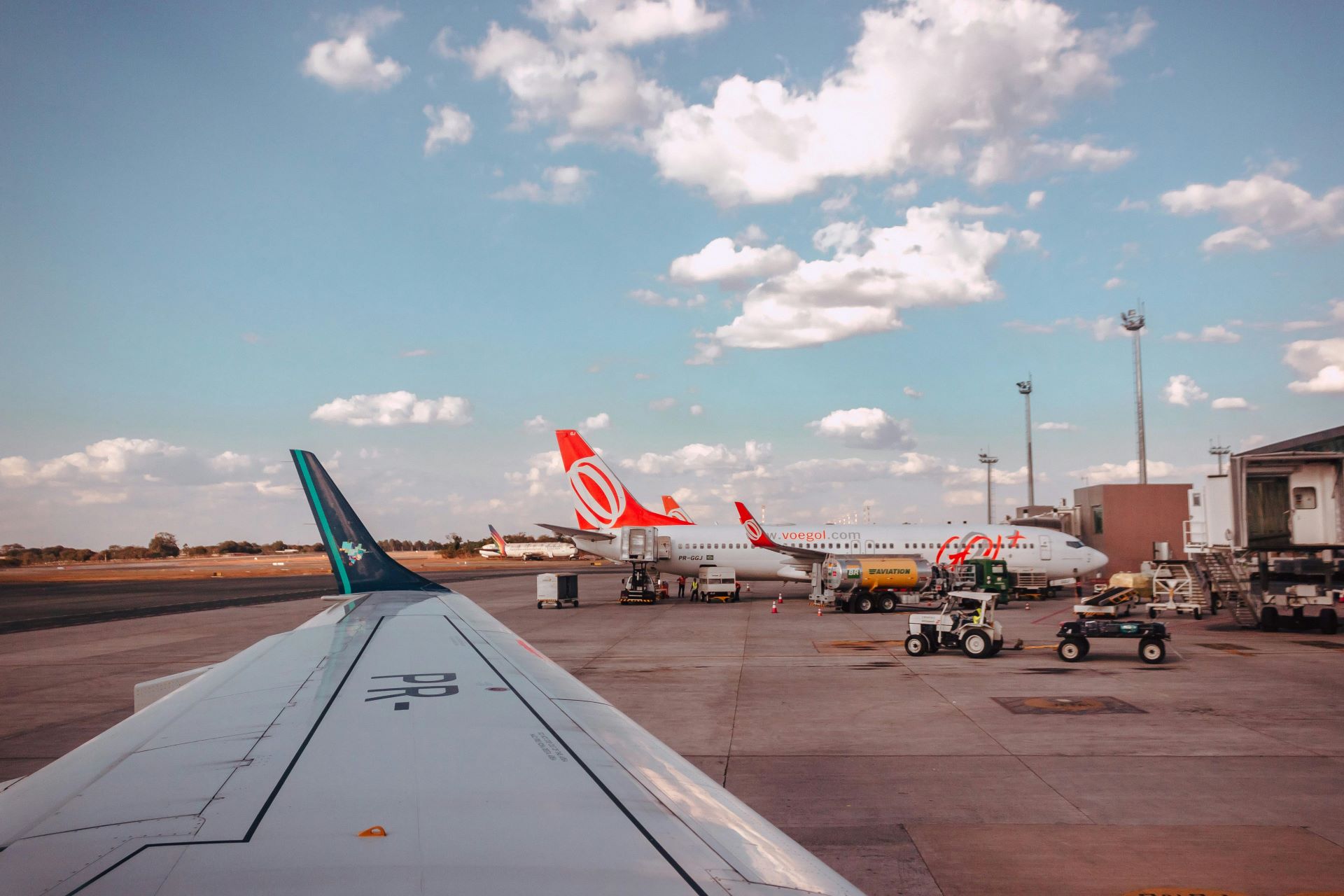
Runway Length as a Gateway to Long Haul Markets
Runways are rarely discussed outside aviation circles, yet they are decisive in shaping tourism potential. The length and strength of a runway determine which aircraft types can operate safely, especially under hot and high conditions or with heavy fuel loads required for long haul flights.
Ultra long haul aircraft such as the Airbus A350 and the Boeing 787 Dreamliner require sufficient runway distance to take off at maximum weight. Without it, airlines face payload restrictions that limit passenger numbers or cargo capacity. In some cases, routes are simply not viable.
For tourism authorities seeking direct connectivity from high value markets in Europe, North America or Asia, runway capability becomes a commercial argument. A destination with a shorter runway may be confined to regional narrow body traffic, while an airport with extended runways can accommodate intercontinental services. Direct flights reduce travel time, eliminate inconvenient transfers and improve the overall attractiveness of the destination.
Capacity, Frequency and Airline Confidence
Infrastructure signals confidence to airlines. When carriers assess new routes, they examine not only passenger demand but also slot availability, taxiway efficiency and terminal throughput capacity. Congested airports introduce operational risk. Delays ripple across networks and erode profitability.
Expanded runways and additional taxiways reduce bottlenecks. Increased gate capacity allows more simultaneous arrivals and departures. Modern air traffic management systems enhance sequencing and reduce holding patterns. Together, these elements create a reliable operating environment.
Airlines are more likely to commit aircraft and marketing budgets to destinations where infrastructure supports consistent performance. That commitment translates into increased seat capacity, higher frequencies and competitive fares. Tourism benefits through improved accessibility and price elasticity.
Terminal Design and the Psychology of Arrival
The terminal is where infrastructure becomes human. Architecture, layout and wayfinding shape first impressions in ways that are both emotional and practical. A cramped arrival hall communicates strain. A bright, intuitive terminal suggests efficiency and welcome.
Modern terminal design prioritises passenger flow. Clear sightlines guide travellers from disembarkation to immigration. Automated border control gates reduce queues. Baggage systems designed for high throughput prevent overcrowding around carousels.
When these systems function smoothly, visitor stress declines. That matters. Leisure travellers begin forming opinions the moment they step off the aircraft. Business visitors measure efficiency against global standards. If arrival is seamless, the destination earns goodwill before a hotel check in even occurs.
Airports such as Heathrow Airport have invested heavily in terminal upgrades to enhance passenger experience while managing high volumes. The interplay between scale and service demonstrates that capacity does not have to come at the cost of comfort.
Airside Infrastructure and Turnaround Times
Tourism growth depends on aircraft utilisation. The faster an aircraft can land, disembark passengers, refuel, board and depart, the more efficiently airlines can operate their fleets. Apron design, jet bridge availability and ground handling coordination all contribute to turnaround performance.
Airports with adequate stands for wide body aircraft can host multiple long haul arrivals simultaneously. This capability is particularly important during peak tourism seasons when charter and scheduled flights converge. Insufficient stands force aircraft to park remotely, increasing bus transfers and prolonging processing times.
Efficient ground operations shorten turnaround times and enable tighter scheduling. Airlines benefit through higher aircraft productivity. Passengers benefit through punctual departures. Destinations benefit through increased route viability and expanded seasonal capacity.
Security, Technology and Throughput
Security screening is a visible interface between infrastructure and passenger experience. Outdated equipment and poorly configured lanes create queues that erode satisfaction. Modern screening systems with computed tomography scanners and automated tray returns increase throughput without compromising safety.
Digital infrastructure plays an equally significant role. Self service check in kiosks, biometric boarding and integrated baggage tracking systems reduce friction. Data analytics allow airport operators to forecast peak flows and allocate resources dynamically.
In high performing tourism markets, technology investment is aligned with passenger growth projections. This proactive approach prevents infrastructure from becoming a constraint. Instead, it acts as an enabler.

Retail, Hospitality and Non Aeronautical Revenue
Airports are commercial ecosystems. Terminal design influences dwell time, retail exposure and hospitality offerings. Well designed commercial areas generate non aeronautical revenue that can be reinvested into infrastructure upgrades.
For tourism authorities, this matters because financially resilient airports can fund expansions without excessive increases in landing fees. Competitive airport charges help airlines maintain attractive fare structures, supporting inbound tourism growth.
Beyond revenue, retail and dining shape perception. A curated mix of local brands and international names communicates identity. Visitors encounter regional products, cuisine and culture before leaving the terminal. The airport becomes an extension of the destination’s tourism narrative.
Sustainability and Long Term Competitiveness
Environmental performance increasingly influences airline and traveller decisions. Infrastructure upgrades that incorporate energy efficiency, renewable power generation and sustainable materials enhance reputation and reduce operational costs.
Airports investing in carbon reduction initiatives align with broader tourism sustainability goals. Eco conscious travellers and corporate clients scrutinise environmental credentials. Sustainable infrastructure can therefore become a competitive differentiator.
Runway resurfacing with durable materials reduces maintenance downtime. Energy efficient terminal systems lower operating expenses. Over time, these savings can be redirected toward service improvements and capacity expansion.
Regional Airports and Distributed Tourism
While major hubs attract headlines, regional airport infrastructure plays a crucial role in dispersing tourism. Upgraded runways and modest terminal enhancements can open secondary destinations to direct services from key markets.
Point to point connectivity reduces pressure on primary gateways and spreads economic benefits across wider regions. Visitors gain easier access to coastal towns, heritage sites and nature reserves without transiting through congested hubs.
For emerging tourism regions, incremental infrastructure investment often yields disproportionate returns. A runway extension enabling narrow body jet operations can transform accessibility and stimulate hotel development, tour operations and local employment.
Resilience, Redundancy and Crisis Response
Infrastructure resilience has become a strategic priority. Weather events, technical failures or health crises can disrupt travel flows. Airports designed with redundancy in power supply, data systems and passenger processing areas recover more quickly.
For tourism economies reliant on air connectivity, resilience safeguards revenue streams. A well planned expansion that incorporates flexible spaces can adapt to fluctuating demand. Temporary partitions, scalable security lanes and adaptable boarding gates allow airports to respond to seasonal peaks or unexpected surges.
Future Proofing Through Master Planning
Airport development is capital intensive and long term. Master plans typically span decades, aligning phased expansions with projected passenger growth. Runway additions, terminal expansions and ground transport links must integrate coherently.
Tourism authorities and airport operators benefit from collaborative forecasting. When visitor growth targets inform infrastructure timelines, capacity constraints can be anticipated rather than reacted to. This alignment reduces the risk of stalled routes or overcrowded facilities.
Strategic infrastructure planning also signals ambition. Airlines evaluate not only current capacity but also future expansion potential. An airport with clear development phases conveys commitment to sustained growth.
Ground Connectivity and the Extended Journey
Visitor experience does not end at the arrivals hall. Efficient ground transport connections amplify the benefits of airside infrastructure. Rail links, bus terminals and road networks integrated into airport design reduce transfer times to city centres and resort areas.
Airports such as Hong Kong International Airport exemplify seamless integration between aviation and ground transport. For tourism markets seeking to maximise convenience, this integration becomes a strategic advantage.
When visitors move effortlessly from aircraft to hotel district, satisfaction rises. Positive first impressions translate into favourable reviews and repeat visits.
The Multiplier Effect on Tourism Economies
Airport infrastructure upgrades generate direct and indirect economic effects. Construction activity creates employment. Enhanced connectivity stimulates hotel occupancy, conference bookings and tour operations. Airlines increase crew bases and maintenance contracts.
Tourism growth fuelled by improved air access contributes to national branding and foreign exchange earnings. In competitive global markets, destinations with efficient, scalable airports position themselves to capture shifting travel demand.
Infrastructure is therefore not merely operational. It is strategic. It shapes airline network decisions, influences traveller perception and determines how effectively a destination can capitalise on emerging tourism trends.
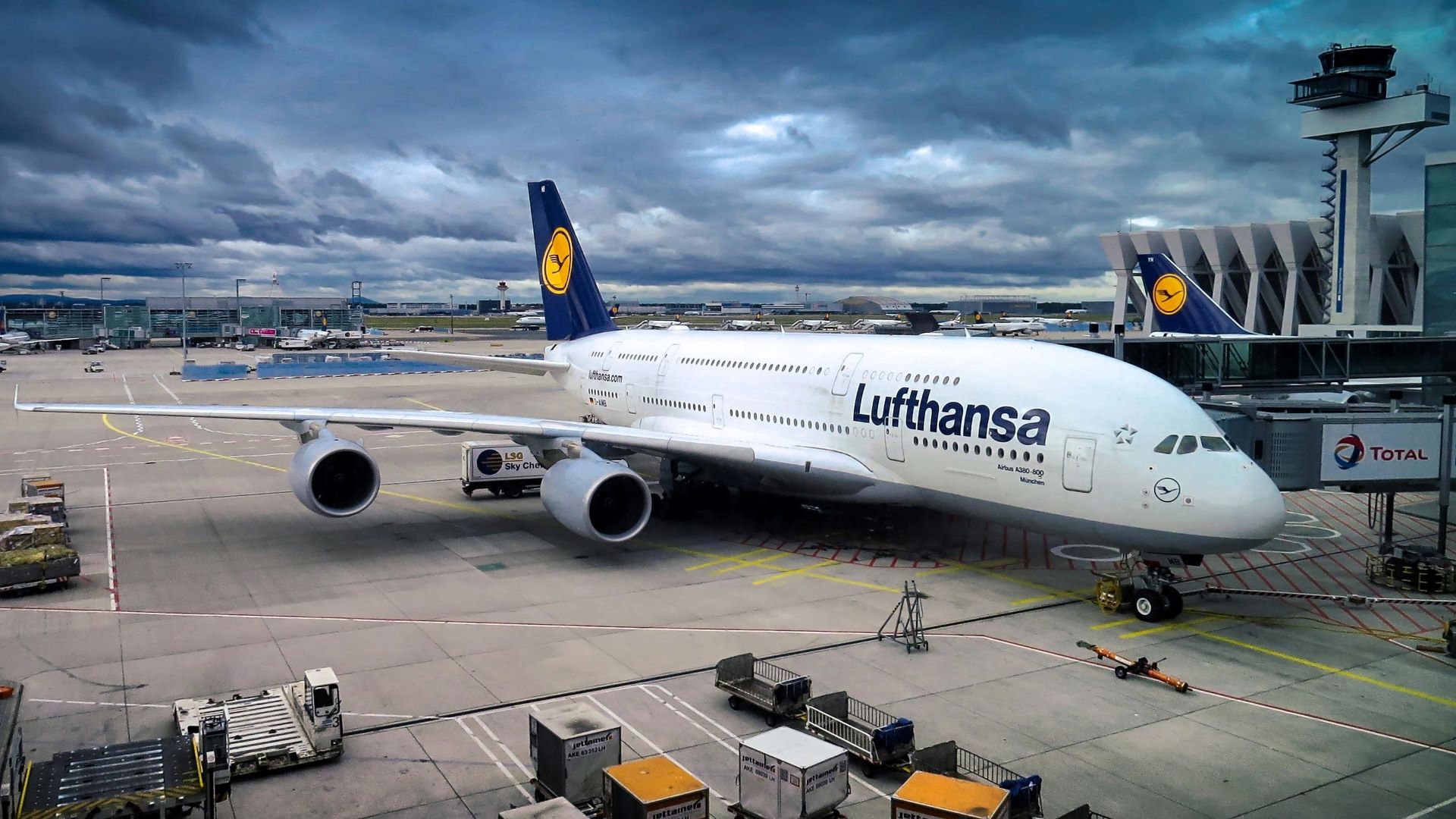
Runway length determines reach. Terminal design shapes comfort. Airside efficiency influences airline confidence. Technology enhances throughput. Sustainability secures long term competitiveness. Together, these elements form the structural backbone of airline tourism.
When airports invest in expansion and modernisation aligned with tourism objectives, they transform from transit points into catalysts of growth. The visitor experience improves at every stage, from touchdown to departure. Airlines gain operational certainty. Destinations gain connectivity, resilience and revenue.
In an era where travellers compare experiences across continents, infrastructure is no longer invisible. It is integral to how destinations compete, welcome and thrive.
SEO friendly tags: airport infrastructure, runway length, terminal design, airline tourism, airport upgrades, tourism growth, airport capacity, aviation infrastructure, passenger experience, airport expansion, air connectivity, tourism development, international airports, airport terminal planning, airline route development