

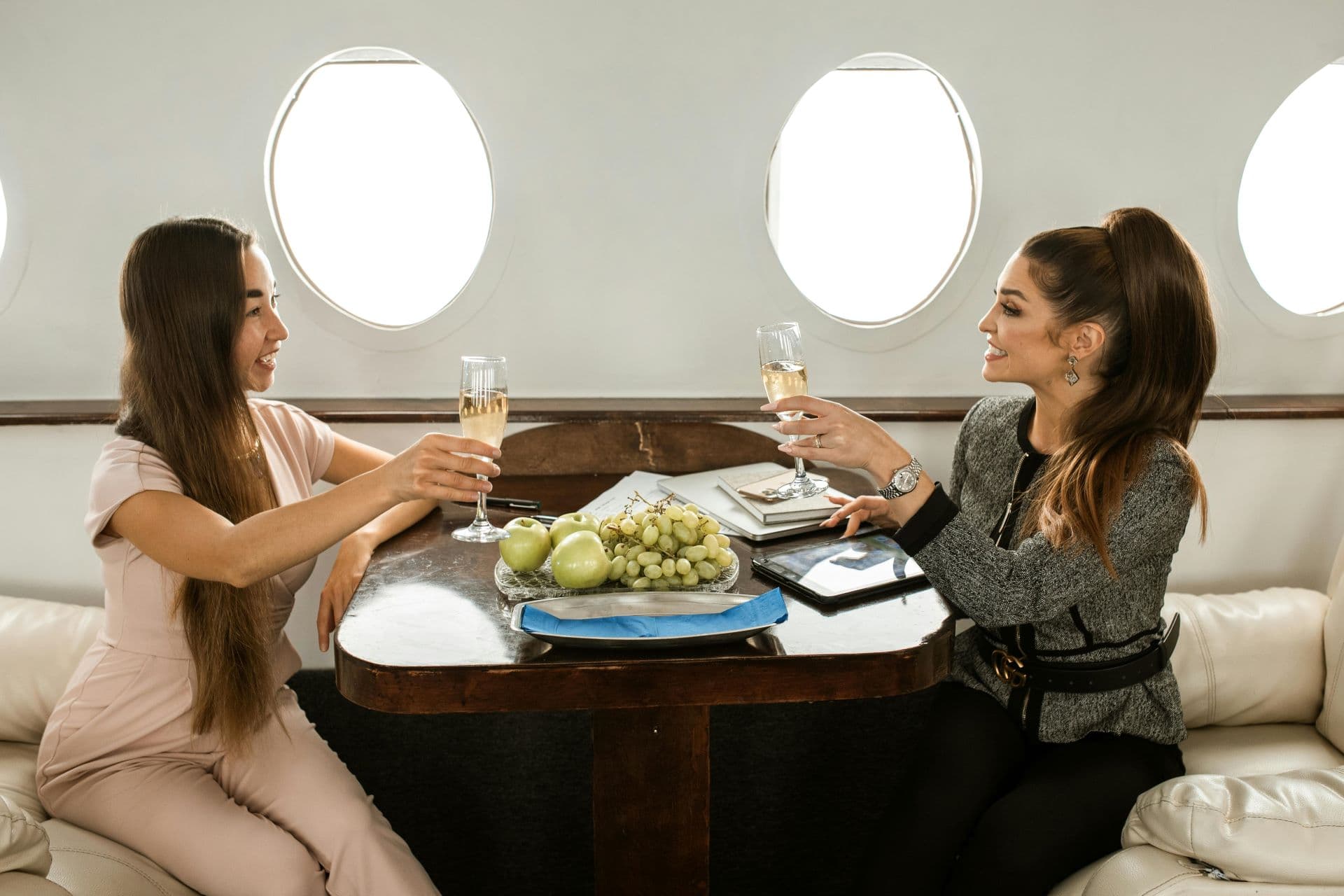
Dining at 35,000 Feet
The modern premium traveler no longer measures a flight by seat comfort or Wi-Fi speed alone. Today, the palate is king. Airlines across the globe are transforming the skies into haute cuisine theaters, where every bite tells a story, every plate is a canvas, and every journey is a taste journey in itself.
Gourmet in-flight dining has evolved from a luxury fringe perk into a key differentiator for carriers vying for the attention of discerning passengers. With Michelin-starred chefs collaborating with airline culinary teams, meticulously sourced ingredients, and innovative preparation methods adapted to the challenges of high-altitude cooking, in-flight dining is redefining what it means to travel in style.
From Tokyo to Johannesburg, London to Dubai, the quest to elevate meals above the clouds has intensified. Passengers now expect more than edible sustenance—they expect an experience that rivals the finest restaurants on the ground.
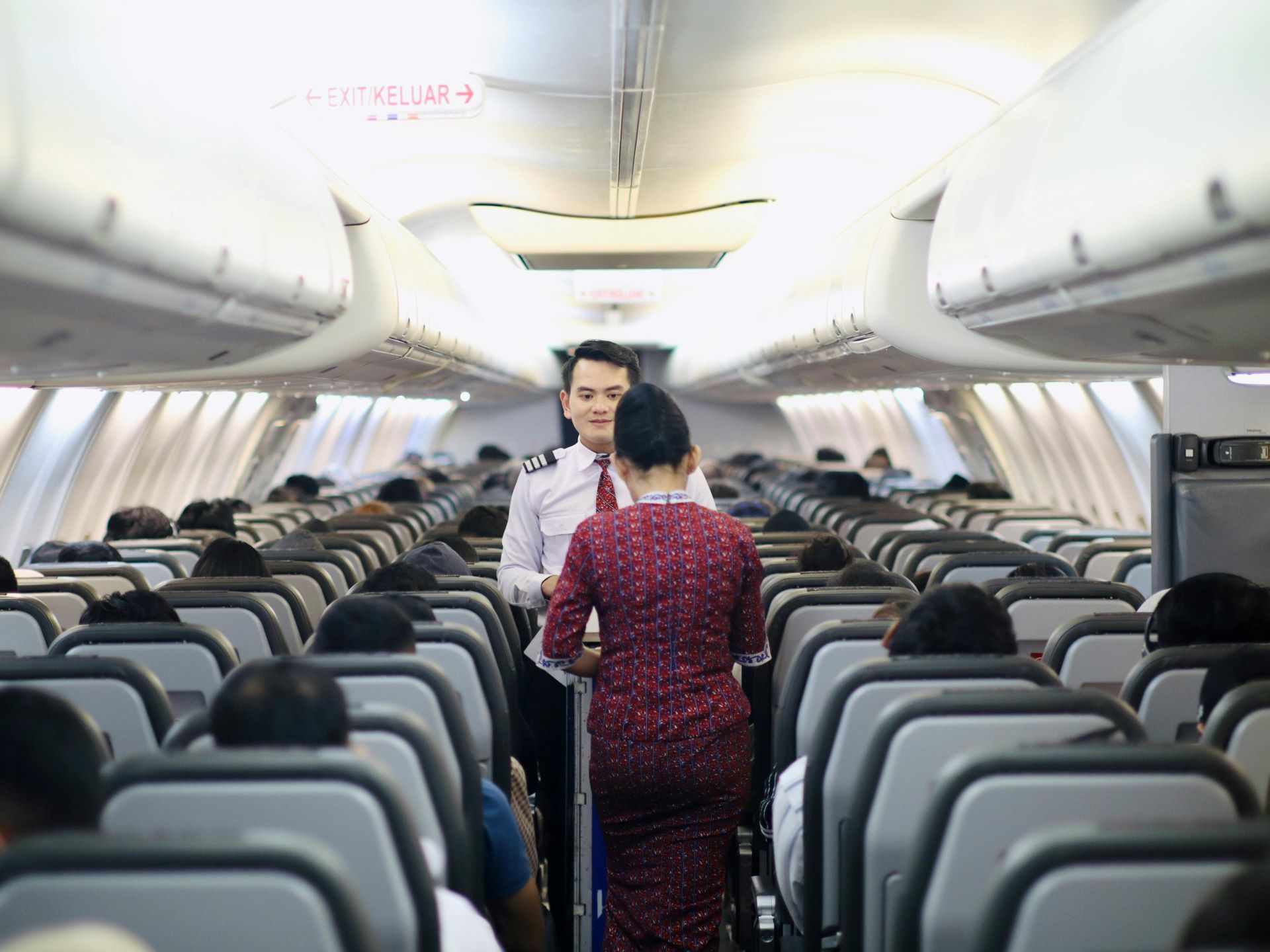
The Rise of Gourmet Travel in the Sky
Historically, airline food carried a certain stigma: bland, overcooked, and forgettable. But that perception has changed dramatically in recent years. Airlines recognized that in an increasingly competitive market, food is no longer incidental; it is an opportunity to impress, engage, and retain premium travelers.
Premium cabins now boast menus designed with the same care and creativity as five-star restaurants. Every ingredient, every cooking technique, and every pairing is carefully considered. Seasonal menus and locally sourced ingredients reflect a shift in consumer expectations—passengers want authenticity, quality, and a story behind every bite.
Case Study: Singapore Airlines
Singapore Airlines, long celebrated for its in-flight service, has raised the bar with its “Book the Cook” program. Premium travelers can pre-order meals designed by world-renowned chefs, featuring a selection of globally inspired cuisines—from classic French escargots to Singaporean laksa. This level of customization not only satisfies taste preferences but also enhances the sense of exclusivity and anticipation, making the meal a highlight of the journey rather than an afterthought.
Celebrity Chef Collaborations: Star Power in the Sky
One of the most visible trends in luxury in-flight dining is collaboration with celebrity chefs. Carriers leverage the fame, expertise, and creative flair of culinary icons to craft signature menus that appeal to travelers seeking both quality and prestige.
From Gordon Ramsay to Nobu Matsuhisa, chefs partner with airlines to reimagine how haute cuisine can function in the sky. These collaborations are far more than marketing gimmicks; they involve months of testing and adaptation to ensure that complex recipes translate flawlessly into the compact, high-pressure environment of an aircraft galley.
Case Study: Emirates and Chef James Pumphrey
Emirates, for example, has teamed with Chef James Pumphrey to design seasonal menus for first and business class. His signature lamb tagine and truffle-infused risotto are engineered to retain their flavor and texture even when reheated in-flight. The result is a seamless blend of culinary excellence and operational precision that passengers can taste in every bite.
The Science of High-Altitude Cooking
Cooking at 35,000 feet is not simply about reheating a meal; it is a delicate science. Cabin pressure, humidity, and oxygen levels all change how humans perceive flavor. Studies suggest that salty and sweet tastes diminish by up to 30% at cruising altitude. Chefs compensate by slightly increasing seasoning, adjusting acidity, and incorporating aromatic herbs to maintain balance.
Space constraints in galleys mean that conventional kitchen tools—ovens, stovetops, and grills—are impractical. Instead, airlines rely on advanced equipment such as convection ovens, vacuum-sealed sous-vide machines, and specialized warming trays. Meals are often cooked on the ground under precise conditions, chilled, frozen, or vacuum-sealed, and then reheated mid-flight to maintain quality.
Flavor Preservation Techniques
Sous-vide Cooking: Foods are sealed in airtight pouches and cooked in temperature-controlled water baths to retain moisture, texture, and nutrients.
Cryovac Freezing: Ingredients are frozen quickly to preserve freshness and prevent ice crystals from altering flavor.
Modified Packaging: Aluminum trays, biodegradable containers, and heat-retaining materials help dishes stay at optimum temperature without compromising presentation.
The goal is clear: passengers should taste the dish as the chef intended, even while suspended miles above the Earth.
Seasonal Menus and Locally Sourced Ingredients
Passengers increasingly desire meals that tell a story of place and season. Airlines have embraced this trend, sourcing local and seasonal ingredients to reflect the cultural context of both origin and destination.
Take British Airways’ partnership with seasonal UK suppliers. For a London to Cape Town route, starters might feature heritage beetroot from Norfolk, main courses could highlight sustainably sourced fish from Cornwall, and desserts could showcase regional berries, all designed to offer a narrative of terroir in every plate.
Such menus appeal not only to taste but also to the growing demand for sustainability and authenticity in luxury travel.
Beyond the Meal: The Complete Dining Experience
Elevated in-flight dining is about more than taste. Presentation, tableware, and service create a holistic experience that mirrors high-end restaurants. Premium cabins have replaced plastic trays with fine porcelain, crystal glassware, and polished cutlery. Wine pairings, tasting menus, and delicate plating transform a simple meal into a full sensory journey.
Service is equally crucial. Flight attendants receive specialized training in gourmet service, from explaining the chef’s inspiration to recommending wine pairings. Every interaction is designed to enhance the passenger’s experience and reinforce the airline’s brand promise.
Passenger Perspective
For premium traveler Emma Li, the culinary aspect of a flight is now a key factor in choosing an airline. “I don’t just eat on a plane; I experience it,” she says. “The attention to detail, the creativity, even the way the staff present each course—it feels like dining at a Michelin-star restaurant above the clouds.”
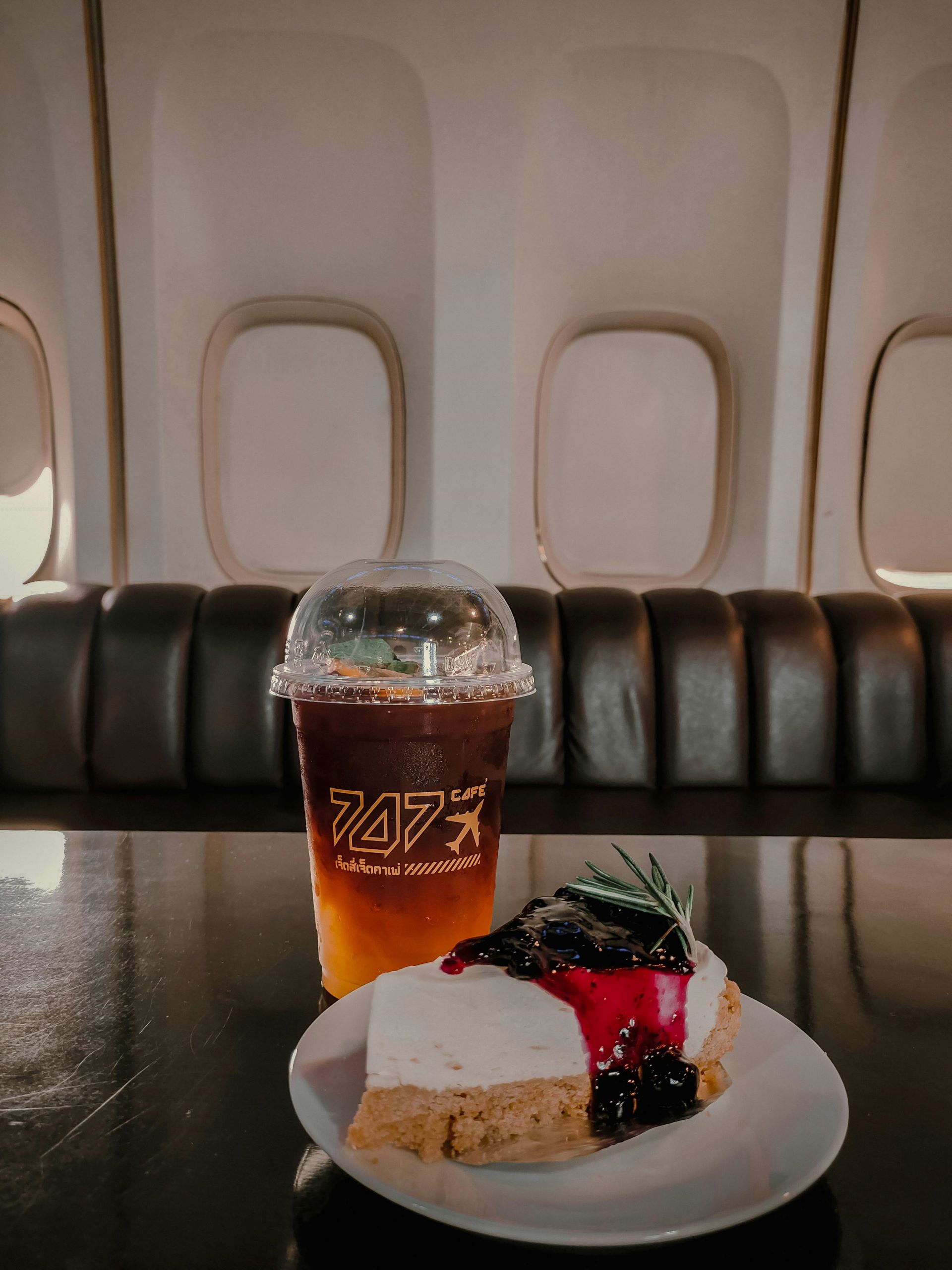
Technology and Innovation in the Sky
Technology is reshaping in-flight dining as much as chefs and ingredients do. Airlines are exploring augmented reality menus, where passengers can see 3D representations of dishes before ordering. Some carriers use AI to analyze passenger preferences and dietary restrictions, creating personalized meal plans that cater to individual tastes.
Sustainability innovations are also emerging. Plant-based menus, compostable packaging, and locally sourced proteins reduce environmental impact while maintaining gourmet standards. The result is a dining experience that aligns with evolving consumer values without compromising quality.
Global Culinary Trends in Aviation
While each airline approaches in-flight dining differently, some global trends are reshaping the industry:
Asian Fusion: Combining traditional flavors with contemporary techniques to create visually stunning and complex taste profiles.
Nordic Minimalism: Focused on clean lines, locally sourced ingredients, and delicate flavors that emphasize purity over embellishment.
Personalization: Passengers can now choose courses, portion sizes, and even cooking methods tailored to personal preference.
Experiential Dining: Multi-course tasting menus, curated wine flights, and even mid-flight chef demonstrations are becoming more common.
These trends illustrate that in-flight gastronomy is not static; it is a dynamic, evolving art form that adapts to cultural tastes, culinary innovation, and passenger expectations.
Challenges and Limitations
Despite advancements, challenges remain. Space and weight constraints limit the complexity of dishes. Supply chain logistics can complicate ingredient sourcing, especially for seasonal or local items. Reheating techniques must balance efficiency with quality, and safety regulations restrict certain ingredients or preparation methods.
Even with these limitations, airlines are pushing boundaries. The commitment to excellence drives innovation, ensuring that even in the sky, diners experience a level of sophistication once reserved for elite ground-based restaurants.
The Future of In-Flight Gastronomy
Looking ahead, the possibilities are limitless. Airlines are exploring immersive dining experiences, from interactive menus to virtual reality enhancements. Nutritional science and biotechnology could allow for meals optimized for both health and taste. Sustainability will remain central, with plant-based proteins, zero-waste kitchens, and eco-friendly service materials becoming the norm.
Premium travelers will continue to expect more than a meal—they will seek a culinary journey that rivals, or even surpasses, the finest restaurants on the ground. Airlines that embrace this philosophy will not only feed passengers—they will inspire, delight, and create memories that linger long after the flight lands.
The Sky is the Limit
Gourmet in-flight dining is no longer a novelty; it is a defining feature of modern luxury air travel. Through celebrity chef collaborations, scientific precision, seasonal sourcing, and innovative service, airlines have transformed meals into a high-altitude art form.
For passengers, dining above the clouds is a feast for the senses, a story of culture and creativity, and a highlight of their journey. The future of aviation promises even more thrilling culinary experiences, ensuring that the sky is not just the limit—it is the table.