


Welcome to Kyoto - The Heart of Japan’s Cultural Heritage
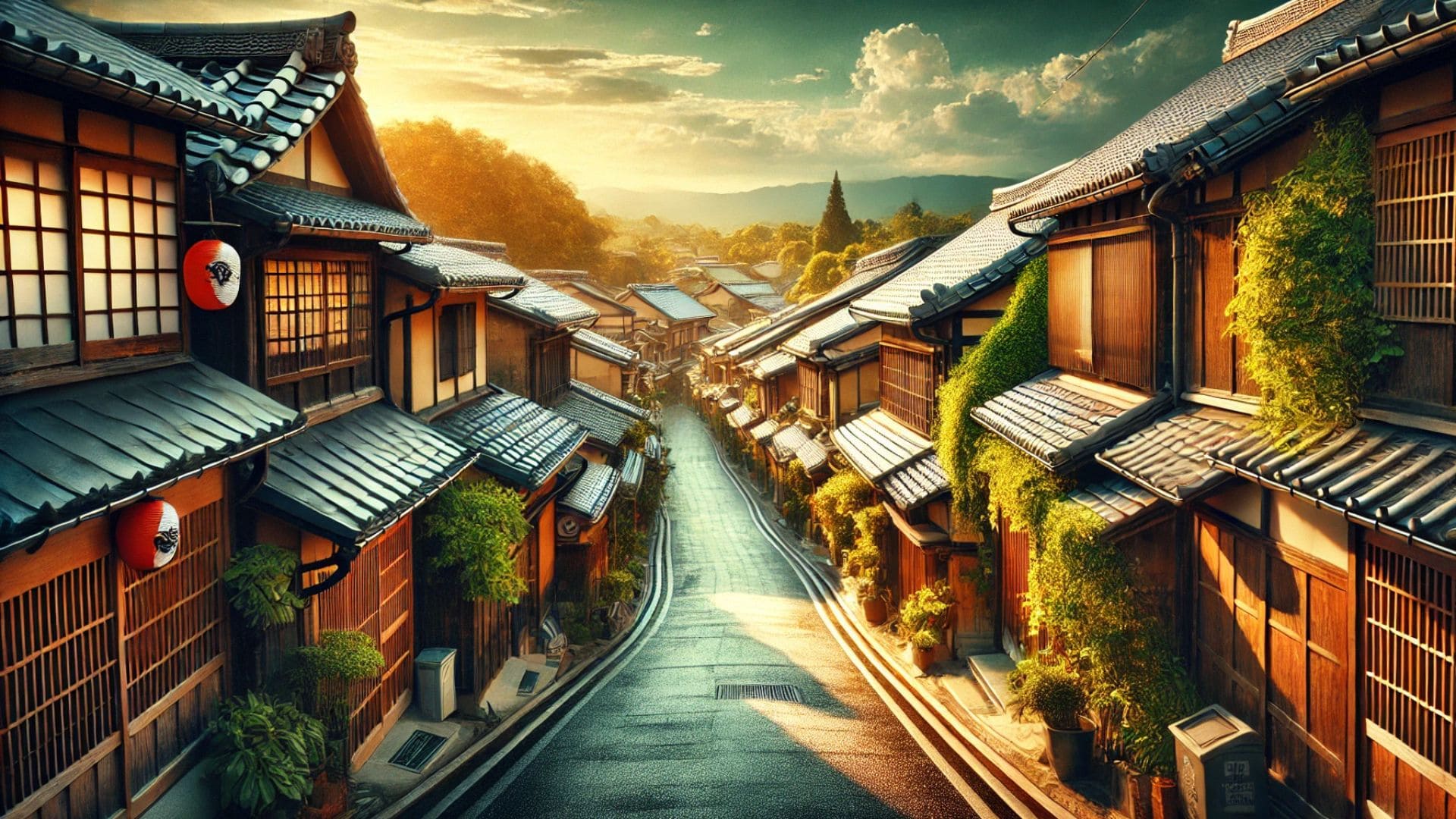
Kyoto, the ancient capital of Japan, is a city that exudes an aura of timeless elegance and spiritual serenity. Nestled in the heart of Japan’s Honshu island, Kyoto is where the soul of traditional Japan comes to life. This enchanting city offers an unparalleled journey through centuries of history, with every temple, shrine, and cobblestone street telling a story of a bygone era. Whether you’re a history buff, a culture enthusiast, or simply seeking an escape from the hustle and bustle of modern life, Kyoto promises an immersive experience that lingers in your memory long after you’ve returned home. Here, in the midst of ancient wooden machiya houses and tranquil Zen gardens, you’ll find yourself transported to a world where the past and present harmoniously coexist.
Why Kyoto?
Kyoto is a city of profound historical significance, having served as Japan’s capital for over a thousand years. Unlike Tokyo’s futuristic skyline, Kyoto offers a different kind of allure—a serene, almost ethereal beauty that resonates through its well-preserved temples, meticulously manicured gardens, and the seasonal splendor of cherry blossoms. Kyoto is the custodian of Japan’s cultural heritage, with 17 UNESCO World Heritage sites, including the famous Kinkaku-ji (Golden Pavilion) and the serene Ryoan-ji Zen garden. The city is also the birthplace of many traditional Japanese arts, including tea ceremonies, flower arranging (ikebana), and the mysterious world of the geisha. Kyoto is not just a destination; it’s an experience—a journey into the very heart of Japanese culture.
Getting There: Flights and Travel Tips for an Unforgettable Journey
Choosing the Best Airlines for Your Trip to Kyoto
When planning your journey to Kyoto, selecting the right airline can make all the difference in setting the tone for your adventure. Japan Airlines and All Nippon Airways (ANA) are two of the top choices, offering direct flights from major international hubs. These airlines are known for their exceptional service, offering a blend of Japanese hospitality with modern comforts. For those seeking more budget-friendly options, consider airlines like AirAsia X or China Eastern, which provide connecting flights to Kansai International Airport. No matter your choice, ensure that your selected airline aligns with your travel preferences, be it in-flight entertainment, meal options, or the ability to earn frequent flyer miles.
Flight Duration and Layovers: What to Expect
The journey to Kyoto typically involves a flight into Kansai International Airport, the nearest major airport to the city. From North America, direct flights can range from 10 to 14 hours, while flights from Europe generally take 11 to 13 hours. Layovers are common if you’re flying with a non-direct carrier, so it’s essential to plan accordingly. Airports like Tokyo Narita, Hong Kong International, and Seoul Incheon are popular layover points, offering a chance to stretch your legs and perhaps indulge in some duty-free shopping. It’s advisable to allow for at least a two-hour layover to navigate through security checks and boarding procedures comfortably.
Travel Hacks: How to Save on Your Flight to Kyoto
Scoring a deal on flights to Kyoto doesn’t require luck—just a bit of strategic planning. Start by booking your flight several months in advance to lock in lower prices. Consider flying mid-week, as these days typically offer cheaper fares compared to weekends. Utilize flight comparison websites like Skyscanner or Google Flights to track fare fluctuations, and set up alerts to get notified when prices drop. Additionally, if your travel dates are flexible, explore the possibility of flying into alternative airports like Osaka Itami or Kobe Airport, which are within a short distance from Kyoto and may offer more competitive rates.

Arriving in Kyoto: First Impressions and Transportation Options
Navigating Kansai International Airport: A Step-by-Step Guide
Upon landing at Kansai International Airport, you’ll immediately sense the efficiency that Japan is known for. The airport is modern, well-signposted in English, and incredibly user-friendly. After clearing customs, follow the signs to the Airport Express Haruka or limousine buses that whisk you directly to Kyoto. For those preferring a more private mode of transport, taxis and ride-sharing services are readily available. It’s also worth noting that Kansai Airport offers luggage delivery services—perfect for those who wish to explore without the burden of heavy bags. Before you leave the airport, don’t forget to pick up a prepaid SIM card or rent a portable Wi-Fi device, ensuring you stay connected throughout your stay.
Getting from the Airport to Kyoto: Trains, Buses, and Taxis
The most popular way to travel from Kansai International Airport to Kyoto is by the JR Haruka Express train, which takes you directly to Kyoto Station in about 75 minutes. The train ride is smooth, comfortable, and offers stunning views of the Osaka Bay as you speed towards your destination. Alternatively, the airport limousine bus is a budget-friendly option, taking about 90 minutes and dropping you off at key locations in Kyoto. Taxis are also available, but they can be expensive and may take longer depending on traffic. For those seeking a blend of convenience and affordability, consider the Kansai One Pass, which offers unlimited travel on JR trains, buses, and subways in the Kansai region.
Kyoto’s Public Transportation: A Traveler’s Best Friend
Once in Kyoto, you’ll find the city’s public transportation system to be both efficient and easy to navigate. The Kyoto City Bus and the Kyoto Subway are the main modes of transport, connecting you to most of the city’s attractions. The buses are particularly useful for reaching more remote temples and shrines, while the subway is ideal for getting around the city center quickly. For unlimited travel on buses and subways, consider purchasing a Kyoto City Bus & Subway Pass, available in one or two-day options. Kyoto’s public transportation is also incredibly tourist-friendly, with English signage and announcements, making it easy for first-time visitors to get around.
Where to Stay: Top Accommodations in Kyoto
Luxury Hotels: Pamper Yourself in Kyoto’s Finest
Kyoto offers an array of luxurious accommodations that provide the perfect retreat after a day of exploration. The Ritz-Carlton Kyoto, located along the Kamogawa River, is an epitome of elegance, blending traditional Japanese aesthetics with modern opulence. For a more boutique experience, consider Hotel Kanra Kyoto, where each room is designed with a minimalist yet warm touch, offering private baths and tatami mat floors. If you prefer a historical ambiance, stay at Suiran, a Luxury Collection Hotel, which is housed in a former imperial villa overlooking the Hozu River in Arashiyama. These accommodations are not just places to sleep—they are sanctuaries where you can indulge in exquisite dining, relax in serene spas, and enjoy unparalleled service.
Traditional Ryokan: Experience Authentic Japanese Hospitality
For a truly immersive experience, consider staying in a ryokan—a traditional Japanese inn that offers a glimpse into Japan’s rich cultural heritage. Tawaraya and Hiiragiya are two of Kyoto’s most renowned ryokans, both with over 300 years of history. Here, you’ll sleep on futons laid out on tatami mats, soak in communal baths, and dine on kaiseki meals, which are meticulously prepared multi-course dinners that highlight seasonal ingredients. The hospitality at these ryokans is unmatched, with hosts who take pride in making your stay as comfortable and authentic as possible. Staying in a ryokan is not just about lodging; it’s about experiencing the warmth and refinement of Japanese culture firsthand.
Budget-Friendly Stays: Affordable and Comfortable Options
Traveling on a budget doesn’t mean you have to sacrifice comfort in Kyoto. The city offers numerous budget-friendly accommodations that are clean, comfortable, and centrally located. Guesthouses and hostels like Piece Hostel Sanjo and Khaosan Kyoto Guesthouse provide affordable lodging with a social atmosphere, perfect for meeting fellow travelers. For a bit more privacy, consider staying at an Airbnb or a business hotel like Hotel Mystays Kyoto-Shijo, which offers compact yet well-equipped rooms. Many of these budget accommodations also offer traditional Japanese touches, such as tatami mat rooms or communal baths, allowing you to enjoy an authentic experience without breaking the bank.
Exploring Kyoto’s Stunning Temples
Kinkaku-ji: The Golden Pavilion and Its Mesmerizing Reflection
Kinkaku-ji, also known as the Golden Pavilion, is one of Kyoto’s most iconic landmarks. This Zen Buddhist temple is famous for its top two floors, which are completely covered in gold leaf, shimmering in the sunlight against the backdrop of a tranquil pond. The reflection of the temple on the still waters creates a picture-perfect scene that has captivated visitors for centuries. Originally built as a retirement villa for the shogun Ashikaga Yoshimitsu, Kinkaku-ji was converted into a temple after his death in 1408. The surrounding gardens are a masterpiece of Japanese landscape design, featuring carefully placed stones, trees, and a peaceful teahouse where you can enjoy matcha while soaking in the beauty of the surroundings.
Fushimi Inari Shrine: A Journey Through Thousands of Torii Gates
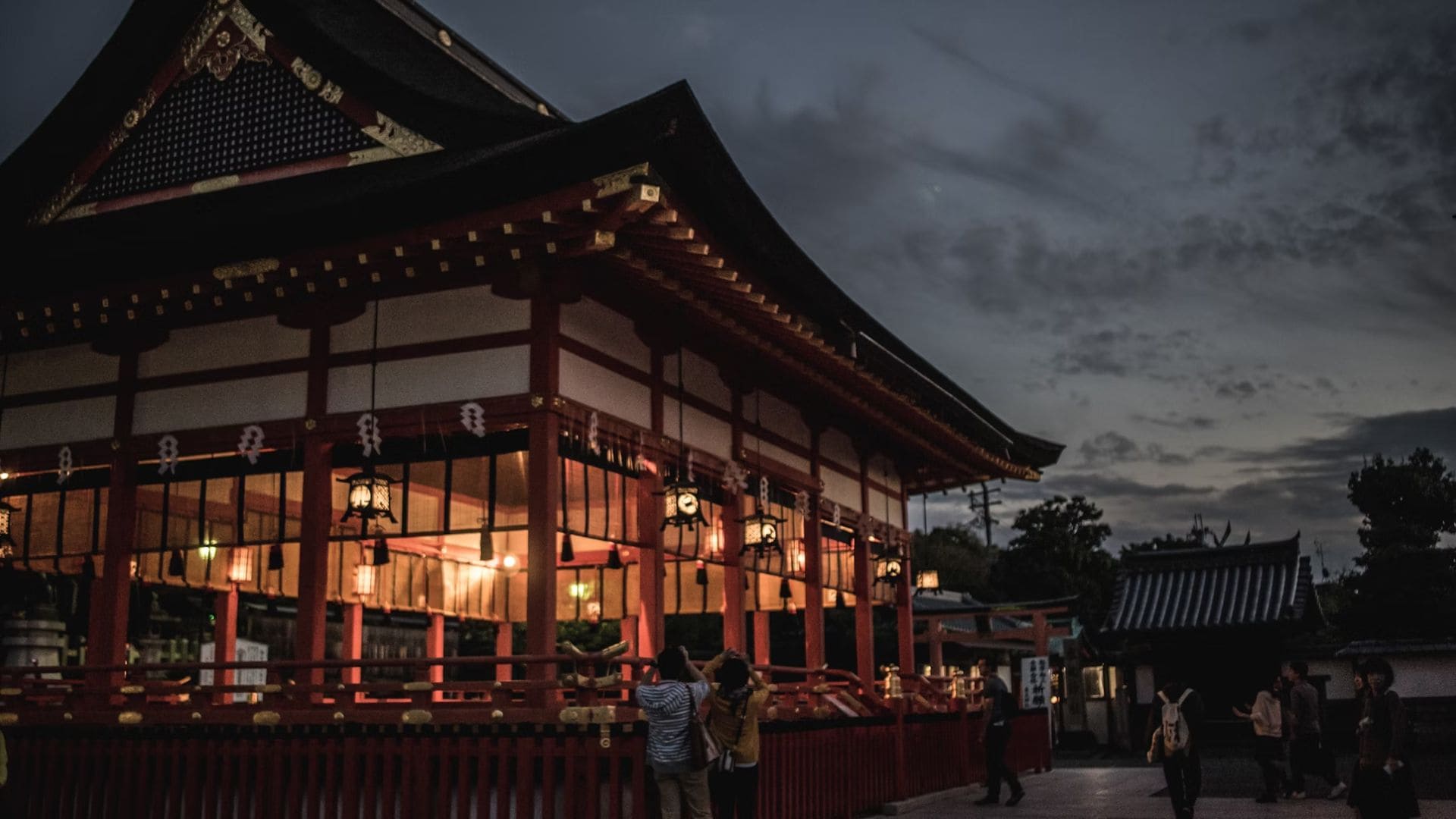
Fushimi Inari Shrine is one of Japan’s most revered Shinto shrines, dedicated to Inari, the god of rice and prosperity. What sets this shrine apart is the breathtaking Senbon Torii, or thousands of vermillion torii gates, that create a seemingly endless tunnel leading up to the sacred Mount Inari. Walking through these gates, with each one donated by individuals or businesses seeking blessings, is a spiritual journey that takes you through lush forests and offers panoramic views of Kyoto. The hike to the summit is rewarding, with smaller shrines and stone fox statues—Inari’s messengers—dotting the trail. Whether you visit at dawn, when the
gates are bathed in soft morning light, or at dusk, when they take on a mystical glow, Fushimi Inari is an experience that stays with you.
Kiyomizu-dera: The Temple with a View Over Kyoto
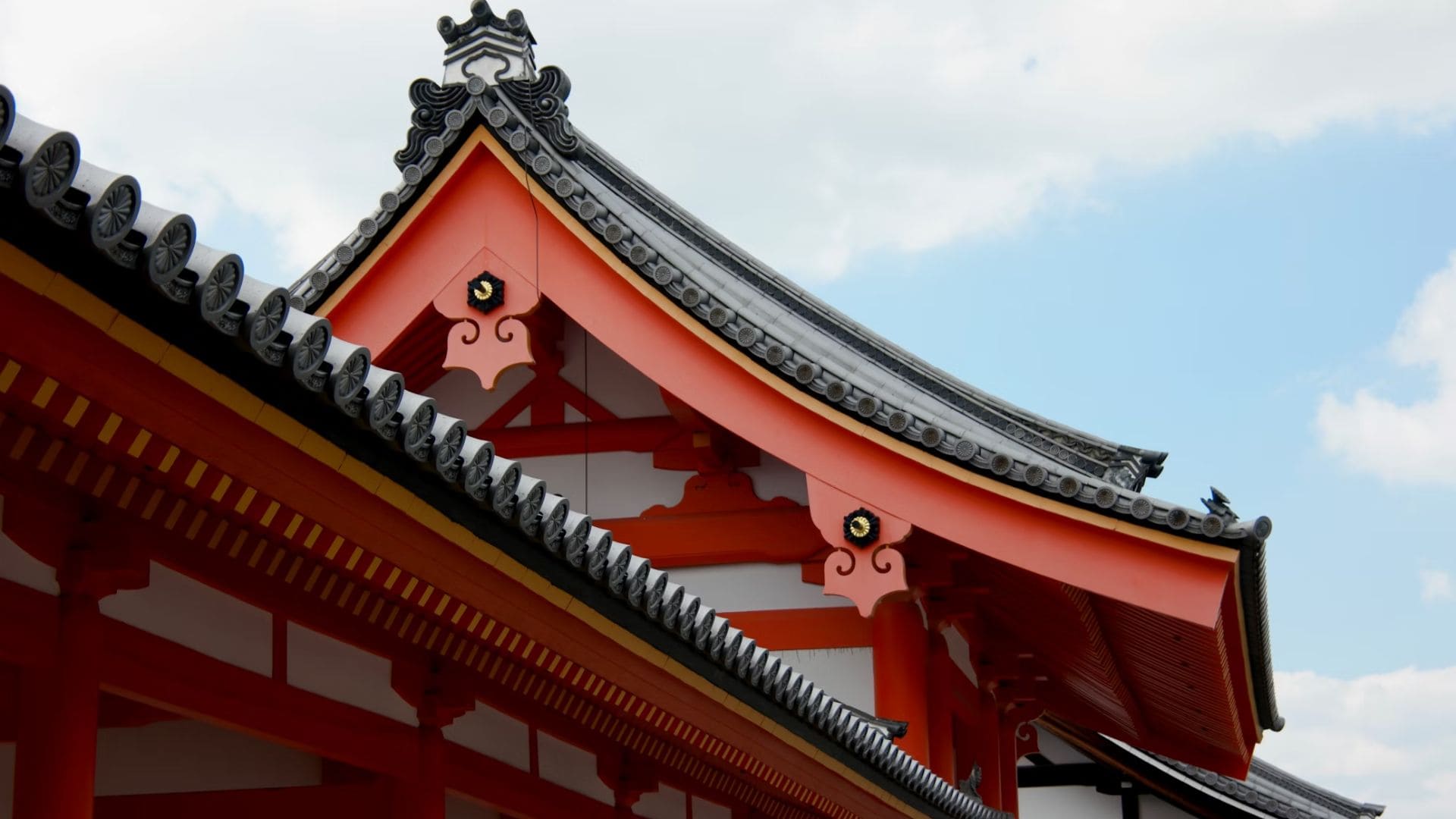
Perched on the slopes of Mount Otowa, Kiyomizu-dera is one of Kyoto’s most celebrated temples, offering stunning views over the city from its iconic wooden stage. The temple’s name, which means “Pure Water,” is derived from the Otowa Waterfall that flows beneath the main hall, where visitors can drink from one of three streams believed to grant health, longevity, and academic success. Founded in 778 AD, Kiyomizu-dera is a marvel of traditional Japanese architecture, with its main hall constructed entirely without nails. The temple is especially popular during the cherry blossom and autumn foliage seasons, when the surrounding trees explode into vibrant colors, enhancing the already breathtaking views. A visit to Kiyomizu-dera is a journey into the spiritual and natural beauty that defines Kyoto.
Kyoto’s Cherry Blossoms: Nature’s Masterpiece
Best Time to Visit: When Kyoto’s Cherry Blossoms Are in Full Bloom
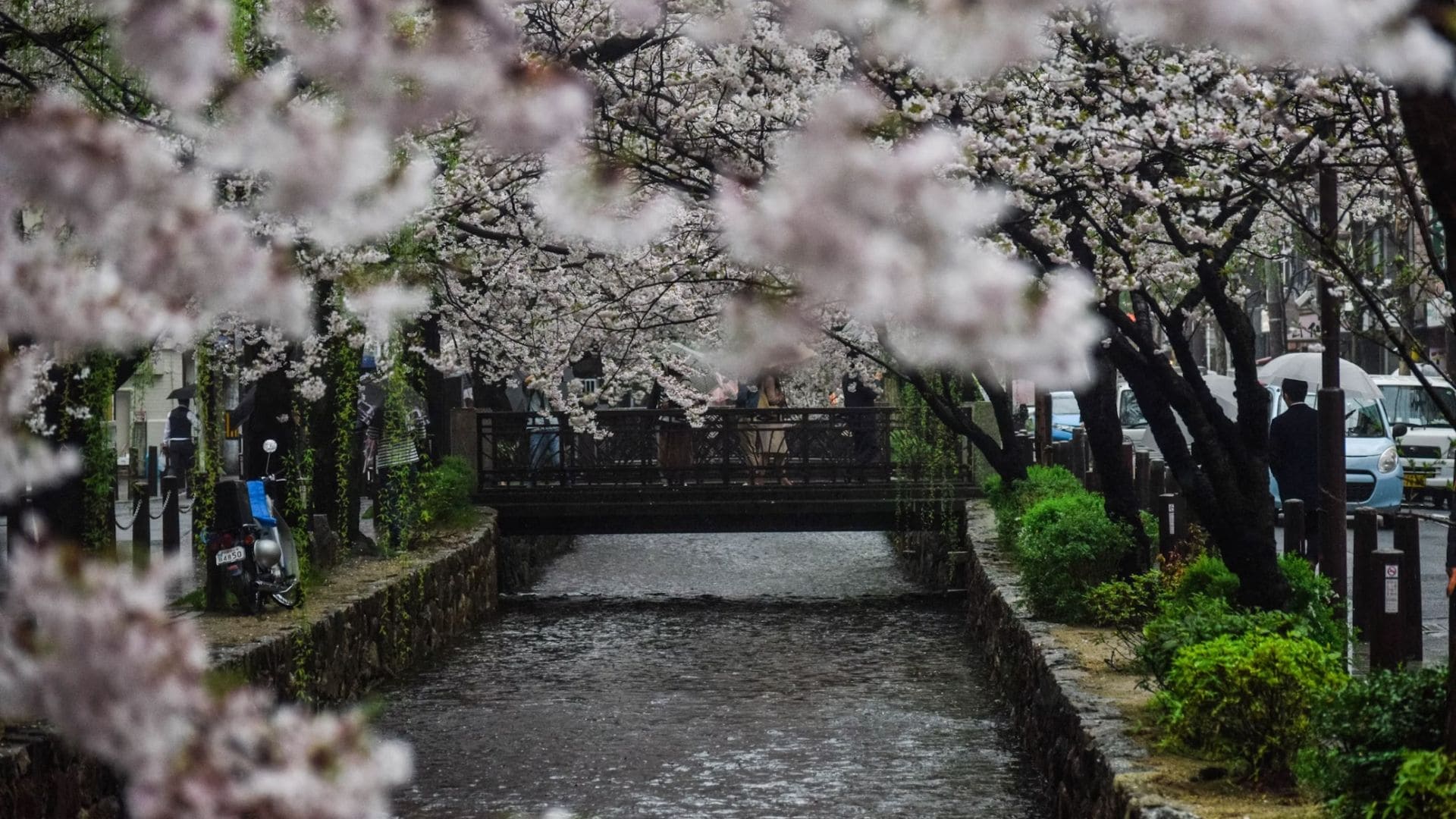
Kyoto’s cherry blossom season, known as sakura, is a magical time when the city is blanketed in delicate pink petals, creating an ethereal landscape that attracts visitors from around the world. The best time to witness this spectacle is typically from late March to early April, though the exact timing can vary depending on the weather. During this period, the city’s parks, temples, and riversides are transformed into breathtaking scenes of natural beauty, with the blossoms framing historic landmarks in a way that seems almost surreal. To make the most of your visit, it’s wise to monitor local sakura forecasts, which provide updates on the blooming status of various areas in Kyoto. Whether you’re strolling along the Philosopher’s Path or enjoying a picnic under the blossoms at Maruyama Park, the sight of Kyoto in full bloom is an experience that will leave you in awe.
Top Viewing Spots: Where to Capture the Perfect Sakura Photo
Kyoto offers numerous picturesque locations to admire and photograph the cherry blossoms, each with its own unique charm. Maruyama Park, located near Yasaka Shrine, is one of the most popular hanami (flower viewing) spots in the city, famous for its iconic weeping cherry tree that is illuminated at night. The Philosopher’s Path, a stone-paved walkway along a canal lined with hundreds of cherry trees, is another must-visit location, offering a tranquil setting for a leisurely stroll. For a more dramatic backdrop, head to the Kiyomizu-dera Temple, where the blossoms contrast beautifully with the temple’s wooden stage and the cityscape beyond. Other notable spots include the Imperial Palace Park, with its expansive lawns and elegant trees, and the Arashiyama district, where the cherry blossoms frame the iconic Togetsukyo Bridge and the surrounding mountains.
Cherry Blossom Festivals: Celebrate Spring in Kyoto
Cherry blossom season in Kyoto is not just about admiring the flowers—it’s a time of celebration, marked by numerous festivals and events that bring the city to life. The most famous of these is the Miyako Odori, a traditional dance performance by the geiko and maiko of the Gion district, held throughout April. The dances are set to classical Japanese music and tell stories of Kyoto’s seasons, with the cherry blossoms playing a prominent role. Another highlight is the Kitano Odori, a similar performance held in the Kamishichiken district, featuring elegant dances and elaborate costumes. For a more casual experience, join the locals for a hanami picnic under the cherry trees in one of Kyoto’s many parks. These gatherings are a chance to enjoy food, drink, and the company of friends and family while surrounded by the beauty of the blossoms.
Cultural Experiences You Can’t Miss
Geisha Districts: Exploring Gion and the Art of Geisha
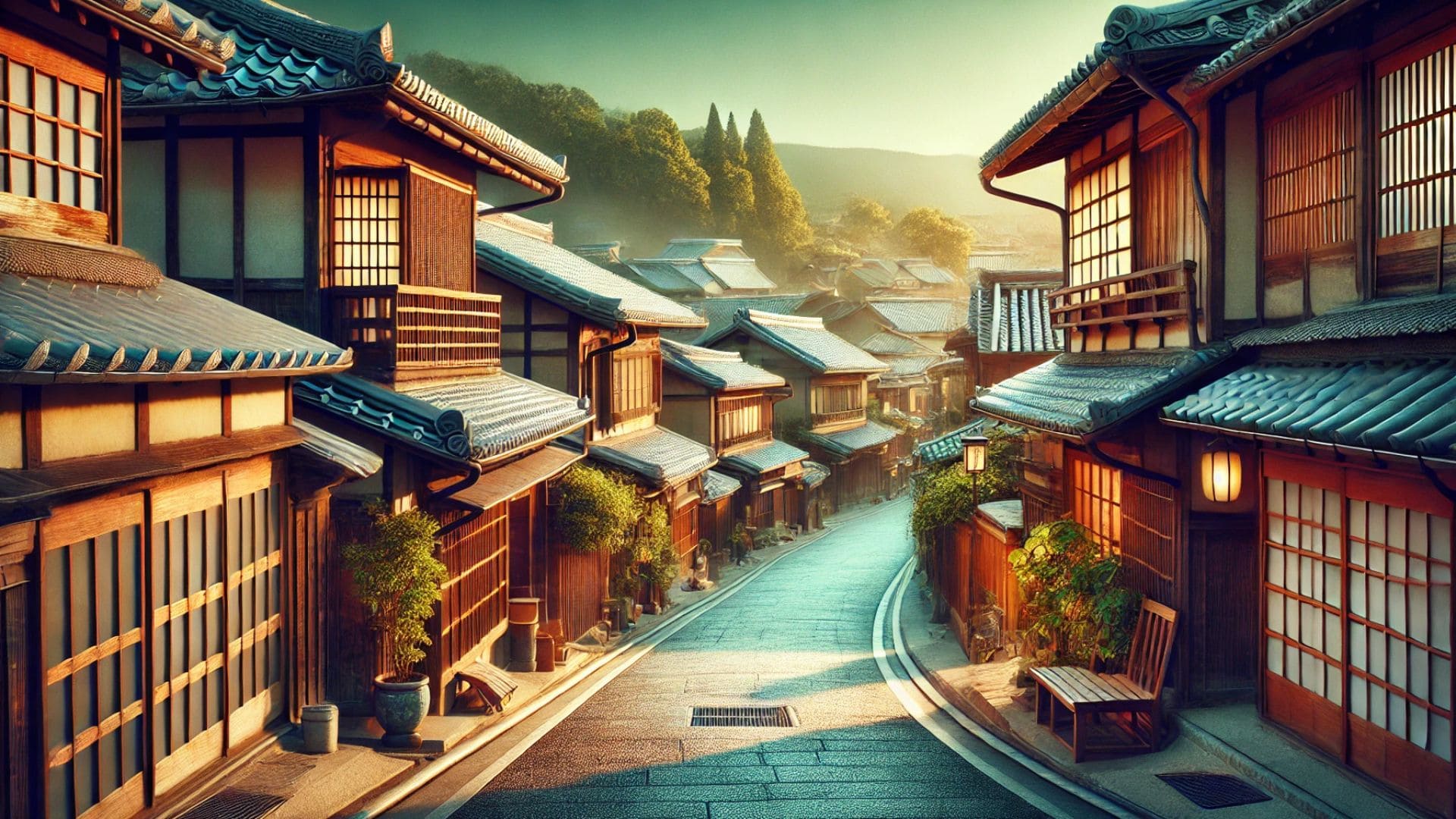
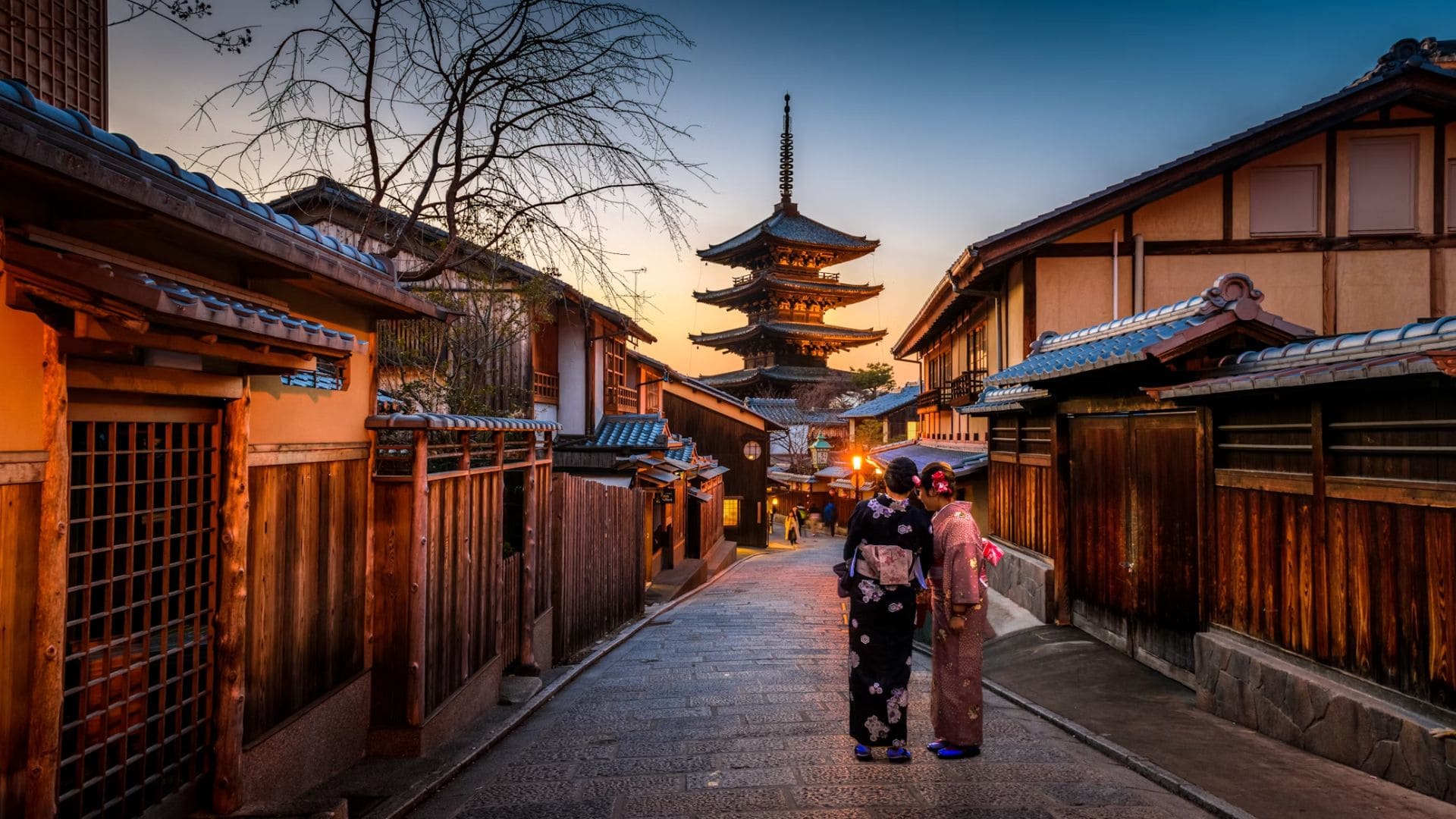
Kyoto’s Gion district is synonymous with the world of the geisha, or geiko as they are known in Kyoto, and the apprentice maiko. Walking through the narrow, cobblestone streets of Gion, lined with traditional wooden teahouses, feels like stepping back in time to the Edo period. If you’re lucky, you might catch a glimpse of a maiko in her vibrant kimono and elaborate hairstyle, hurrying to an evening engagement. For a more in-depth experience, consider booking a tea house visit, where you can enjoy an intimate performance of traditional music and dance by a geiko or maiko. These performances are not only a feast for the eyes but also a rare opportunity to learn about the training, discipline, and artistry that go into the life of a geisha. Beyond Gion, other geisha districts worth exploring include Pontocho, known for its riverside dining, and Kamishichiken, Kyoto’s oldest geisha district.
Zen Gardens: Finding Peace in Kyoto’s Tranquil Landscapes
Kyoto’s Zen gardens, or karesansui, are masterpieces of minimalism, designed to evoke a sense of calm and contemplation. These gardens, often found in Zen temples, feature carefully raked gravel representing water, and strategically placed rocks symbolizing islands or mountains. One of the most famous examples is the rock garden at Ryoan-ji, where 15 stones are arranged in such a way that only 14 can be seen at any given time—a design meant to inspire meditation on the imperfection and mystery of life. Another notable garden is the moss garden at Saiho-ji, also known as Koke-dera, where the lush green moss creates a soft, velvety landscape that invites quiet reflection. Visiting these gardens is a chance to slow down, breathe deeply, and immerse yourself in the serene beauty that is the essence of Kyoto.
Traditional Crafts: Hands-On Workshops and Souvenirs
Kyoto is a city that has long been a hub for traditional Japanese crafts, and participating in a hands-on workshop is a fantastic way to connect with this aspect of the culture. One of the most popular crafts in Kyoto is kyo-yuzen, a technique for dyeing silk kimonos with intricate, colorful patterns. At workshops like Marumasu Nishimuraya, you can try your hand at dyeing a handkerchief or scarf using this centuries-old method. For those interested in pottery, Kiyomizu-yaki is a type of porcelain that originated in Kyoto, known for its delicate designs and fine craftsmanship. Many studios offer classes where you can shape and glaze your own piece of pottery, which makes for a unique and personal souvenir. Other crafts to explore include Kyoto’s traditional paper-making (washi) and lacquerware, both of which offer insights into the city’s rich artistic heritage.
Day Trips from Kyoto: Exploring Beyond the City
Arashiyama: Bamboo Groves, Monkey Park, and River Views
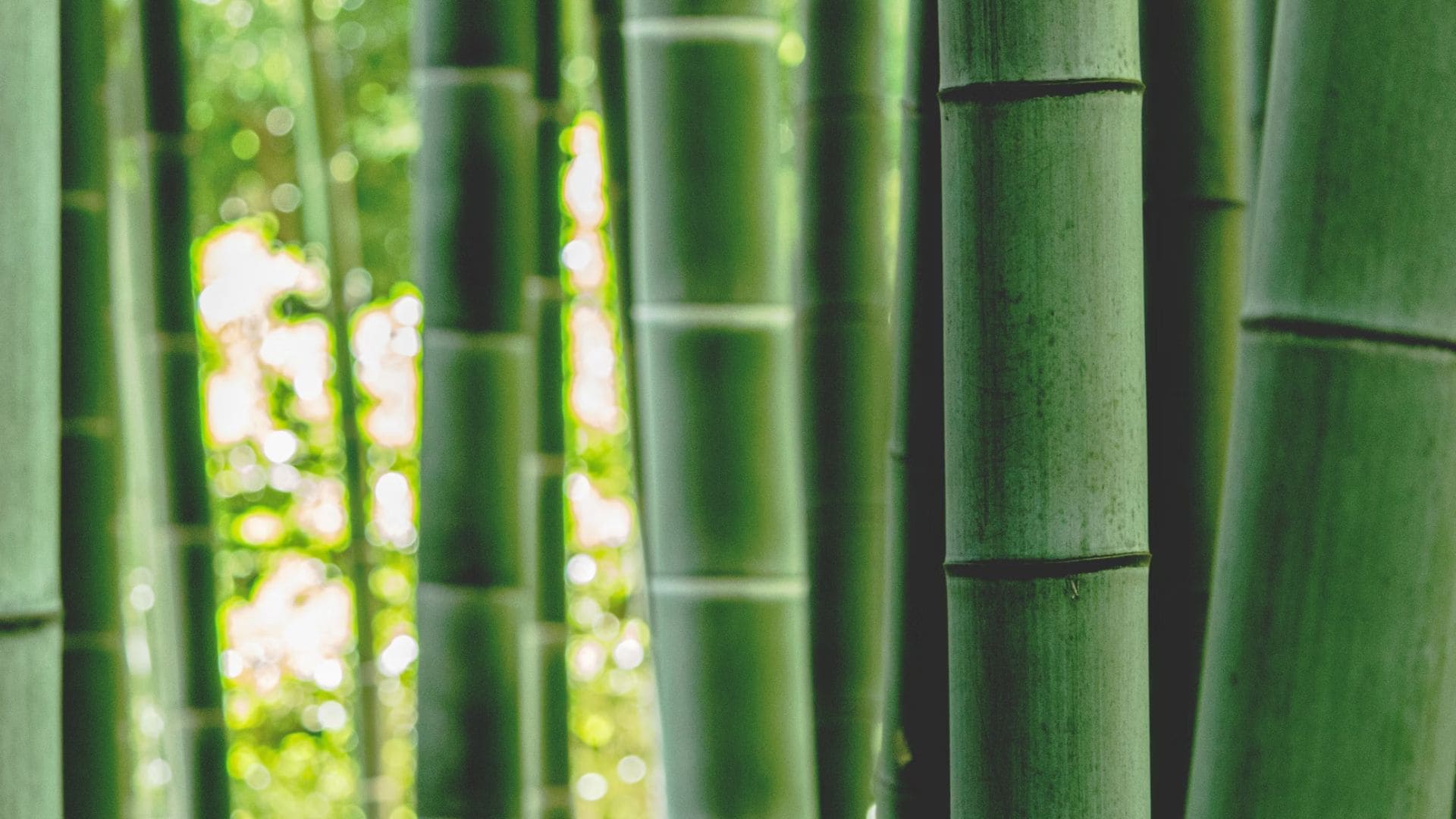
Just a short train ride from central Kyoto, Arashiyama is a picturesque district known for its lush bamboo groves, historic temples, and scenic river views. The bamboo groves of Arashiyama are perhaps the most iconic, with towering stalks that create a serene, otherworldly atmosphere as you walk through them. Nearby, you can visit the Iwatayama Monkey Park, where you can observe wild macaques in their natural habitat while enjoying panoramic views of Kyoto. The Togetsukyo Bridge, spanning the Katsura River, is another highlight of Arashiyama, offering beautiful views that change with the seasons—from cherry blossoms in spring to vibrant foliage in autumn. Arashiyama is also home to several temples, including Tenryu-ji, a UNESCO World Heritage site known for its stunning gardens and Zen atmosphere. A day trip to Arashiyama is a chance to experience the natural beauty and tranquility that lie just beyond the bustling city.
Nara: A Visit to the Historic Deer Park and Todai-ji Temple
Nara, Japan’s first permanent capital, is a city rich in history and cultural heritage, making it a perfect day trip from Kyoto. The city is best known for its deer park, where hundreds of tame deer roam freely, symbolizing the messengers of the gods in Shinto belief. Visitors can purchase special crackers to feed the deer, who have learned to bow politely in exchange for a treat. Nara is also home to Todai-ji Temple, one of Japan’s most famous landmarks and a UNESCO World Heritage site. The temple’s Great Buddha Hall, the largest wooden building in the world, houses a massive bronze statue of the Buddha that stands over 15 meters tall. The surrounding temple complex includes several other important structures, such as the Nandaimon Gate and the Nigatsudo Hall, offering a glimpse into Japan’s ancient religious traditions. A visit to Nara is a journey into the spiritual and historical heart of Japan.
Uji: The Green Tea Capital of Japan
Located just a short train ride from Kyoto, Uji is a charming town renowned for its high-quality green tea, known as Uji-cha. The town’s tea cultivation dates back to the 12th century, and today, Uji is considered one of the best places in Japan to enjoy a traditional tea experience. Start your visit at the Byodo-in Temple, a UNESCO World Heritage site that is featured on the back of the Japanese 10-yen coin. The temple’s Phoenix Hall, with its elegant architecture and serene garden, is a symbol of Uji’s cultural heritage. After exploring the temple, head to one of the many tea houses along the Uji River, where you can enjoy a cup of freshly brewed matcha accompanied by traditional sweets. For a deeper understanding of Uji’s tea culture, visit the Uji Tea Museum, where you can learn about the history and production of Uji-cha, and even try your hand at grinding tea leaves to make your own matcha. A day in Uji is a sensory delight that will leave you with a newfound appreciation for Japan’s tea traditions.
Shopping in Kyoto: Unique Finds and Traditional Souvenirs
Nishiki Market: Kyoto’s Kitchen and Culinary Treasures
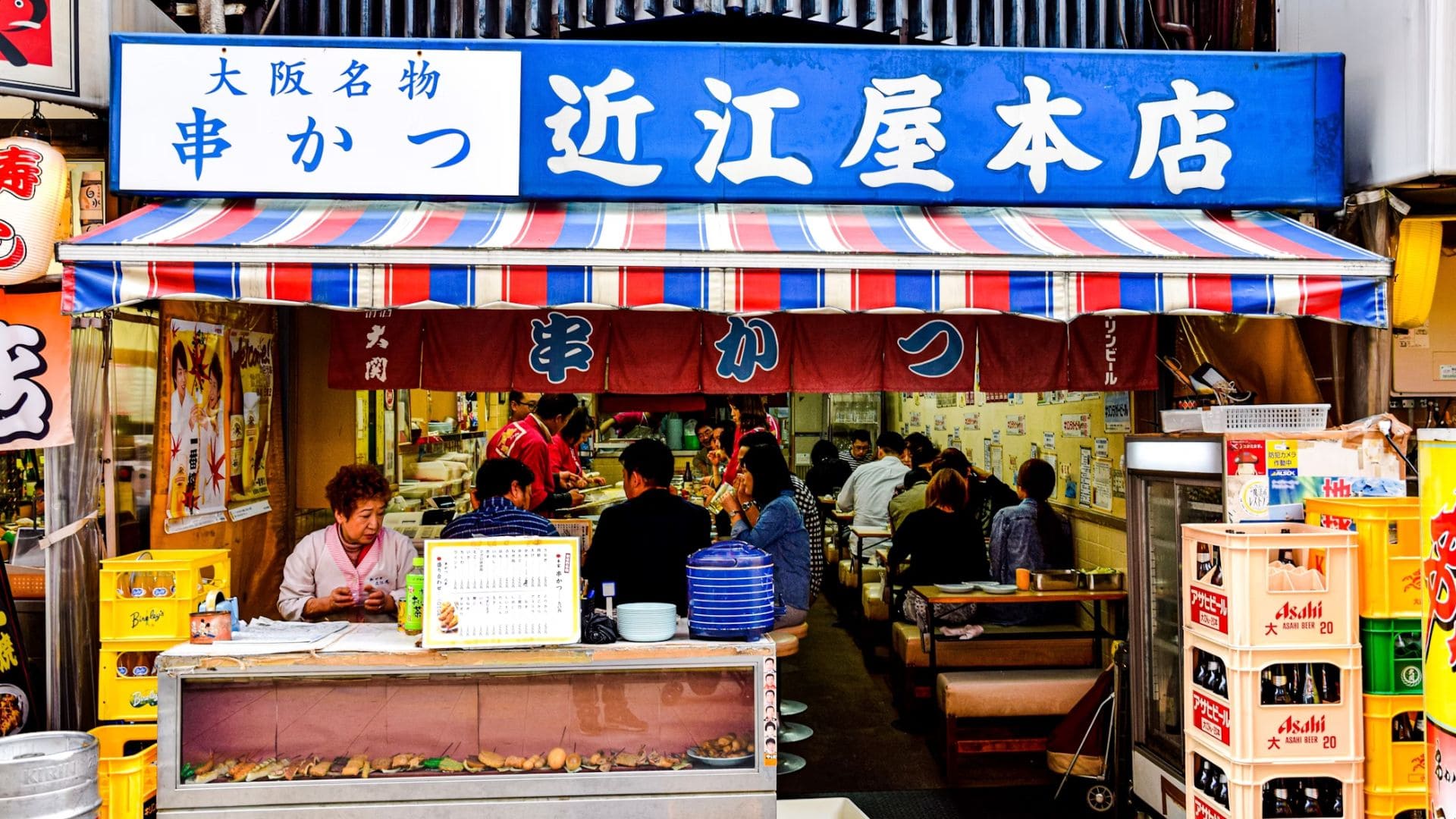
Nishiki Market, often referred to as “Kyoto’s Kitchen,” is a bustling marketplace that has been serving the city’s residents and visitors for centuries. This narrow, five-block-long street is lined with over a hundred shops and stalls, offering everything from fresh seafood and seasonal produce to pickles, sweets, and kitchenware. As you wander through the market, you’ll encounter an array of local delicacies, such as yuba (tofu skin), tsukemono (Japanese pickles), and wagashi (traditional Japanese sweets). Many vendors offer samples, allowing you to taste your way through Kyoto’s culinary traditions. Nishiki Market is also a great place to pick up unique souvenirs, such as hand-crafted knives, tea utensils, and specialty ingredients that you can take home to recreate the flavors of Kyoto. The market’s vibrant atmosphere and rich history make it a must-visit destination for food lovers and souvenir hunters alike.
Kyoto’s Handicrafts: Where to Buy Traditional Japanese Goods
Kyoto has long been a center of traditional Japanese craftsmanship, and the city is filled with shops where you can purchase high-quality, hand-made goods that reflect the region’s rich artistic heritage. One of the most famous Kyoto crafts is kyo-yuzen, a type of dyeing technique used to create intricate patterns on silk fabric, often used for kimonos. You can find beautiful examples of kyo-yuzen at specialty shops like Marumasu Nishimuraya, where artisans still practice this time-honored craft. Another popular Kyoto craft is Kiyomizu-yaki pottery, known for its delicate designs and fine craftsmanship. Many pottery shops and studios in the Higashiyama district offer a wide range of Kiyomizu-yaki items, from tea cups and plates to decorative pieces. For those interested in traditional paper, Kyoto is also famous for its washi (Japanese paper), which is used in everything from calligraphy and origami to home decor. Whether you’re looking for a unique gift or a special memento of your trip, Kyoto’s traditional handicrafts are a testament to the city’s enduring cultural legacy.
Fashion and Modern Boutiques: Blending Tradition with Trend
While Kyoto is steeped in tradition, the city also has a vibrant modern side, with a growing number of fashion boutiques and design stores that blend traditional Japanese aesthetics with contemporary style. In the Shijo-Kawaramachi area, you’ll find a mix of high-end fashion brands and independent boutiques, offering everything from designer clothing and accessories to unique home goods. One standout is Sou Sou, a Kyoto-based brand that creates modern clothing, footwear, and textiles inspired by traditional Japanese patterns and techniques. Another must-visit is Kyoto Design House, which showcases a curated selection of products by local designers, including clothing, jewelry, and home decor. These modern boutiques are a testament to Kyoto’s ability to embrace the new while honoring the old, offering a shopping experience that is both stylish and uniquely Japanese.
Seasonal Attractions in Kyoto
Kyoto in Spring: Cherry Blossoms and Flower Festivals
Spring is perhaps the most magical time to visit Kyoto, as the city comes alive with the delicate beauty of cherry blossoms, or sakura. The arrival of the cherry blossoms is celebrated with hanami, a traditional custom of enjoying the transient beauty of flowers. Parks, temples, and riversides are transformed into stunning scenes of pink and white blooms, creating a picture-perfect backdrop for strolls and picnics. One of the most popular spots for cherry blossom viewing is Maruyama Park, where the famous weeping cherry tree is illuminated at night, casting a soft glow over the surrounding area. Another highlight of spring in Kyoto is the Aoi Matsuri, one of the city’s oldest festivals, held in May. This elegant procession, featuring participants in Heian-period costumes, makes its way from the Imperial Palace to the Kamo Shrines, celebrating the beauty and bounty of nature. Spring in Kyoto is a season of renewal, beauty, and celebration, offering visitors a chance to experience the city at its most enchanting.
Summer in Kyoto: Festivals, Fireworks, and Cultural Events
Summer in Kyoto is a time of vibrant festivals, colorful fireworks, and lively cultural events that bring the city to life. One of the most famous summer festivals is the Gion Matsuri, held throughout July. This month-long celebration is centered around Yasaka Shrine and features grand parades, traditional music, and elaborate floats adorned with intricate tapestries and lanterns. The highlight of the festival is the Yamaboko Junko procession, where massive floats are paraded through the streets of Kyoto, accompanied by traditional music and dance. Another summer highlight is the Daimonji Gozan Okuribi, a fire festival held on August 16th, where giant bonfires in the shape of kanji characters are lit on the mountains surrounding Kyoto, symbolizing the sending off of ancestral spirits. Summer in Kyoto is also a time to enjoy outdoor activities, such as river cruises, temple night illuminations, and kaiseki dinners served on open-air platforms overlooking the Kamogawa River. Despite the heat and humidity, summer in Kyoto offers a rich tapestry of cultural experiences that are not to be missed.
Autumn in Kyoto: The Fiery Beauty of Japanese Maple Leaves
Autumn in Kyoto is a season of breathtaking beauty, as the city’s temples, gardens, and parks are set ablaze with the fiery hues of Japanese maple leaves, or momiji. The vibrant reds, oranges, and yellows of the autumn foliage create a stunning contrast against the traditional architecture of Kyoto’s temples, making this one of the most picturesque times to visit the city. One of the best places to experience the autumn colors is the Tofuku-ji Temple, where the view from the Tsutenkyo Bridge over a sea of maple trees is nothing short of spectacular. Another must-visit location is the Kiyomizu-dera Temple, where the autumn leaves create a stunning backdrop for the temple’s iconic wooden stage. Many of Kyoto’s temples also offer special night illuminations during the autumn season, allowing visitors to enjoy the beauty of the momiji in a magical, ethereal light. Autumn in Kyoto is a time of reflection and appreciation for the fleeting beauty of nature, a reminder of the impermanence that is at the heart of Japanese culture.
Winter in Kyoto: Snow-Capped Temples and Hot Springs
Winter in Kyoto is a season of quiet beauty, where the city’s temples and gardens are often dusted with a light layer of snow, creating a serene and tranquil atmosphere. One of the most enchanting sights is the Golden Pavilion of Kinkaku-ji, its golden façade shimmering against the backdrop of snow-covered trees and frozen ponds. Another winter highlight is the Arashiyama Bamboo Grove, where the tall bamboo stalks take on an ethereal quality under a blanket of snow. Winter is also the perfect time to experience Kyoto’s onsen, or hot springs, which offer a soothing escape from the cold. Many traditional ryokan in Kyoto have their own private onsen, where you can relax in the warm, mineral-rich waters while gazing out at snow-covered gardens. Winter in Kyoto is a season of quiet contemplation and cozy comforts, offering a unique and intimate experience of the city’s timeless beauty.

Nightlife in Kyoto: A Blend of Tradition and Modernity
Pontocho Alley: Dining and Entertainment by the Kamo River
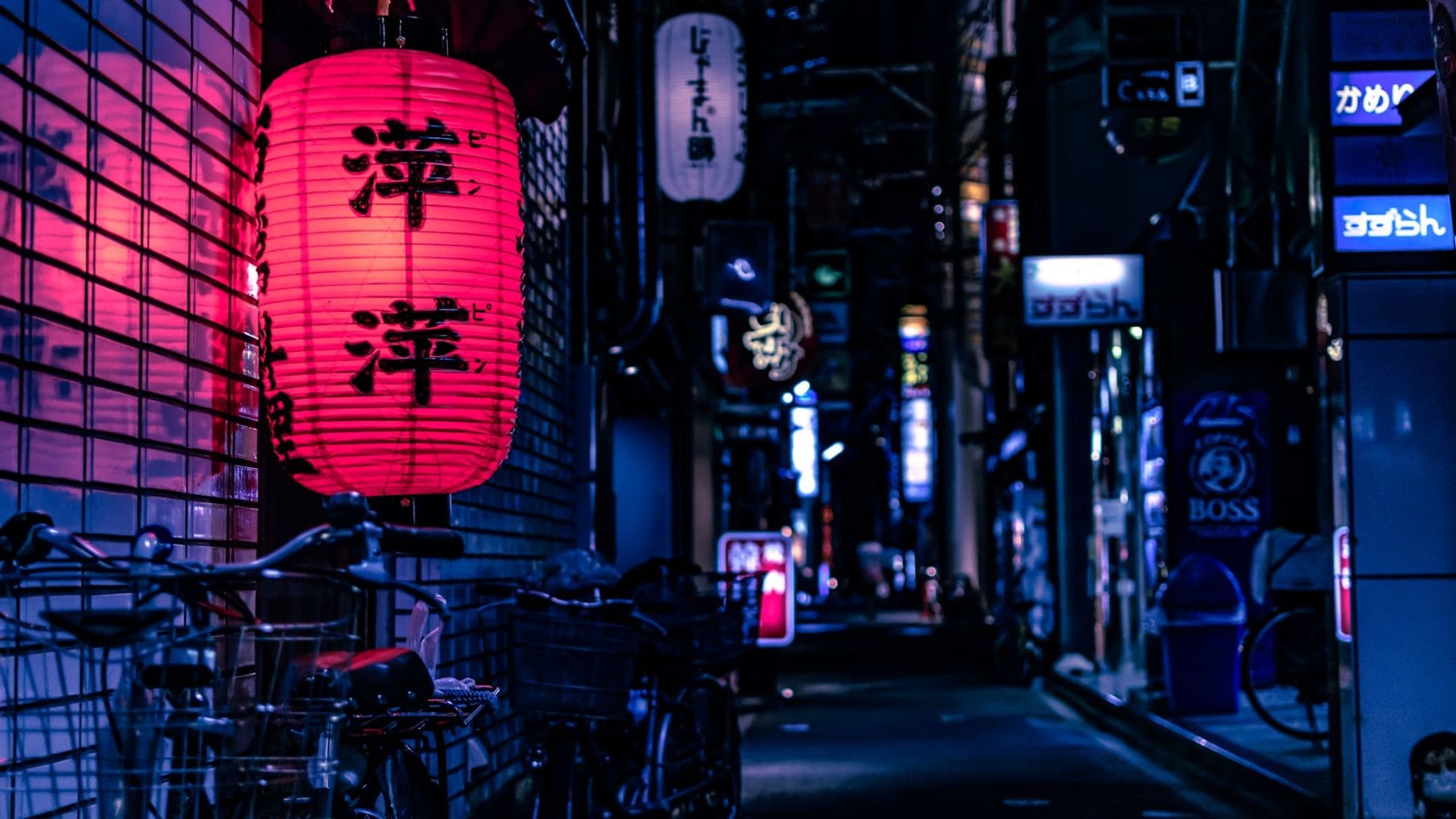
Pontocho Alley is one of Kyoto’s most atmospheric nightlife districts, a narrow, lantern-lit alley that runs parallel to the Kamo River. Lined with traditional wooden machiya houses, Pontocho is home to a wide range of dining options, from high-end kaiseki restaurants to cozy izakayas and trendy bars. Many of the restaurants in Pontocho offer outdoor seating on wooden platforms known as yuka, which overlook the Kamo River, providing a picturesque setting for a romantic dinner or an evening of relaxation with friends. As you stroll through the alley, you’ll be captivated by the charm of the lanterns, the sound of laughter, and the tantalizing aromas wafting from the open doors of the restaurants. Pontocho is also a place where you might catch a glimpse of a geiko or maiko on their way to an evening engagement, adding to the sense of stepping back in time. Whether you’re looking for an elegant dining experience or a casual night out, Pontocho offers a unique blend of tradition and modernity that is quintessentially Kyoto.
Kyoto’s Nighttime Temples: A Unique After-Dark Experience
While Kyoto’s temples are stunning during the day, they take on a whole new character after dark, when many of them offer special nighttime illuminations. These illuminations are particularly popular during the cherry blossom and autumn foliage seasons, when the temples are bathed in a soft, ethereal light that highlights the beauty of the natural surroundings. One of the most famous nighttime temple experiences is at Kiyomizu-dera, where the temple’s wooden stage is illuminated against the backdrop of the city lights, creating a breathtaking view that is both serene and magical. Another notable illumination is at the Kodai-ji Temple, where the gardens are transformed into a dreamlike landscape of light and shadow, with reflections shimmering in the ponds. Visiting Kyoto’s temples at night offers a unique perspective on these historic sites, allowing you to experience their beauty in a peaceful, almost otherworldly atmosphere.
Bars and Izakayas: Where to Enjoy Kyoto’s Nightlife Scene
Kyoto’s nightlife scene is as diverse as the city itself, offering everything from intimate bars and traditional izakayas to modern clubs and live music venues. For a taste of Kyoto’s craft cocktail scene, head to L’Escamoteur Bar, a speakeasy-style bar known for its creative cocktails and eclectic décor. If you prefer something more traditional, visit an izakaya like Kinaka, where you can enjoy a wide variety of Japanese dishes, from grilled skewers to sashimi, along with a selection of sake and shochu. Kyoto is also home to a growing number of craft beer bars, such as Beer Komachi, where you can sample locally brewed beers in a laid-back, friendly atmosphere. Whether you’re looking for a quiet place to unwind or a lively spot to socialize, Kyoto’s nightlife offers something for everyone, blending the old and the new in a way that is uniquely Kyoto.
Health and Safety Tips for Your Kyoto Adventure
Staying Safe in Kyoto: Common Tourist Tips and Local Laws
Kyoto is generally a very safe city, with low crime rates and a high level of public order. However, as with any travel destination, it’s important to stay aware of your surroundings and take basic precautions to ensure your safety. Keep an eye on your belongings, especially in crowded areas like markets and train stations, and be cautious when withdrawing money from ATMs. It’s also important to be aware of local laws and customs—Japan has strict regulations on drug use, and even over-the-counter medications that are legal in other countries may be restricted in Japan. When visiting temples and shrines, be respectful of the cultural and religious significance of these sites—avoid loud talking, and be mindful of where you take photographs. Kyoto’s streets can be narrow and busy, so be cautious when walking, especially in areas with heavy foot traffic or where bicycles are commonly used. By following these tips, you can enjoy a safe and worry-free experience in Kyoto.
Health Essentials: What to Pack and How to Stay Healthy
When traveling to Kyoto, it’s important to pack a few health essentials to ensure you stay healthy and comfortable during your trip. Start by bringing any prescription medications you may need, along with a copy of your prescription in case you need a refill. It’s also a good idea to pack a basic first aid kit, including band-aids, pain relievers, and any over-the-counter medications you might need for common ailments like headaches, colds, or digestive issues. Kyoto’s weather can vary depending on the season, so pack appropriate clothing—light, breathable fabrics for the summer, and warm layers for the winter. If you’re visiting during the spring or autumn, consider bringing an umbrella or rain jacket, as these seasons can be unpredictable. Finally, staying hydrated is key, especially if you’re doing a lot of walking, so carry a reusable water bottle with you. By being prepared, you can focus on enjoying all that Kyoto has to offer without worrying about your health.
Emergency Contacts and Resources: Being Prepared for the Unexpected
While it’s unlikely that you’ll encounter any major issues during your trip to Kyoto, it’s always a good idea to be prepared for the unexpected. Familiarize yourself with the local emergency numbers—110 for the police and 119 for fire and ambulance services. If you need medical assistance, Kyoto has several hospitals and clinics that cater to international visitors, such as Kyoto University Hospital and the Kyoto Medical Center. Many of these facilities have English-speaking staff, but it’s a good idea to have your hotel’s contact information on hand, as they can assist with translations and arrangements if needed. For minor medical issues, there are numerous pharmacies throughout the city where you can purchase over-the-counter medications. If you lose your passport or need consular assistance, the nearest embassy or consulate is in Osaka, just a short train ride away. By knowing where to turn in case of an emergency, you can travel with peace of mind and focus on enjoying your Kyoto adventure.

Connecting with the Local Culture: Kyoto’s Festivals and Events
Gion Matsuri: Kyoto’s Most Famous Festival
Gion Matsuri is Kyoto’s most famous festival, a month-long celebration held every July that dates back over a thousand years. Originally a religious ritual to appease the gods during a plague, Gion Matsuri has evolved into a vibrant cultural event that showcases Kyoto’s rich history and traditions. The festival is centered around Yasaka Shrine and features a series of events, parades, and ceremonies, with the highlight being the Yamaboko Junko procession. This grand parade, held on July 17th
and 24th, features massive, elaborately decorated floats, some of which weigh over 12 tons and are pulled through the streets by teams of men in traditional attire. The floats are adorned with beautiful tapestries, lanterns, and other decorations, many of which are centuries old. Gion Matsuri is also a time for locals and visitors to don yukata (summer kimono) and enjoy the lively atmosphere of food stalls, games, and performances that fill the streets of Kyoto. Attending Gion Matsuri is a chance to experience Kyoto’s cultural heritage in all its glory, a celebration that brings the city to life in a way that is truly unforgettable.
Aoi Matsuri: A Celebration of Kyoto’s Ancient Heritage
Aoi Matsuri, held annually on May 15th, is one of Kyoto’s oldest and most prestigious festivals, dating back to the 6th century. The festival is named after the hollyhock leaves (aoi) that are used to decorate the participants and floats, symbolizing protection from natural disasters. Aoi Matsuri is a celebration of Kyoto’s ancient heritage, with a grand procession that reenacts the imperial ceremonies of the Heian period. The procession, which involves over 500 participants dressed in Heian-period costumes, makes its way from the Imperial Palace to the Kamo Shrines, accompanied by ox-drawn carts, horses, and musicians playing traditional instruments. The highlight of the festival is the Saio-dai, a young woman chosen to represent the imperial princess, who leads the procession in a magnificent 12-layered kimono. Aoi Matsuri is a serene and elegant festival that offers a glimpse into Kyoto’s aristocratic past, a celebration of the city’s cultural roots that continues to captivate visitors and locals alike.
Obon Festival: Honoring Ancestors with Lanterns and Dance
The Obon Festival, held in mid-August, is a time of reverence and remembrance in Kyoto, as families honor the spirits of their ancestors through rituals, dances, and the lighting of lanterns. The festival is deeply rooted in Buddhist traditions and is marked by the lighting of the Daimonji bonfires, which are set alight on the mountains surrounding Kyoto on the evening of August 16th. The giant kanji characters formed by the bonfires are said to guide the spirits of the ancestors back to the afterlife, creating a powerful and moving spectacle. During Obon, many families visit temples and cemeteries to offer prayers and food to the spirits of their ancestors, and homes are often decorated with lanterns to welcome the spirits. The festival is also known for its Bon Odori dances, where people of all ages gather to perform traditional dances in yukata, accompanied by taiko drums and folk songs. Obon is a time of reflection and gratitude, a festival that embodies the deep connection between the living and the departed in Japanese culture.

Sustainability and Responsible Travel in Kyoto
Eco-Friendly Accommodations: Staying Green in Kyoto
As awareness of environmental issues grows, Kyoto has seen an increase in eco-friendly accommodations that prioritize sustainability without compromising on comfort or luxury. Many hotels and ryokans in Kyoto have implemented green practices, such as using renewable energy sources, offering organic and locally sourced food, and reducing water and energy consumption. For example, the eco-friendly hotel Cross Hotel Kyoto has received acclaim for its commitment to sustainability, including its use of energy-efficient lighting, recycling programs, and initiatives to reduce plastic waste. Other accommodations, like the Kyoto Traveler’s Inn, offer guests the option to participate in green programs, such as towel and linen reuse, to minimize their environmental impact. Additionally, several ryokans in Kyoto have embraced traditional Japanese practices that naturally align with sustainable living, such as the use of natural materials, minimal waste, and a focus on local, seasonal ingredients in their meals. By choosing eco-friendly accommodations, you can enjoy your stay in Kyoto while supporting efforts to protect the environment and preserve the city’s cultural heritage for future generations.
Supporting Local Artisans and Businesses: How to Travel Responsibly
One of the most rewarding aspects of visiting Kyoto is the opportunity to support local artisans and businesses, many of which have been passed down through generations and play a crucial role in preserving the city’s cultural heritage. By purchasing handcrafted goods, such as kyo-yuzen textiles, Kiyomizu-yaki pottery, or washi paper, you’re not only taking home a unique souvenir but also helping to sustain traditional crafts that are an integral part of Kyoto’s identity. Additionally, dining at locally-owned restaurants and staying at family-run ryokans ensures that your spending benefits the local community. When visiting markets, such as Nishiki Market, consider buying seasonal produce and locally-made products, which are often more sustainable and have a lower carbon footprint than imported goods. Engaging with local artisans and businesses also provides a deeper connection to the culture and traditions of Kyoto, offering insights into the skills, dedication, and artistry that go into each handmade item. Responsible travel in Kyoto means making conscious choices that contribute to the well-being of the community and the preservation of its unique cultural heritage.
Kyoto’s Efforts in Conservation: Preserving Cultural and Natural Heritage
Kyoto’s rich cultural and natural heritage is a source of pride for the city, and significant efforts have been made to preserve it for future generations. The city is home to numerous UNESCO World Heritage sites, including temples, shrines, and historic districts, all of which are carefully maintained to ensure their longevity. In recent years, there has been a growing focus on sustainable tourism, with initiatives aimed at reducing the impact of visitors on these fragile sites. For example, some temples have introduced visitor guidelines to minimize wear and tear on historic buildings, while others have implemented measures to protect the natural environment surrounding the sites. Kyoto is also a leader in environmental conservation, with programs in place to reduce carbon emissions, promote recycling, and protect the city’s green spaces. Efforts are being made to balance the needs of tourism with the preservation of Kyoto’s cultural and natural heritage, ensuring that the city remains a living treasure for generations to come.

Language Tips: Navigating Kyoto with Confidence
Common Japanese Phrases for Travelers: Essential Vocabulary
While many people in Kyoto, especially in the tourism industry, speak some English, learning a few basic Japanese phrases can greatly enhance your travel experience and help you navigate the city with confidence. Here are some essential phrases that will come in handy during your visit:
Learning these basic phrases will not only make it easier to communicate with locals but will also show your respect and appreciation for the Japanese culture. Even if your pronunciation isn’t perfect, most people will appreciate your effort and be more than happy to assist you.
English-Friendly Spots: Where Language Won’t Be a Barrier
Kyoto is a popular destination for international tourists, and as a result, many of the city’s attractions, restaurants, and hotels have made efforts to accommodate English-speaking visitors. Major sites like Kiyomizu-dera, Fushimi Inari Shrine, and Nijo Castle have English signage and information available, making it easier for non-Japanese speakers to understand the historical and cultural significance of these locations. In addition, many restaurants in tourist areas offer English menus, and staff at most hotels and larger establishments can communicate in English. The Kyoto City Tourist Information Center, located at Kyoto Station, is another great resource, offering assistance in multiple languages, including English, and providing maps, brochures, and guidance on how to get around the city. By seeking out these English-friendly spots, you can enjoy your time in Kyoto without worrying about language barriers.
Engaging with Locals: Cultural Norms and Communication Tips
Engaging with locals in Kyoto can be a rewarding experience, offering insights into the culture and way of life in Japan. However, it’s important to be aware of cultural norms and communication etiquette to ensure that your interactions are respectful and positive. When greeting someone, a slight bow is the traditional form of greeting in Japan, though a handshake is also acceptable in more formal settings. Japanese people tend to be reserved, so it’s important to be polite, avoid loud or overly expressive behavior, and respect personal space. When speaking to someone, use formal language and titles, such as “-san” after their name, to show respect. It’s also common to exchange business cards (meishi) when meeting someone in a professional context, and it’s considered polite to present and receive them with both hands. If you’re invited to someone’s home or a traditional tea house, bring a small gift (omiyage) as a token of appreciation. By understanding and respecting these cultural norms, you’ll find that your interactions with locals in Kyoto are warm and welcoming, leaving you with lasting memories of your visit.
Capturing Kyoto: Photography Tips for the Perfect Travel Shots
Golden Hour in Kyoto: Best Times and Locations for Stunning Photos
Kyoto is a photographer’s paradise, offering countless opportunities to capture the city’s beauty in all its forms. One of the best times to photograph Kyoto is during the golden hour—the period shortly after sunrise and before sunset—when the soft, warm light creates a magical atmosphere. During this time, the city’s temples, gardens, and streets are bathed in a golden glow, making for stunning, ethereal images. Some of the best locations for golden hour photography in Kyoto include the Fushimi Inari Shrine, where the sunlight filters through the thousands of torii gates, creating a dramatic play of light and shadow. The Arashiyama Bamboo Grove is another prime spot, where the early morning light casts long shadows and highlights the lush green of the bamboo stalks. For sunset photography, head to the Kiyomizu-dera Temple, where you can capture the temple’s iconic wooden stage against the backdrop of the setting sun and the city skyline. Whether you’re an amateur photographer or a seasoned pro, the golden hour in Kyoto offers endless possibilities for capturing the city’s timeless beauty.
Iconic Kyoto Views: Must-Photograph Landmarks and Hidden Gems
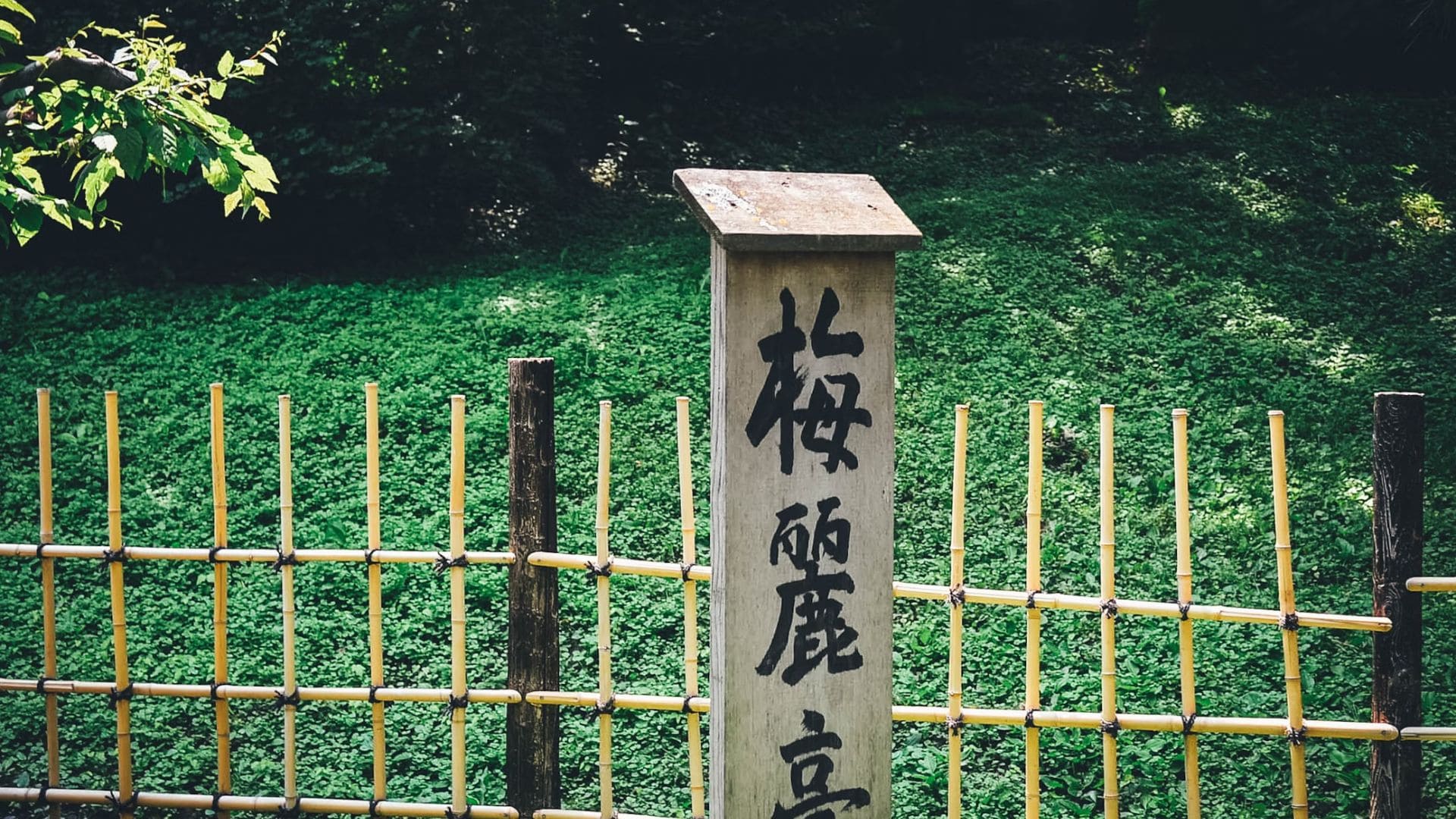
Kyoto is home to some of Japan’s most iconic landmarks, each offering unique opportunities for photography that captures the essence of the city. The Golden Pavilion of Kinkaku-ji, with its shimmering gold leaf exterior reflected in the still waters of the surrounding pond, is a must-photograph location that epitomizes the elegance of Kyoto’s temples. Another iconic view is the Philosopher’s Path, a stone-paved walkway that runs alongside a canal lined with cherry trees, offering a serene and picturesque setting, especially during the cherry blossom season. For a more off-the-beaten-path experience, explore the narrow alleys and hidden shrines of the Higashiyama district, where you can capture the charm of traditional wooden machiya houses and quiet, unassuming temples. The Gion district, with its historic teahouses and the occasional sighting of a geiko or maiko, offers a glimpse into the world of Kyoto’s geisha culture. Whether you’re photographing well-known landmarks or discovering hidden gems, Kyoto’s rich history and cultural heritage provide endless inspiration for your photography.
Night Photography: Capturing the Magic of Kyoto After Dark
Kyoto takes on a different kind of beauty after dark, when the city’s temples, shrines, and streets are illuminated, creating a magical atmosphere that is perfect for night photography. One of the most striking sights is the illuminated Fushimi Inari Shrine, where the torii gates are bathed in soft, golden light, casting long shadows and creating a sense of mystery and wonder. The Kiyomizu-dera Temple is another stunning location for night photography, especially during the special nighttime illuminations held in the spring and autumn, when the temple’s wooden stage and the surrounding trees are lit up, creating a breathtaking scene. The Pontocho Alley, with its lantern-lit streets and traditional wooden buildings, offers a more intimate setting for night photography, capturing the charm and elegance of Kyoto’s historic districts. For a panoramic view of the city, head to the Kyoto Tower, where you can capture the city lights from above, with the distant mountains silhouetted against the night sky. Night photography in Kyoto offers a unique opportunity to capture the city’s beauty in a new light, creating images that are both atmospheric and evocative.

Why Kyoto Will Leave a Lasting Impression
Reflecting on Your Kyoto Journey: Memories and Moments
Kyoto is a city that leaves a lasting impression on all who visit, a place where the past and present coexist in perfect harmony. As you reflect on your journey through this ancient capital, you’ll find that the memories and moments you’ve experienced are as varied and rich as the city itself. Whether it’s the serene beauty of a Zen garden, the intricate details of a traditional tea ceremony, or the vibrant energy of a summer festival, each experience in Kyoto is a chapter in your travel story that you’ll carry with you long after you’ve returned home. The city’s timeless charm, its dedication to preserving its cultural heritage, and the warmth of its people create a sense of connection and belonging that is both profound and enduring. Kyoto is not just a destination; it’s a journey into the heart of Japan, a place that invites you to slow down, immerse yourself in its beauty, and leave with a deeper understanding of what makes this city so special.
Planning Your Next Trip: Kyoto’s Hidden Treasures Await
As you plan your next trip to Kyoto, remember that there is always more to discover in this incredible city. Beyond the well-known landmarks and popular attractions, Kyoto is filled with hidden treasures—small temples tucked away in quiet neighborhoods, secret gardens that only locals know about, and lesser-known festivals that offer a glimpse into the city’s rich traditions. Take the time to explore the less-traveled paths, engage with the local culture, and seek out experiences that are off the beaten path. Whether it’s a secluded hot spring, a charming tea house, or a peaceful stroll along the Kamogawa River, Kyoto’s hidden treasures are waiting to be discovered. Each visit to Kyoto is an opportunity to delve deeper into its history, culture, and natural beauty, creating new memories and moments that will leave you longing to return again and again.