

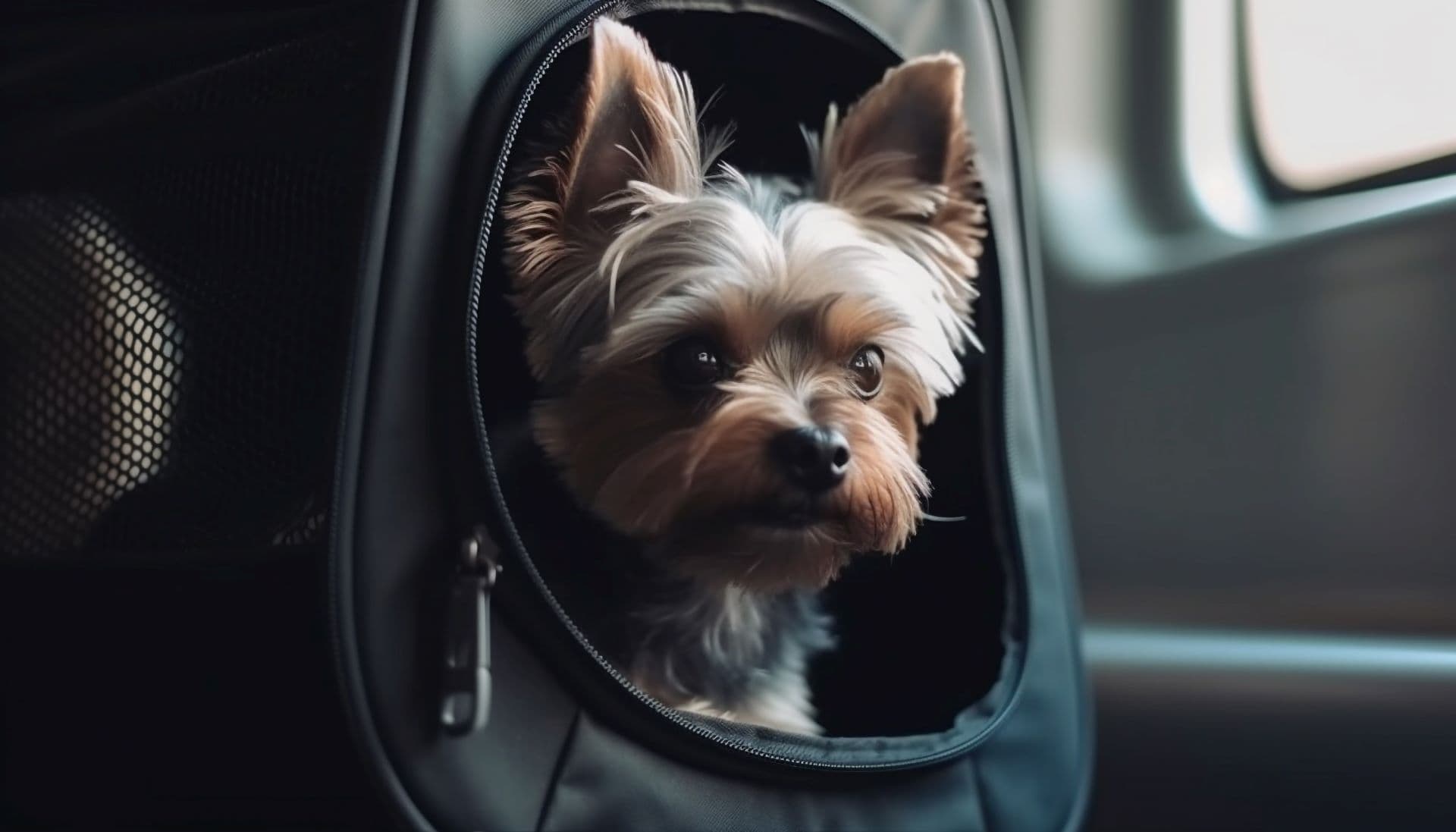
Traveling with a pet is exciting, but when it comes to flying, it’s also an intricate dance of logistics, regulations, and emotional preparation. While the idea of taking your beloved companion along might seem simple—pack them in a carrier and head to the airport—the reality is far more nuanced. From understanding airline policies to reducing in-flight stress, every step matters. For pets, the journey is not just about reaching a destination; it’s about being safe, comfortable, and calm. For owners, it’s about planning, preparation, and peace of mind. This guide dives deep into the complexities of air travel with pets, offering guidance for both first-timers and experienced pet travelers.
Understanding Airline Policies
Every airline treats pets differently. The first, non-negotiable step is to thoroughly research your airline’s rules. Some airlines allow small pets in the cabin if they can fit under the seat in an approved carrier, while others mandate cargo travel for larger animals. Fees vary, as do seasonal restrictions—some airlines prohibit pets during peak summer or winter months due to temperature risks.
International travel adds a layer of complexity. Different countries have distinct rules for vaccinations, microchips, health certificates, and sometimes mandatory quarantine. Even domestic flights often require specific documentation or pre-booking to accommodate pets. Missing a single requirement could result in denied boarding, fines, or even forced quarantine, so meticulous attention to policy details is essential.
Airline communication is key. Calling the airline in advance to clarify rules and confirm your pet’s booking ensures there are no surprises at check-in. Many airlines only allow a limited number of pets per flight, so early planning is critical.
Choosing the Right Carrier
A carrier is more than a container; it’s your pet’s temporary home and comfort zone. Choosing the right one can dramatically reduce stress. For cabin travel, the carrier should be airline-approved, well-ventilated, and spacious enough for your pet to stand, turn, and lie down comfortably. Soft-sided carriers are often preferred for cabin travel because they are flexible and easier to fit under seats. For cargo travel, hard-sided crates with secure locks are mandatory for safety, protection, and proper ventilation.
Introducing the carrier in advance is crucial. Pets need time to acclimate. Place the carrier in your living space days or weeks before travel, line it with familiar bedding, and encourage your pet to explore it. Small treats and toys can make it feel like a safe, rewarding space rather than a cage. A pet comfortable in their carrier is more likely to handle the journey calmly.
Booking Strategically
When it comes to booking flights with pets, timing and flight choice matter. Shorter flights are generally better, as they reduce the duration of stress and the likelihood of mishaps. Direct flights are ideal—each connection increases handling, potential delays, and stress.
Time of day also matters. Early morning or late evening flights are better for hot weather, while mid-morning flights avoid overnight disturbances and unnecessary airport chaos. Informing the airline in advance that you’re traveling with a pet ensures they can provide the necessary accommodations. Some airlines offer specific boarding or cargo handling procedures for animals, which can make a big difference.
Pre-Flight Preparation
Preparation starts long before you reach the airport. A veterinarian visit is essential to ensure your pet is healthy, up-to-date on vaccinations, and fit for travel. Your vet can also advise on strategies to reduce anxiety or motion sickness during the flight. Sedatives should be avoided unless prescribed; they can interfere with breathing, body temperature regulation, and alertness.
Feeding schedules should be managed carefully. A light meal a few hours before departure is optimal—neither too heavy to risk nausea nor too little to cause hunger-related anxiety. Water should be available up to the departure time to prevent dehydration.
Exercise is also important. A walk or play session before the flight can help tire out your pet, increasing the likelihood they will rest during the journey. Mental preparation is equally important—familiarizing your pet with travel routines, such as car rides to the airport, can reduce anxiety on flight day.
Navigating the Airport
Airports are sensory overload for pets. Crowds, loud noises, moving walkways, and unfamiliar smells can create anxiety. Arriving early gives you ample time to check in, complete security procedures, and manage any unexpected issues.
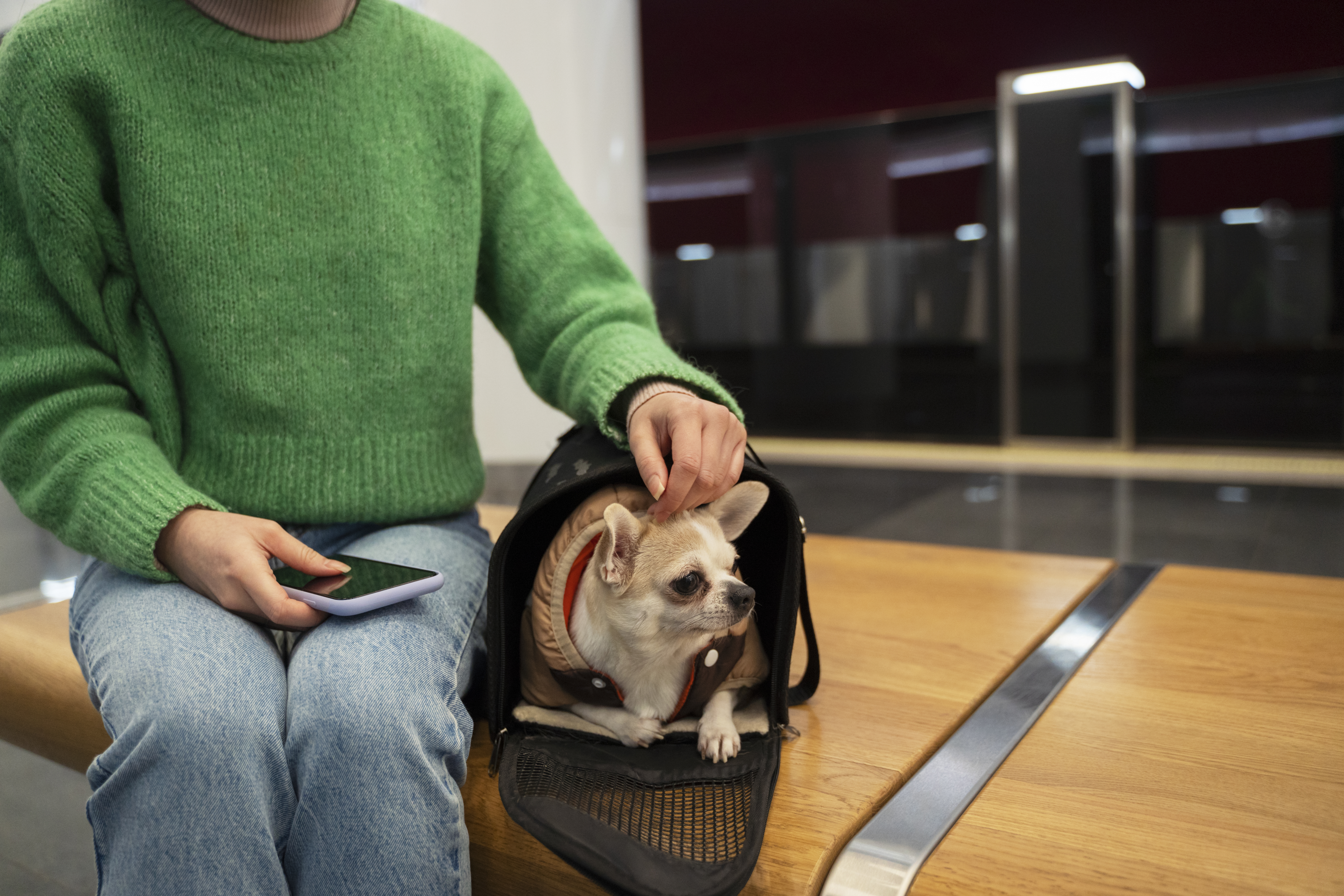
For pets in carriers, security involves screening. Owners usually carry the pet through the metal detector while the carrier goes through an X-ray machine. Keeping a leash on hand helps control the pet during this process. Calm behavior from the owner is crucial; pets pick up on stress, so a composed demeanor helps keep them relaxed.
In-Flight Considerations
During the flight, pets in the cabin should remain in carriers under the seat. Bringing a familiar blanket or toy can provide comfort. Speak softly to your pet occasionally, but avoid opening the carrier mid-flight unless permitted by airline staff.
For pets traveling in cargo, crate labeling is essential. Include your contact information, feeding instructions, and a clear “Live Animal” notice. Some airlines provide temperature-controlled cargo compartments, but checking on your pet’s comfort post-flight is still essential.
Reducing Stress and Anxiety
Air travel is stressful for most pets. Anxiety can manifest as panting, pacing, drooling, or vocalization. Preparation can reduce this. Gradual acclimation to carriers, short trips in the car, and exposure to different sounds and environments can help pets build confidence. Calming pheromone sprays, familiar scents, and natural supplements can reduce anxiety without risking health.
Behavioral conditioning is effective for pets that have never flown before. Rewarding calm behavior and avoiding punishment for anxious actions reinforces positive travel experiences. The more relaxed the pet, the easier the journey for both animal and owner.
Long-Haul Flights and International Travel
Longer flights or international trips bring added complexity. Hydration is crucial. Pets should have access to water through specially designed travel bottles or dispensers in the crate. Feeding schedules may need adjustment to prevent discomfort during extended flights.
Documentation becomes even more important. Many countries require health certificates issued within a specific time frame, proof of vaccinations, and sometimes microchip registration. Missing documents can result in quarantine, fines, or denied entry. Customs and immigration procedures should be planned carefully to minimize waiting time and stress.
Post-Flight Care
After landing, immediate attention to your pet’s needs is critical. Allow them time to hydrate, relieve themselves, and adjust to new surroundings. Observe for signs of stress, dehydration, or illness, especially if the pet traveled in cargo.
Returning to familiar routines—feeding, exercise, and comfort—helps pets transition from the stressful travel environment to normalcy. Patience is key; even calm pets may exhibit signs of post-flight anxiety, such as restlessness or clinginess.
Traveling With Specific Types of Pets
Not all pets handle air travel in the same way. Dogs generally adapt well to carriers if introduced early, but certain breeds with flat faces (brachycephalic breeds) are more susceptible to breathing difficulties and overheating. Cats often experience stress differently, sometimes hiding or vocalizing excessively. Small mammals or birds require specialized carriers and may need additional considerations for temperature and oxygen levels.
Owners of exotic or sensitive pets should consult specialists or airline-approved pet travel services to ensure safety. Each species has unique needs, and understanding them is crucial to a successful journey.
Preparing for Emergencies
Despite careful planning, emergencies can occur. Airlines may have protocols for delays, extreme weather, or medical emergencies. Owners should have a plan for quick access to veterinary care at the destination. Carrying a basic travel pet kit—medical records, medications, water, food, and a leash—can mitigate complications.
Travel insurance that covers pets may also provide peace of mind. While accidents are rare, being prepared for unforeseen circumstances ensures you can respond effectively without panic.
Tips From Experienced Pet Travelers
Veteran pet travelers recommend a combination of preparation and observation. Familiarity with the airline staff, checking in with the gate crew about pet handling, and maintaining a calm environment for the pet can reduce stress significantly. Some owners use carrier covers to create a dark, quiet environment, while others prefer leaving the crate open slightly to allow airflow and visibility.
Travel routines help pets feel secure. Short trial flights or car trips with the carrier before the actual journey can simulate travel conditions, helping the animal adapt gradually. Rewarding calm behavior consistently reinforces positive associations with travel.
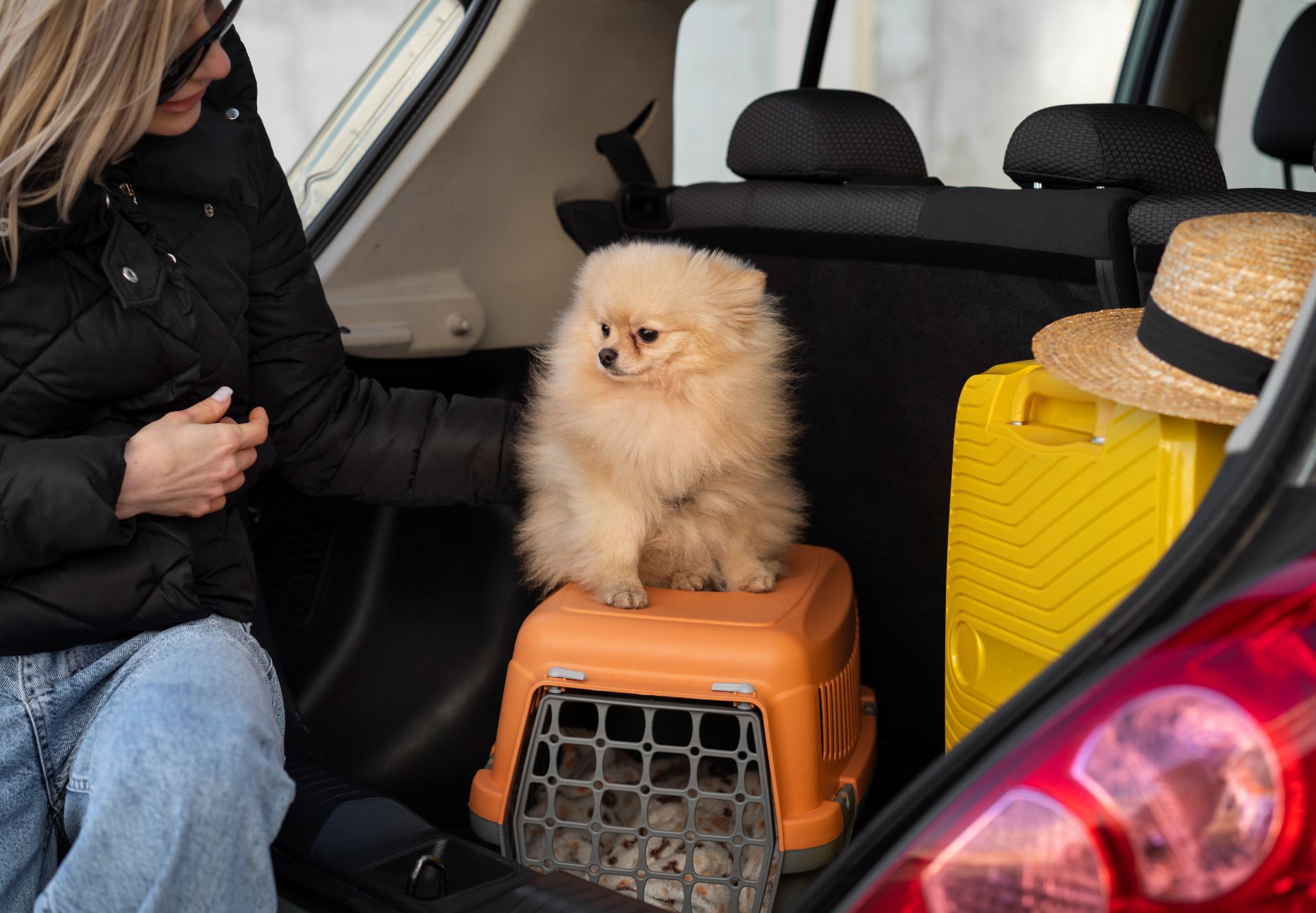
Flying with pets requires attention to detail, patience, and a deep understanding of both your animal and airline regulations. Every stage—from booking and preparation to navigating the airport and post-flight care—impacts the safety and comfort of your companion. Thoughtful preparation can turn an overwhelming experience into an opportunity for shared adventure, strengthening the bond between pet and owner.
By respecting airline rules, investing in the right carrier, and implementing strategies to reduce stress, traveling with pets becomes manageable, even enjoyable. The key is preparation, observation, and empathy—considering not only where you’re going, but how your pet will experience the journey. When handled correctly, air travel can be a safe and memorable part of your adventures together, ensuring that every trip ends with happy, wagging tails or gentle purrs of contentment.