
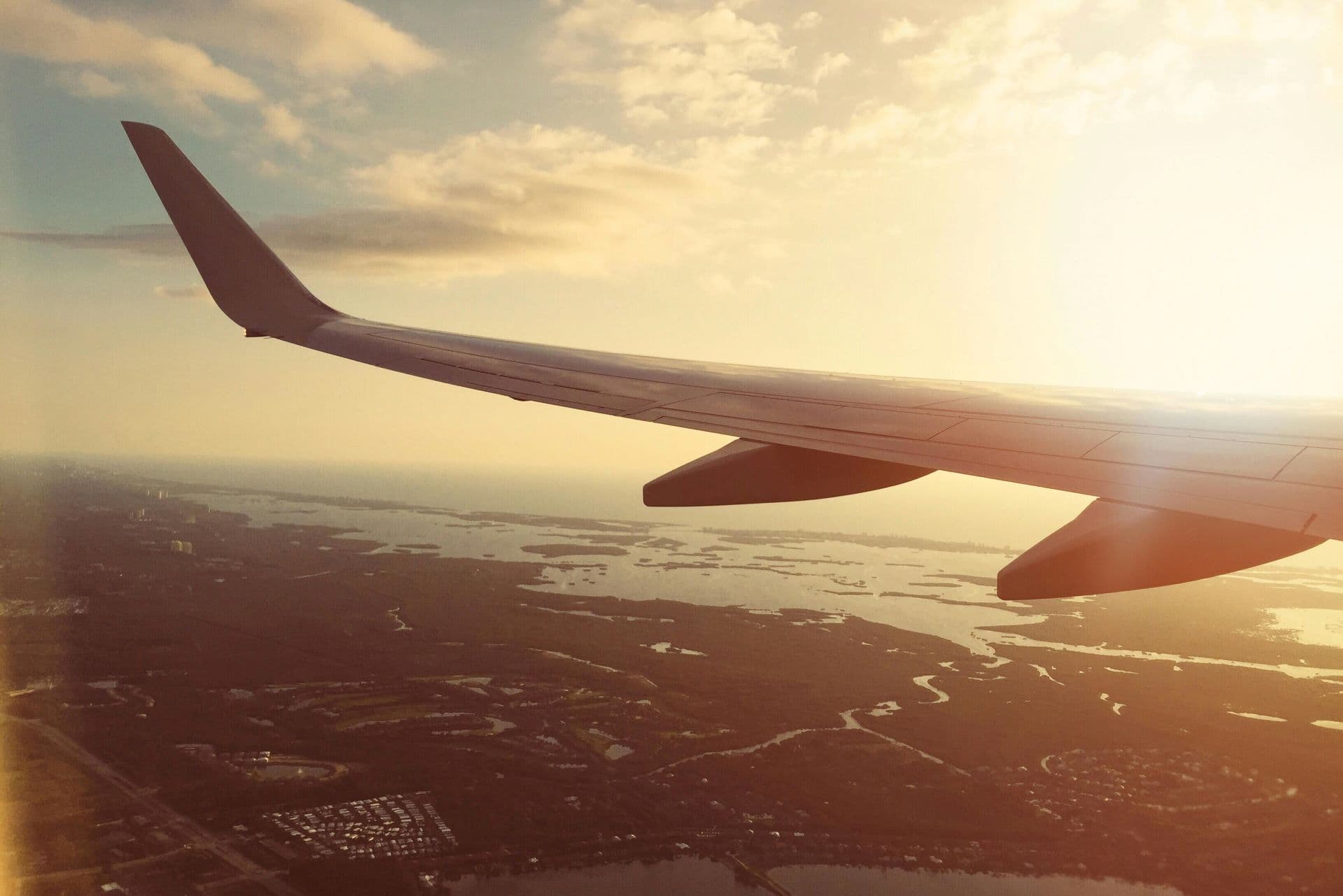
Commercial aviation is no longer sold only through route networks, pricing strategies and traditional advertising. The modern passenger lives inside a digital theatre of wanderlust, scrolling through sunlit cabin windows, airport lounges and mountain skylines framed inside the glowing rectangle of a smartphone.
Travel influencers have become unofficial ambassadors for airline tourism. Their work is not simply promotional. It is behavioural marketing performed through narrative, lifestyle signalling and the delicate choreography of sponsored authenticity.
Airlines have always sold emotion disguised as transportation. What has changed is the storyteller.
Platforms such as Instagram, YouTube and TikTok now function as secondary distribution channels for tourism experiences. Behind many of these stories are partnerships between carriers and digital personalities who translate brand value into social currency.
For airlines like South African Airways, influencer collaboration represents a method of reaching younger audiences who are often less responsive to traditional aviation advertising.
The rise of travel influencers is not accidental. It reflects a broader shift in how people evaluate credibility, experience and commercial intent online.
Sponsored Travel and the Architecture of Influence
Sponsored travel sits at the heart of influencer airline marketing. In its simplest form, it involves airlines or tourism boards providing flights, accommodation or experiential access in exchange for content creation.
However, modern sponsored travel is more complex than product placement.
The most successful campaigns do not feel like marketing. They feel like documentation of lived experience.
The difference lies in narrative integration.
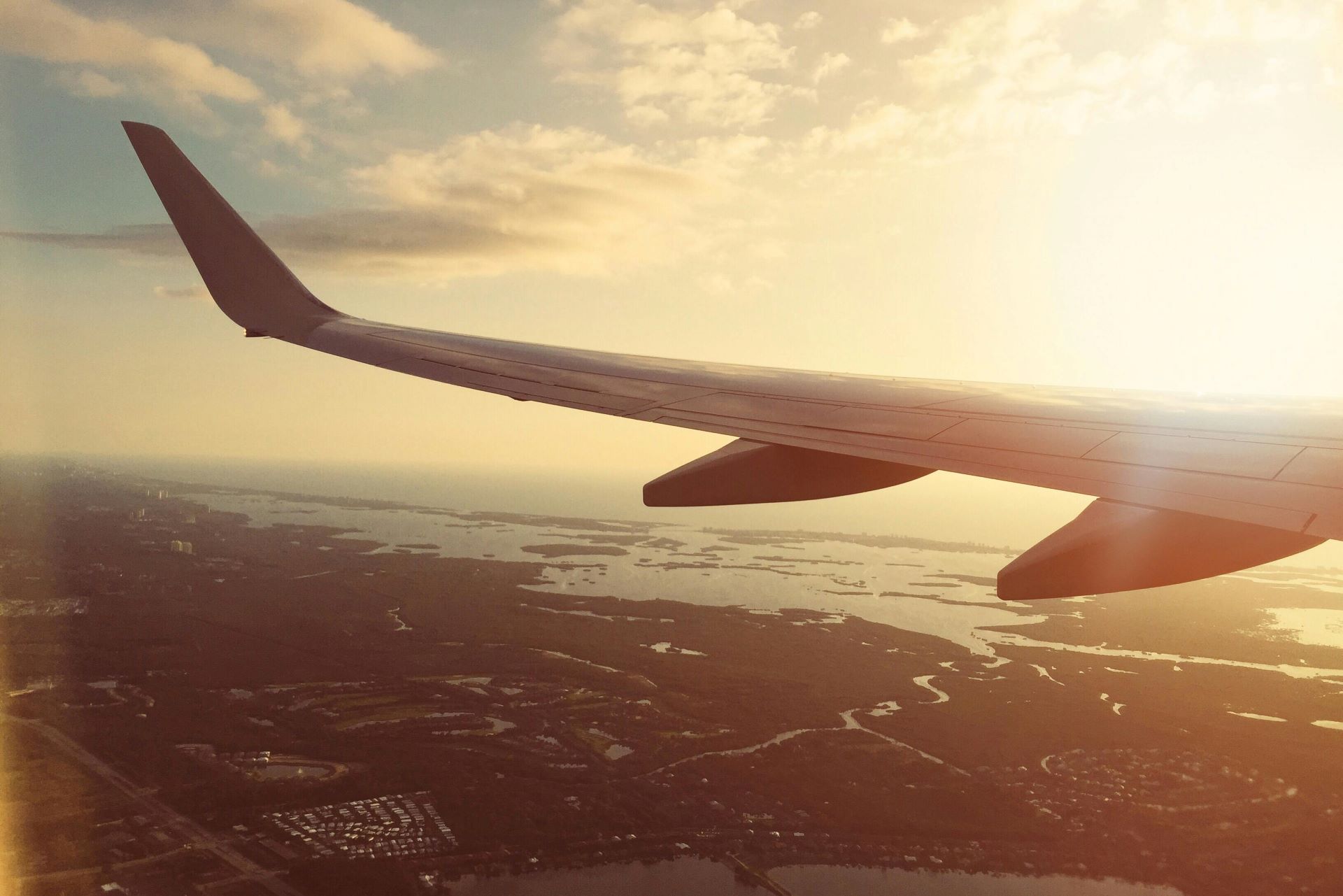
When a travel influencer posts a video from an aircraft window, the viewer is not seeing a ticket sale. They are seeing a possibility. The emotional promise of movement, freedom and discovery is wrapped inside the casual intimacy of a vlog.
Companies such as Meta Platforms have refined advertising ecosystems that allow sponsored travel content to blend into organic feeds. This creates a marketing paradox: the audience knows the content is paid, yet continues to engage if the storytelling feels honest.
The psychology behind this behaviour is rooted in social proof. When a traveller sees someone similar to themselves enjoying a flight experience, the airline becomes less of a corporate entity and more of a lifestyle facilitator.
Influencers are therefore not selling seats. They are selling belonging.
Consumer Trust: The Fragile Currency of Digital Tourism
Trust is the most valuable and fragile commodity in influencer marketing.
Airline consumers are particularly sensitive to authenticity because air travel involves safety, cost and emotional investment.
If an influencer’s content appears overly scripted, viewers may perceive the partnership as manipulative. Travel audiences are surprisingly adept at detecting what feels like advertisement theatre.
Research trends across digital tourism marketing show that audiences respond better when sponsored travel is disclosed openly and integrated naturally into storytelling.
The most trusted influencers maintain three behavioural signals:
• Transparent sponsorship tagging
• Honest commentary about service experience
• Inclusion of minor imperfections in storytelling
Interestingly, content that shows small inconveniences often performs better than overly polished promotion.
For example, a travel vlog that includes long boarding queues or a delayed departure can paradoxically increase credibility. The audience interprets honesty as social integrity.
Platforms powered by algorithms from companies like ByteDance reward watch time and engagement rather than perfection.
This encourages influencers to craft narratives that feel human rather than corporate.
The Airline Experience as Social Performance
Air travel is inherently theatrical.
Passengers become performers the moment they enter the airport terminal. They carry luggage as symbolic extensions of identity while moving through a carefully designed spatial environment.
Influencers amplify this theatricality.
Boarding shots, cabin lighting, meal trays, and runway takeoffs become cinematic frames of travel aspiration.
For airlines, the interior of an aircraft is no longer just a transport environment but a storytelling stage.
Cabin design, seat ergonomics and in-flight entertainment are therefore not only operational considerations but marketing assets.
Premium cabin experiences are especially suited to influencer marketing because they visually communicate exclusivity.
Luxury travellers are motivated by prestige signalling as much as comfort. When influencers document business-class seating, lounge access and personalised service, they reinforce the psychological narrative of social elevation.
Micro-Influencers Versus Celebrity Influencers
Not all digital personalities carry equal marketing weight.
Large celebrity influencers deliver massive reach but often lower engagement ratios. Micro-influencers, on the other hand, generate tighter community trust.
In airline tourism, micro-influencers often outperform celebrity campaigns in conversion behaviour.
A travel micro-influencer might have a following between 20,000 and 200,000 users but maintain highly interactive audience relationships.
Their content usually focuses on practical travel insights such as:
Boarding procedures
Baggage policies
Seat comfort comparisons
Airport navigation tips
Meal quality assessments
These details are important because many potential passengers are still anxious about the logistics of air travel.
Commercial aviation is not a spontaneous purchase for most consumers. It is a planned investment decision.
Storytelling Formats That Drive Airline Bookings
The effectiveness of travel influencers depends heavily on format.
Long-form travel vlogs remain powerful on YouTube because they simulate the experience of travelling with the influencer.
Short-form content dominates discovery traffic on platforms like TikTok and Instagram Reels.
The most successful airline tourism content typically combines three layers:
First, the emotional hook. This appears within the first five seconds of a video.
Examples include cabin window views, airport sunrise shots or boarding announcements.
Second, the practical value layer.
This might include commentary about legroom, service quality or flight duration.
Third, the lifestyle outcome.
The viewer must imagine themselves arriving at the destination rather than simply watching the journey.
Influencers who master this structure tend to generate stronger booking intent signals.
Sponsored Travel Ethics and Disclosure Transparency
Regulatory pressure has increased globally around sponsored content.
Consumers want clarity about commercial relationships.
Responsible influencer marketing requires visible disclosure that content is sponsored or partnership-based.
Transparent disclosure does not necessarily reduce engagement. In many cases it strengthens trust because audiences appreciate honesty.
Airlines that enforce ethical influencer guidelines tend to experience longer-term brand loyalty effects.
The aviation industry operates in a high-risk trust environment. Safety perceptions and service expectations are directly connected to brand reputation.
If an influencer promotes an airline experience without clear disclosure, any later discovery of hidden sponsorship can damage both the influencer and the airline brand.
Destination Marketing Through Airline Partnerships
Influencers rarely promote flights alone.
Airline marketing campaigns often integrate destination tourism boards, hotel partners and local experiences.
This ecosystem approach reflects the reality that passengers do not buy transportation in isolation. They buy journeys.
For example, a flight campaign might simultaneously showcase:
The airline’s cabin service
The destination’s cultural attractions
Local cuisine
Outdoor adventure opportunities
This multi-layered marketing model is especially useful for long-haul tourism routes.
Conversion Metrics That Matter Beyond Likes
Airline marketers are increasingly moving beyond vanity metrics.
The important performance indicators include:
• Click-through rate from influencer posts to booking pages
• Promotional code redemption frequency
• Direct search volume increase after campaign launch
• Route-specific passenger growth
• Customer lifetime value of influenced travellers
A campaign that generates millions of views but no measurable booking behaviour is ultimately decorative rather than commercial.
Modern influencer contracts often include performance-based compensation linked to measurable booking outcomes.
The Role of Influencers in Post-Pandemic Aviation Recovery
The global aviation sector experienced unprecedented disruption during the pandemic period.
Travel influencers played a subtle psychological role in restoring confidence in air travel.
Content that demonstrated health protocols, cleanliness standards and safety procedures helped reduce passenger anxiety.
People often trust lived visual evidence more than corporate safety statements.
Airlines that collaborated with influencers during recovery phases benefited from early demand reactivation.
Risks and Vulnerabilities in Influencer Airline Marketing
Despite its advantages, influencer marketing carries several risks.
Reputation risk is the most significant.
If an influencer becomes involved in controversy, the associated airline brand may suffer indirect reputational damage.
Audience fatigue is another challenge. Overexposure to sponsored travel content can reduce authenticity perception.
There is also platform dependency risk.
Algorithmic changes on social media platforms can suddenly reduce organic reach, forcing brands to rely more heavily on paid amplification.
The Future of Influencer-Driven Airline Tourism
The next evolution of travel marketing is likely to merge digital and physical experiences.
Virtual reality previews of flights and destinations may become part of marketing pipelines, especially as immersive technology matures.
Personalised influencer content is also expected to grow.
Instead of generic campaigns, airlines may commission influencers to produce content targeted at specific audience segments such as business travellers, adventure tourists or family vacationers.
Loyalty programmes may eventually integrate with influencer ecosystems, offering digital rewards triggered by social engagement behaviour.
The long-term vision of airline tourism marketing is a hybrid world where storytelling, booking technology and social identity converge.
Final Thoughts: Influence as the New Flight Path
Travel influencers have transformed airline tourism from a transactional industry into a narrative economy.
Passengers are no longer buying a seat alone. They are purchasing symbolic arrival into experiences shaped by culture, emotion and social belonging.
Sponsored travel, when executed with transparency and storytelling skill, becomes less about persuasion and more about shared imagination.
The future of commercial aviation marketing will belong to brands and creators who understand that the journey itself is the advertisement.
In that sense, the aircraft is not merely crossing the sky. It is carrying stories, aspirations and digital dreams stitched quietly into the clouds.
And somewhere below the wing, a viewer scrolls, pauses, and begins planning their own departure.