

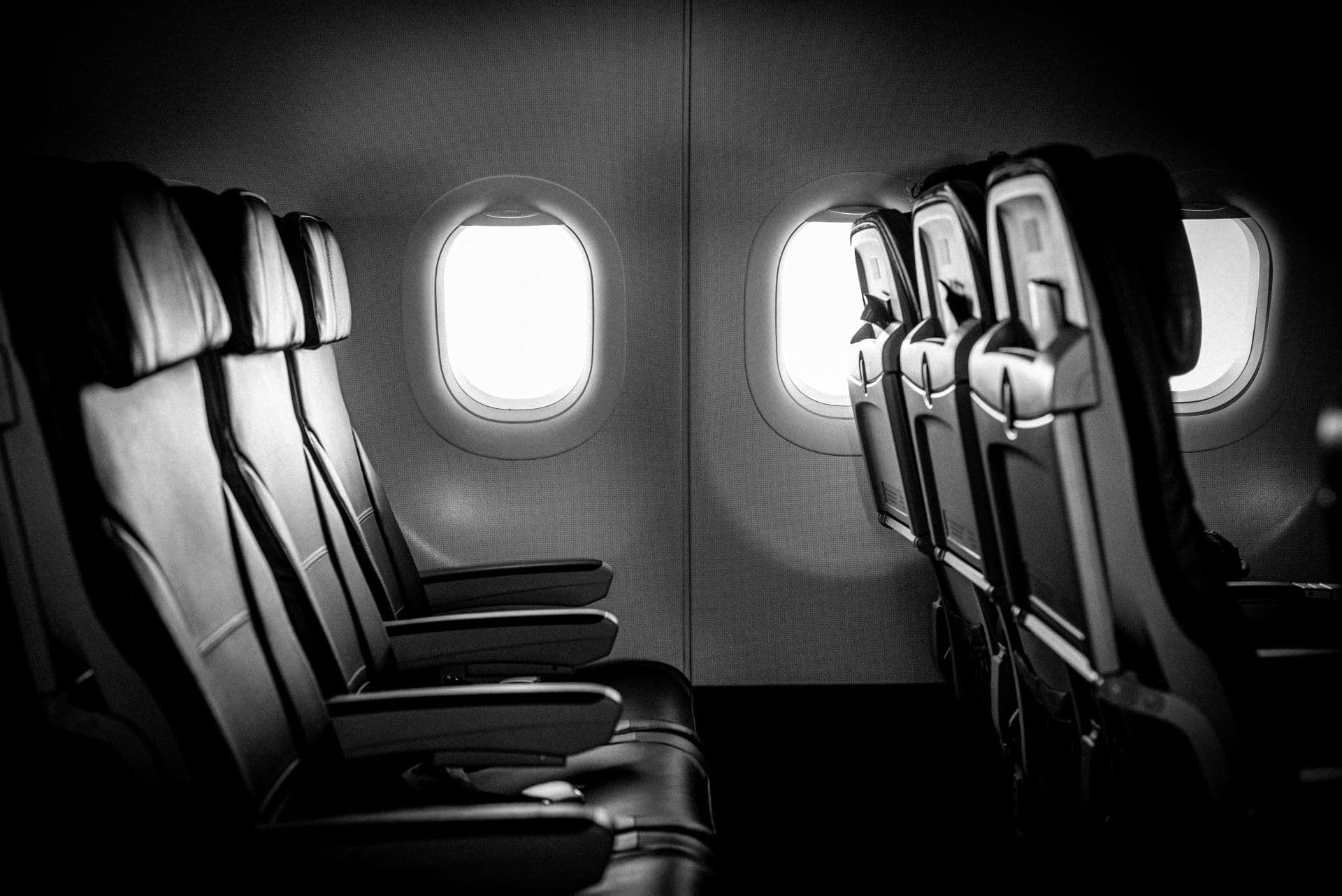
Air travel has quietly evolved into a layered hospitality ecosystem floating several thousand feet above the earth’s surface. Modern commercial aviation no longer simply moves passengers from one city to another. Instead, it offers a spectrum of experiences built around comfort, service quality, and price sensitivity.
The hierarchy of flight classes exists because travellers do not share identical priorities. Some passengers pursue the lowest possible fare because travel is primarily functional. Others are willing to pay more for space, privacy, or gourmet dining that transforms a long-haul flight into something closer to a suspended hotel stay.
Airlines structure their cabins like concentric comfort zones. The outermost ring serves cost-conscious travellers, while the inner rings gradually increase luxury, exclusivity, and personalized attention.
For tourism marketing and consumer awareness, understanding these distinctions helps travellers make better purchasing decisions. It also clarifies why ticket prices can vary dramatically even on the same aircraft.
Major global carriers demonstrate this segmentation clearly. For example, Emirates (airline), Singapore Airlines, and Qatar Airways have built reputations around premium cabin experiences, while budget segments remain fiercely competitive in global aviation markets.
The Economics Behind Flight Class Design
The commercial airline industry operates on yield management rather than uniform pricing. Each seat represents a unique microproduct sold to a different buyer at a different price point.
Low-cost travellers tend to prioritize destination access over comfort. Business travellers usually trade money for time efficiency and workspace functionality. Luxury travellers, meanwhile, pay for exclusivity, privacy, and elevated service culture.
Carriers like British Airways and South African Airways historically built their brand identities around a balance between premium international service and mass market accessibility.
The cost difference between classes does not arise only from physical seat features. It also reflects operational expenses. Premium cabins occupy more floor space per passenger, require specialized catering, and involve additional cabin crew attention.
On long international routes, premium class passengers may effectively pay for a suite-like travel environment rather than a simple transportation seat.
Tourism researchers often observe that passengers purchasing higher classes are less price-sensitive but more quality-sensitive. They may evaluate airlines based on punctuality, comfort consistency, and service reputation rather than absolute ticket cost.
Economy Class: Functional Travel for the Modern Tourist
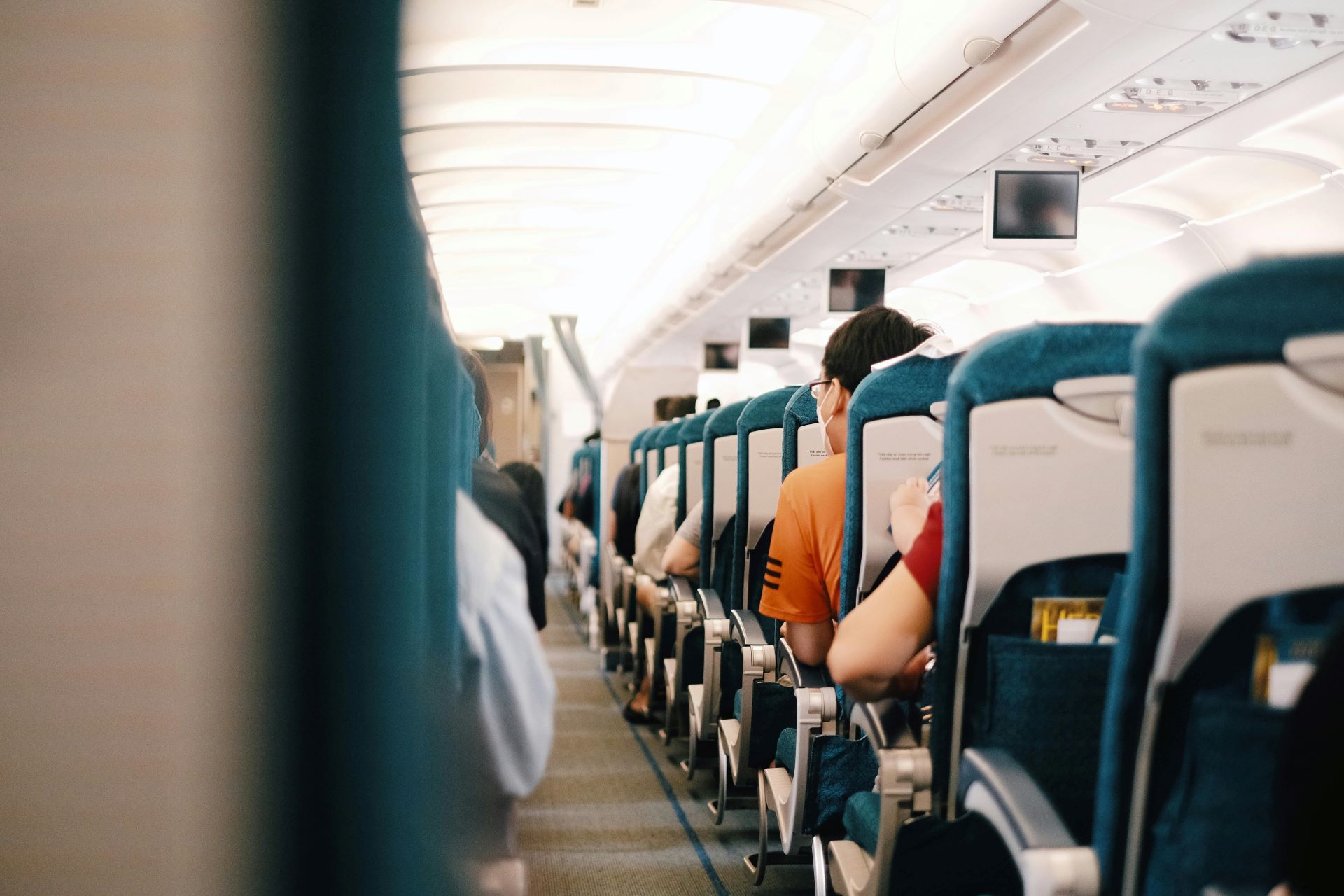
Economy class remains the backbone of commercial aviation tourism. It exists for travellers who value mobility over indulgence.
Seat pitch in economy cabins typically ranges between 28 and 34 inches depending on aircraft configuration. This measurement determines legroom and overall seating comfort. Airlines operating on high-density leisure routes may lean toward tighter configurations, while premium leisure carriers often provide slightly more generous spacing.
Modern economy cabins are not entirely Spartan. Many long-haul aircraft now include personal entertainment screens, USB charging ports, and adjustable headrests.
For instance, economy passengers flying with Singapore Airlines often report above-average comfort compared to global standards due to ergonomic seat design and consistent service quality.
Food service in economy class is generally standardized. Meals are pre-planned to optimize mass preparation and minimize cabin disruption. Beverage choices are usually limited but adequate for long-haul travel.
Baggage allowance policies strongly influence perceived value in economy travel. Some airlines offer one checked bag plus cabin baggage, while others follow ultra-light pricing models that separate baggage fees from ticket cost.
Low-cost carriers, which dominate short-haul tourism corridors, often adopt a modular pricing philosophy. The base ticket grants transportation only, while additional comfort features are sold separately.
From a tourism perspective, economy class enables mass mobility. Without it, international tourism would remain a niche activity reserved for wealthier travellers.
Premium Economy: The Middle Ground of Comfort Tourism
Premium economy is aviation’s diplomatic compromise between cost efficiency and comfort ambition.
This class emerged as a response to travellers who found economy travel increasingly restrictive but were unwilling to pay business class prices.
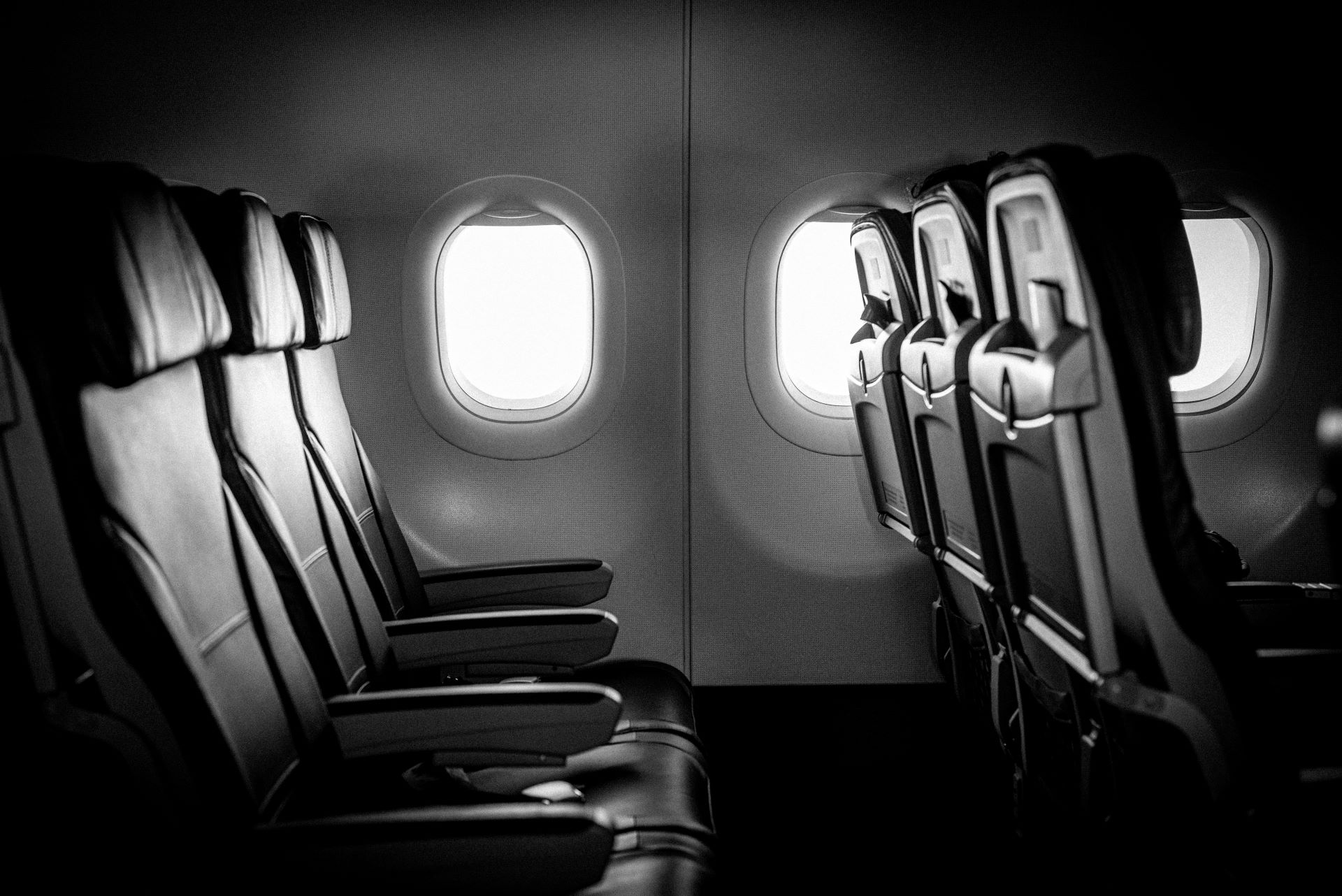
Passengers in premium economy typically enjoy wider seats, increased legroom, and enhanced recline angles. The cabin is usually located between economy and business sections, creating a quieter travel microenvironment.
Carriers such as British Airways offer premium economy cabins that include priority boarding and improved meal service.
The meal presentation is noticeably upgraded compared to standard economy. Instead of tray-style distribution, premium economy may feature simplified restaurant-style plating and expanded beverage options.
Entertainment systems often include larger screens or improved headphone quality. Some airlines provide amenity kits containing basic comfort items such as eye masks and moisturizers.
Premium economy is particularly popular on long intercontinental tourism routes because it reduces fatigue without doubling travel cost.
The psychological value of premium economy should not be underestimated. Travellers often perceive it as a “respectable upgrade” that signals social and personal comfort without entering luxury pricing territory.
Business Class: Productivity Meets Comfort
Business class represents the intersection of professional efficiency and elevated hospitality.
This cabin is especially attractive to corporate travellers and high-income tourists who value productive travel time.
Modern business class seating has undergone remarkable engineering evolution. Many airlines now use fully lie-flat seats that transform into horizontal sleeping surfaces during night flights.
Qatar Airways is widely recognized for its advanced business class configuration, often incorporating privacy partitions and direct aisle access.
Work functionality is a central feature. Business class passengers usually receive dedicated power outlets, larger meal tables, and sometimes onboard Wi-Fi connectivity.
Dining in business class resembles a restaurant service rather than bulk catering. Menus are curated, and passengers may select meals from multiple courses.
Service interaction is also more personalized. Cabin crew may address passengers by name when possible and offer proactive comfort assistance.
Airport experience improvements are equally significant. Business class travellers often enjoy priority check-in counters, fast-track security lanes, and exclusive lounge access.
For example, the premium lounges operated by Emirates (airline) offer shower facilities, buffet dining, and quiet working spaces for transit passengers.
Business class pricing reflects a complex balance between luxury and corporate expense tolerance.
First Class: The Pinnacle of Commercial Aviation Luxury
First class represents the most exclusive layer of commercial airline hierarchy.
Not all airlines offer first class cabins because the market demand is relatively small compared to economy and business segments.
First class passengers often experience near-hotel-level service. Some airlines provide enclosed suites with sliding doors, allowing travellers to create private airborne rooms.
The flagship first class experience of Singapore Airlines includes ultra-wide seats convertible into fully flat beds with premium bedding.
Catering standards reach haute cuisine territory. Meals may be prepared using fine ingredients and presented in multi-course sequences.
Wine selections are often curated by professional sommeliers, particularly on long-haul international routes.
Personal space is the defining characteristic of first class travel. Instead of shared cabin ambience, passengers experience controlled privacy zones.
Ground services are equally extraordinary. Some airlines provide dedicated chauffeur transfers and private terminal check-in services.
The cost difference between business and first class can be dramatic. In some cases, first class fares may exceed business class fares by several multiples.
However, the experiential gap is equally large. First class travel attempts to remove every friction point associated with commercial aviation.
Amenities Comparison Across Classes
Amenities function as the primary differentiator between cabin hierarchies.
Economy class focuses on core functionality: transportation, basic comfort, and entertainment accessibility.
Premium economy introduces spatial comfort and minor service enhancements.
Business class adds productivity infrastructure such as workspace design, improved dining, and privacy considerations.
First class elevates amenities into lifestyle luxury.
Seat configuration is the most visible distinction. Economy seats are compact, premium economy seats are widened, business class seats often convert into beds, and first class suites approach enclosed apartment-style design.
Meal quality follows a similar gradient.
In economy, meals are standardized and optimized for efficiency.
Premium economy improves presentation.
Business class introduces customization and restaurant-inspired service.
First class may offer chef-designed dining experiences.
Entertainment systems also scale upward. Screen size, headphone quality, and content selection tend to improve as class level increases.
Passenger Experience Psychology
The decision to upgrade cabin class is not purely rational. It often involves emotional comfort, social signaling, and fatigue management.
Long-distance tourism travellers may choose business or premium economy simply to reduce jet lag severity.
Business travellers frequently justify upgrades based on productivity. The ability to work, rest, and arrive prepared can offset ticket price differences.
Luxury travellers often associate premium cabins with brand prestige. Flying with carriers such as British Airways or Emirates (airline) can be perceived as part of the travel experience itself.
Route Length and Class Selection
Flight duration heavily influences class purchasing behaviour.
On short domestic routes, travellers usually prioritize price efficiency. Comfort differences become less meaningful when flight time is under two hours.
On intercontinental tourism routes, cabin comfort becomes strategically important.
Passengers flying between distant tourism hubs often evaluate cabin class as part of overall travel wellness planning.
Long overnight flights especially increase demand for lie-flat seating and privacy features.
Airlines adjust class configuration based on route profitability and passenger demographics.
The Role of Technology in Modern Cabins
Technology is gradually erasing traditional comfort boundaries.
High-speed satellite connectivity allows passengers to remain digitally active during flight.
Advanced cabin climate control systems maintain stable temperature and humidity conditions.
Interactive entertainment platforms provide streaming libraries, games, and sometimes live information feeds.
Some airlines are experimenting with biometric boarding systems and personalized cabin lighting.
The future of commercial flight classes may include adaptive seating materials and AI-assisted service interaction.
Choosing the Right Flight Class for Tourism Travel
Selecting a flight class should balance budget reality with travel purpose.
Leisure tourists often prioritize cost efficiency when visiting destinations where they will spend more time on ground experiences.
Business travellers may prioritize productivity features over fare savings.
Families travelling together may choose premium economy because it offers improved comfort without premium pricing.
Frequent flyers sometimes accumulate loyalty rewards that allow class upgrades without direct payment.
Tourism planners recommend evaluating three factors before booking:
Flight duration
Personal comfort tolerance
Budget flexibility
The Future of Commercial Flight Classes
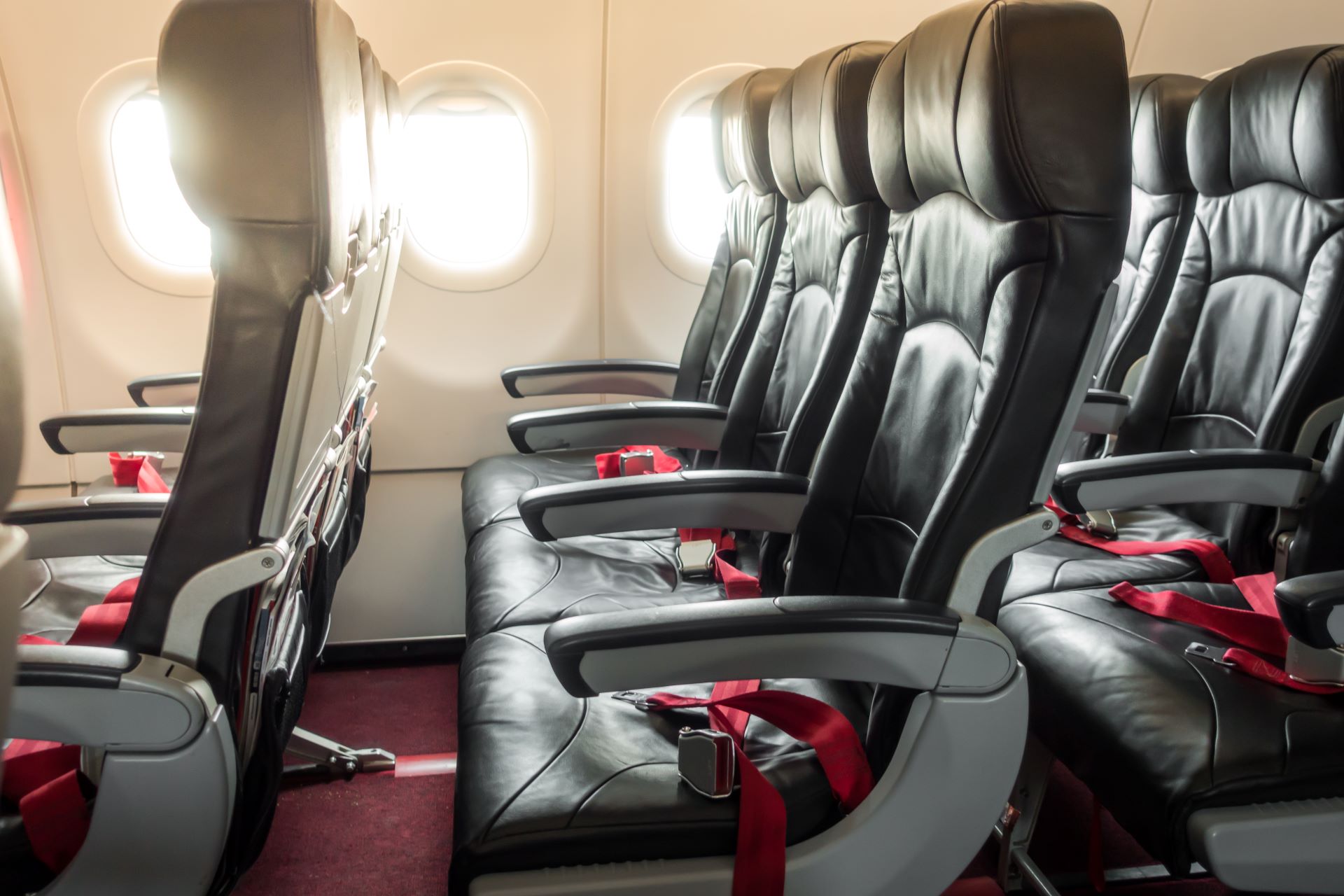
The aviation industry continues to experiment with cabin segmentation.
Some analysts predict the emergence of hybrid comfort classes that blur the line between premium economy and business seating.
Sustainability pressures may also influence cabin design as airlines optimize fuel efficiency by balancing passenger density and comfort.
Tourism demand from emerging markets will likely shape future class configurations.
Carriers will compete not only on price but on experiential quality.
Flight class hierarchies are more than pricing categories. They represent different philosophies of travel experience within commercial aviation tourism.
Economy class ensures global mobility remains accessible. Premium economy bridges comfort and affordability. Business class merges productivity with hospitality. First class transforms air travel into a private luxury journey.
Understanding these layers helps travellers align their financial capacity with their comfort expectations. As aviation technology and service design continue to evolve, the boundaries between classes may soften, but the principle of differentiated experience will remain the guiding star of commercial flight tourism.