

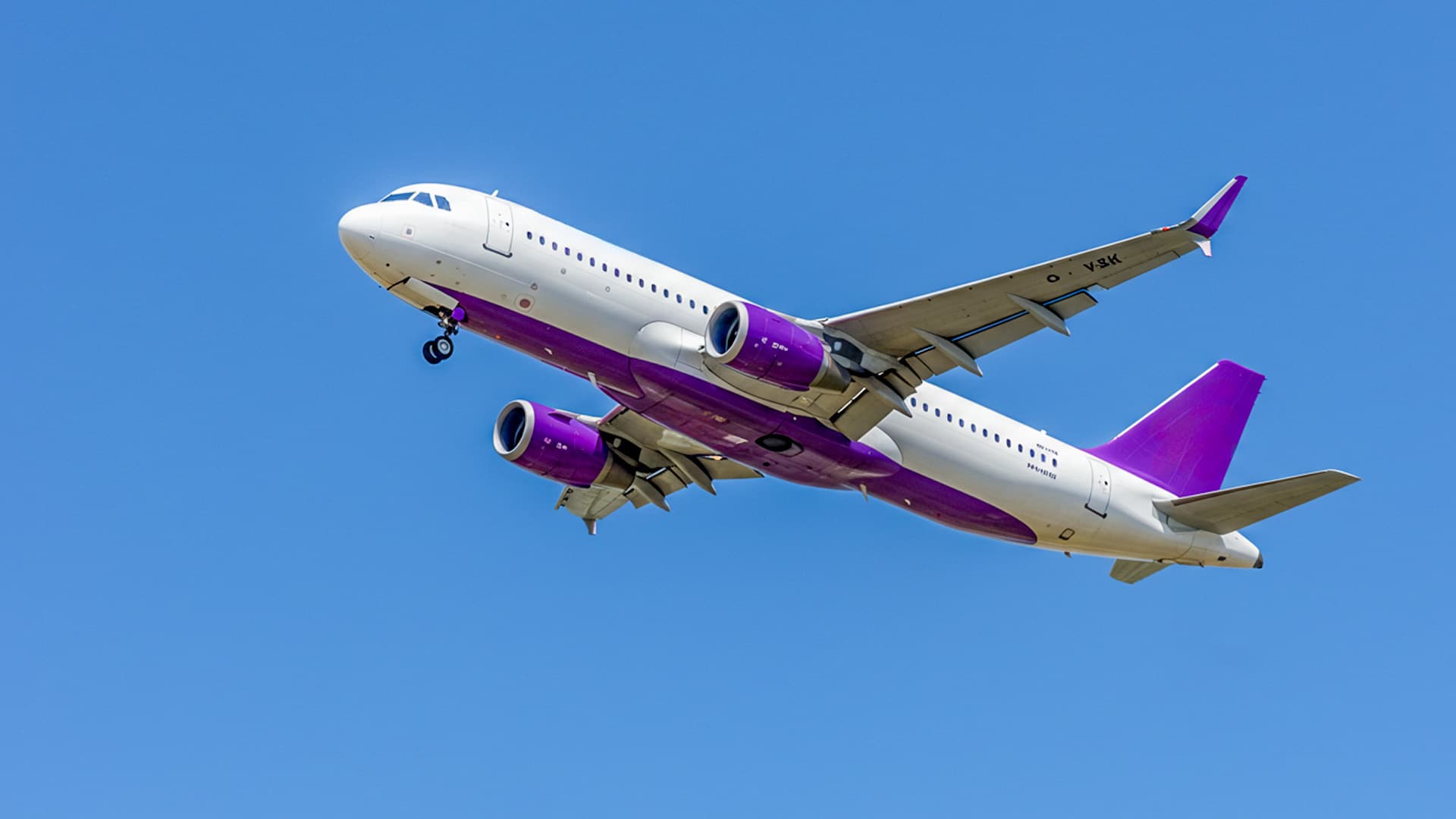
Shifting Skies in Global Aviation
Air travel in 2025 looks like a chessboard where every move by budget carriers or legacy airlines reshapes the rules of engagement. The once-clear boundary between a low-cost flight and a full-service journey has blurred into a spectrum of choices, with passengers weighing comfort, speed, loyalty perks, and pricing against one another. A traveler booking a ticket today might find themselves comparing the stripped-down efficiency of a no-frills seat to the indulgence of a premium cabin, both now adapting to a world of volatile fuel prices, climate regulations, and ever-changing consumer expectations. The competition is no longer about who can simply fly passengers from point A to point B—it’s about who can choreograph the experience in a way that feels like value, whether that’s minimalism or opulence.
Pricing Wars and Perception Battles
The Allure of the Cheap Seat
Imagine a college student in Madrid, scrolling late at night for a flight to Berlin. The search results reveal fares so low they could be mistaken for train tickets. This is the siren call of the low-cost carrier: democratized access to air travel. By stripping away “extras” and making even water a purchasable commodity, these airlines have mastered the art of presenting a tantalizing headline price. For many travelers, particularly younger generations and budget-conscious families, the arithmetic is irresistible. They accept the discomfort of a tight seat pitch in exchange for the possibility of more frequent adventures.
But there’s a twist—what begins as a bargain can end up costlier once add-ons are tallied: baggage, seat selection, boarding priority. The psychology is akin to a low sticker price on a car that requires aftermarket essentials. Passengers increasingly recognize this, yet many still embrace the transparency of choice. In 2025, the conversation around pricing has evolved into a delicate dance between perceived fairness and actual expenditure, and the airlines who balance this best are the ones expanding their loyal base.
Full-Service Pricing Strategies
Legacy carriers are no longer pretending they can simply charge more because of tradition. Instead, they reframe pricing as a holistic proposition. That $350 ticket might include baggage, in-flight meals, seatback screens, and loyalty points that accumulate toward future upgrades. For the business traveler, this package is not luxury but utility: minimizing decision fatigue and ensuring predictability. Full-service airlines position themselves as the equivalent of an all-inclusive resort—what you see is what you get, with fewer transactional interruptions along the way.
The real test is whether travelers still value bundled comfort in a world conditioned by à la carte everything. Many do, particularly those whose time is money and who dread being nickel-and-dimed. In effect, full-service carriers are betting on consumer exhaustion—on the idea that people will pay a premium to avoid the cognitive load of constant micro-decisions. In 2025, this subtle psychological edge helps them retain market share even as budget rivals flood the skies with bargain offers.
Price Elasticity in Times of Uncertainty
Global fuel markets, inflationary pressures, and environmental surcharges have made pricing in aviation less predictable than ever. Low-cost carriers, once agile in passing costs to passengers, now face backlash when surcharges erode their affordability edge. Meanwhile, full-service carriers are experimenting with dynamic models, leveraging loyalty ecosystems to shield passengers from sticker shock. This is where elasticity—the willingness of travelers to absorb price shifts—becomes a litmus test for resilience.
For instance, during sudden fuel price spikes in early 2025, many low-cost airlines saw a sharp decline in discretionary bookings, while legacy carriers softened the impact by offering bundled fare-lock guarantees through loyalty apps. The divergence underscores a broader truth: adaptability is not just operational but psychological. In pricing battles, winning airlines are those who make volatility feel less like turbulence and more like a gentle shift in headwinds.

Service Evolution: Beyond Snacks and Seats
Redefining the Onboard Experience
Gone are the days when the difference between carriers was just peanuts versus a plated meal. In 2025, service is measured in bandwidth, ergonomics, and personalization. Low-cost carriers experiment with ad-supported Wi-Fi portals, transforming planes into airborne marketplaces where entertainment is free but peppered with commercial nudges. Full-service airlines, by contrast, pursue seamless immersion, offering curated streaming libraries, wellness-focused seat lighting, and AI-driven meal personalization. The divergence mirrors streaming wars on the ground: subscription-style indulgence versus free but ad-heavy alternatives.
Passengers now judge service not merely by what’s provided but by how unobtrusive it feels. A glitchy screen or absent charging port can sour an experience more than the absence of a hot meal. For low-cost carriers, the risk is being seen as cheap in both price and quality. For legacy airlines, the challenge is preventing their “premium” label from drifting into pretension. Both camps are learning that in the attention economy, smoothness often trumps opulence.
The Rise of Ancillary Service Ecosystems
Low-cost carriers no longer think of themselves as airlines alone. They are ecosystems. Booking a ticket often opens gateways to bundled hotel stays, rental cars, and even streaming partnerships. Think of it as a budget airline doubling as a travel agency, monetizing every step of the journey. This diversification shields them against thin profit margins on airfare while deepening consumer entanglement. The brand becomes less about the wings and more about the web of services surrounding the flight.
Full-service carriers, on the other hand, build upon decades of loyalty alliances. Their ecosystems revolve around points, elite tiers, and credit card partnerships. The traveler who books a business-class seat may simultaneously unlock lounge access, extra baggage, and a hotel discount. The strategy here is not breadth but depth—binding the traveler to a constellation of perks so compelling that leaving feels like forfeiting accumulated wealth. In 2025, ancillary services are less about novelty and more about entrenchment, pulling passengers into ecosystems they can’t easily escape.
Automation and Human Touch
Check-in kiosks, biometric gates, and AI chatbots dominate the 2025 airport landscape. For low-cost carriers, automation is cost salvation: fewer humans on payroll, faster turnarounds, fewer bottlenecks. Yet automation is double-edged—when things go wrong, passengers crave human empathy. A canceled flight handled solely by an app can feel like abandonment. Budget airlines wrestle with this paradox daily: efficiency versus humanity.
Full-service carriers lean the other way, reintroducing concierge-style services at airports as differentiators. The human touch becomes their luxury good, something budget rivals cannot easily replicate. A story circulates of a stranded traveler in Singapore, personally escorted to a hotel by an airline representative, contrasting sharply with social media outcries over passengers stuck in app-driven customer service loops. In 2025, service differentiation hinges not on whether you have automation, but on when and how you strategically switch it off.

Consumer Expectations: From Choice to Control
The Psychology of Flexibility
Flexibility in 2025 is the new currency of trust. Passengers want to change flights, seats, or dates without punitive fees. Low-cost carriers test subscription-style models where, for a monthly fee, passengers gain flexibility privileges across multiple bookings. This creates a gym-membership effect—unused flexibility still generates revenue. Meanwhile, full-service carriers embed flexibility as a loyalty reward, making elite status synonymous with freedom from restrictions. The competition is not over price but over perceived control, a commodity as valuable as legroom.
Psychologists liken this to the illusion of control in gaming: even minor choices—like rolling virtual dice—boost satisfaction. Similarly, giving passengers agency over small decisions, even symbolic ones, increases loyalty. In this context, airlines are less transport providers than behavioral architects, crafting experiences where passengers feel empowered even when constrained by physics and schedules.
Sustainability as Expectation, Not Option
Gone are the days when carbon offsets were a novelty checkbox. In 2025, sustainability is not a side dish but part of the main course. Low-cost carriers experiment with micro-offsets, embedding tiny surcharges into every ticket to fund green projects. Full-service airlines showcase investments in sustainable aviation fuel (SAF), marketing entire routes as carbon-reduced corridors. Both groups court a generation that equates ethical travel with responsible consumption. For airlines, sustainability is not just compliance—it’s brand identity.
The analogy is fashion retail: fast fashion brands scramble to add recycled lines while luxury houses flaunt slow, sustainable craftsmanship. Similarly, budget airlines pitch incremental sustainability at scale, while legacy carriers position themselves as pioneers of deep decarbonization. The tension lies in whether consumers will reward incrementalism or expect transformative change. In either case, the days of ignoring environmental impact are permanently behind aviation.
Data-Driven Personalization
Airlines are no longer blind carriers—they are data laboratories with wings. Every booking, click, and complaint feeds machine learning models that predict not just preferences but moods. Low-cost carriers use data to upsell strategically, nudging passengers with personalized baggage discounts or last-minute upgrade offers. Full-service airlines harness the same data to anticipate needs before they are expressed, offering a favorite wine or preferred seat without prompting. The battlefield is not just price or service—it’s intimacy.
There’s an analogy in digital advertising: some brands bombard, others anticipate. Passengers now discern the difference. A misaligned upsell feels intrusive, while a well-timed perk feels magical. Airlines that master this subtlety stand to dominate loyalty metrics. In 2025, personalization is no longer a differentiator—it is table stakes. The question is which carriers wield it gracefully, and which wield it clumsily, leaving passengers cold.

Winners, Losers, and the Mid-Air Future
Budget Airlines: Scaling Up or Spreading Thin?
Some low-cost carriers are winning spectacularly in 2025, expanding transcontinental routes once considered unviable. Imagine a family flying from São Paulo to Lisbon on a budget ticket, a scenario unthinkable a decade ago. Yet expansion also breeds vulnerability: thin margins stretched over long routes are exposed to fuel volatility and operational hiccups. Stories abound of cancellations rippling through networks like dominoes, eroding consumer trust. The race for scale risks turning triumph into overextension.
Still, for millions, these carriers remain lifelines to affordable travel. Their growth embodies the democratization of flight, turning global exploration into a mass-market activity. Whether they can sustain profitability in the face of thin cushioning remains the central question. In essence, budget airlines embody the paradox of modern aviation: too essential to fail, yet perpetually at the edge of collapse.
Full-Service Airlines: Reinvention or Stagnation?
For legacy carriers, 2025 is a balancing act between tradition and transformation. Some successfully rebrand as holistic lifestyle companies, where flying is one node in a network of travel, hospitality, and finance services. Others remain trapped in bureaucratic inertia, weighed down by unions, aging fleets, and rigid hierarchies. The difference is stark: one airline’s lounge feels like a tech startup campus, another’s feels like a relic of the 1990s.
The metaphor is clear: legacy carriers are like ancient trees. Some adapt, sprouting new branches of innovation; others rot from within, hollowed by their inability to change. Their fate is not sealed by size but by their capacity to pivot. Those who reinvent win not just passengers but mindshare, redefining what it means to be a “full-service” airline in an era when the service paradigm itself is shifting.
The Hybrid Horizon
The real intrigue lies in hybridization. Carriers increasingly blur the line, with budget airlines adding premium cabins and legacy airlines unbundling economy fares. The result is a continuum where the extremes are less distinct than ever. Passengers now navigate a spectrum rather than a binary, choosing experiences like one selects streaming subscriptions: a mix of basic, premium, and ad-supported tiers, depending on the trip’s purpose.
This evolution mirrors the music industry’s shift from vinyl versus CD to an infinite playlist on streaming platforms. The distinctions still matter, but they’re embedded in a larger ecosystem of choice. In aviation’s playlist of 2025, the real winners are not those who cling to a single model, but those agile enough to remix strategies to fit shifting consumer rhythms. The sky, once divided, is becoming a blended canvas of business models, each jostling for altitude in the same crowded airspace.

Winners Losers And The Mid Air Future