

Elevating the Journey Beyond the Ground
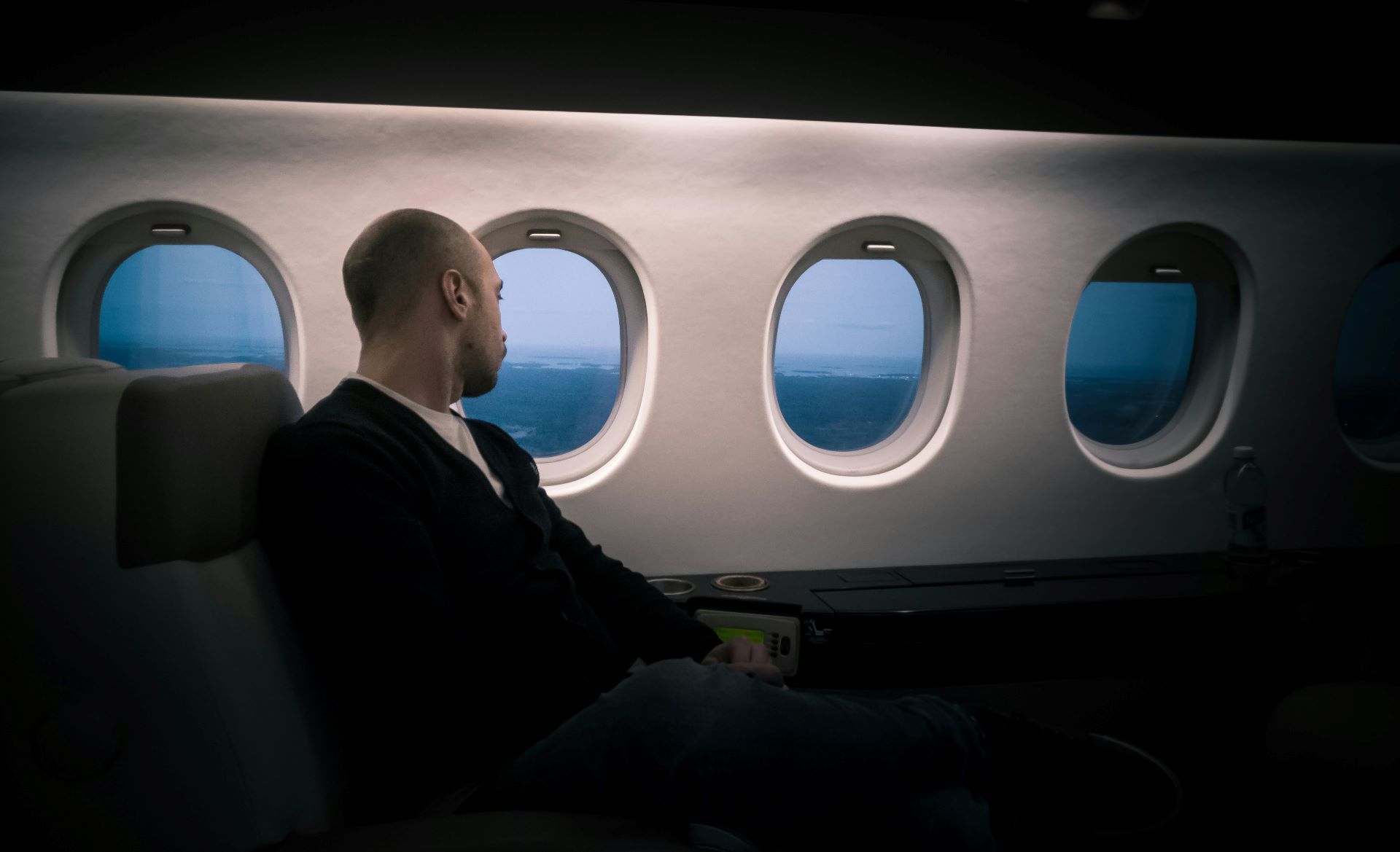
Flying has always been a functional necessity, but for today’s discerning traveler, it’s increasingly about the journey itself. Airlines are no longer competing solely on routes or ticket prices—they’re battling for the passenger’s attention through comfort, personalization, and unforgettable onboard experiences. From fully flat beds in business class to AI-driven seat adjustments, carriers are redefining what it means to feel at ease while cruising at 30,000 feet. The modern passenger doesn’t just want to arrive—they want to arrive refreshed, relaxed, and immersed in a seamless experience from check-in to touchdown.
The Premium Cabin Revolution
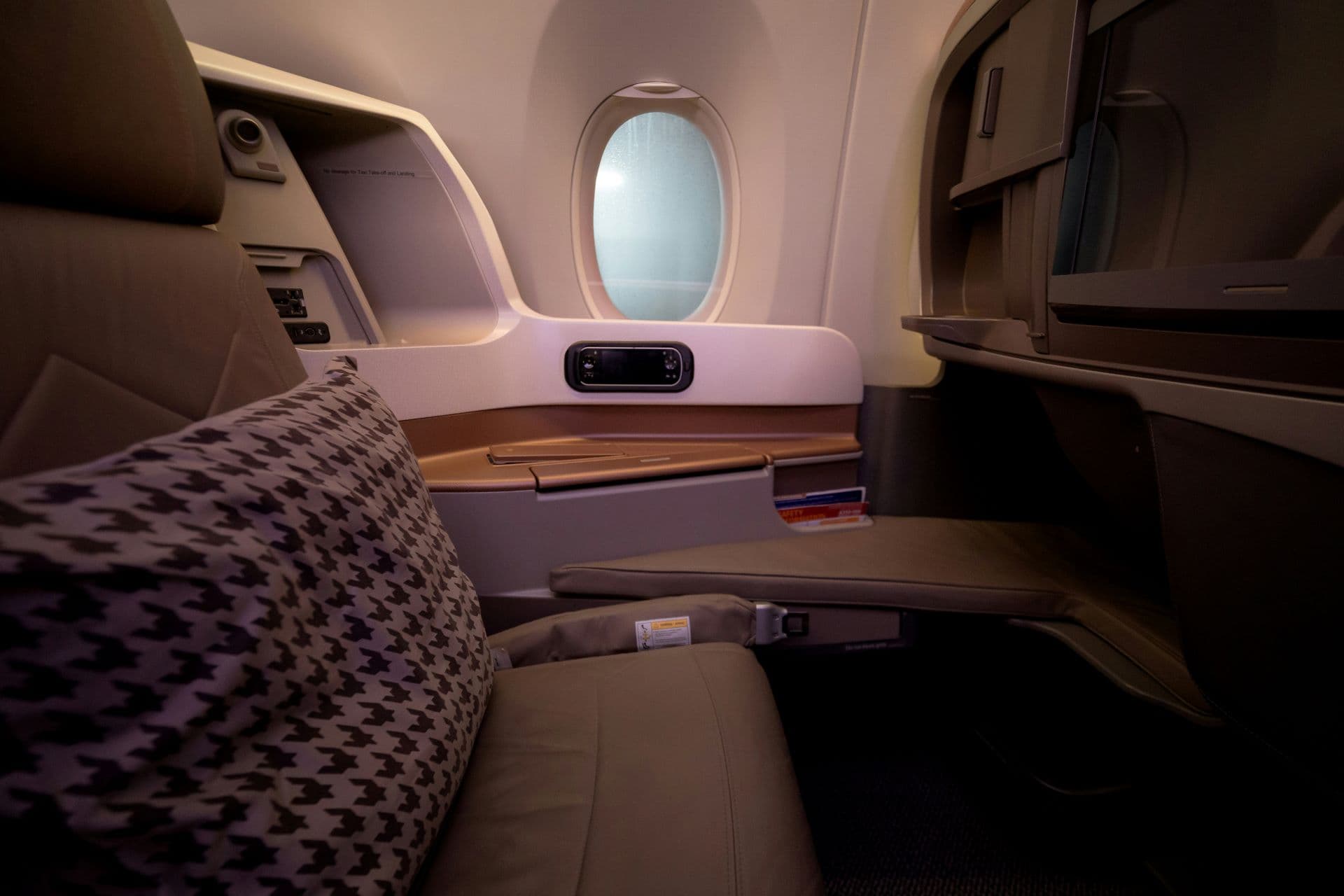
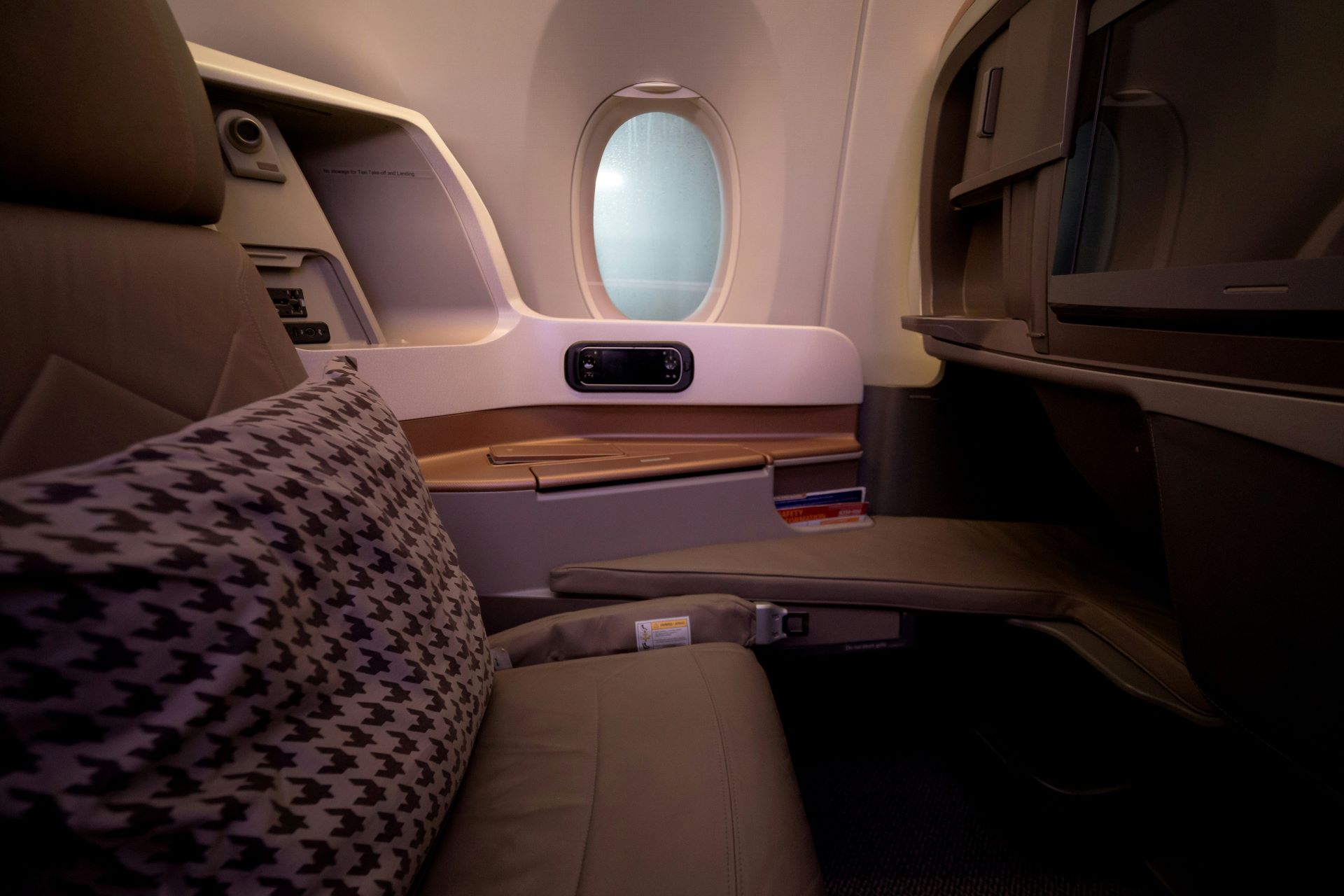
Premium cabins are no longer just about extra legroom or better meals. Airlines are turning first and business class into mini-retreats, blending privacy, space, and luxury. Seats are being reimagined with fully flat configurations, ergonomic designs, and intuitive controls that respond to a passenger’s body type and preferred sleeping positions. Some carriers are introducing suites with sliding doors, ambient lighting tailored to circadian rhythms, and personal entertainment pods with screens that rival high-end home theaters.
The focus on exclusivity extends to service. Personalized attention is no longer a bonus—it’s expected. Flight attendants now track passenger preferences through sophisticated CRM systems, anticipating meal choices, drink orders, and even preferred reading material. The result is a bespoke experience that mirrors the service standards of a five-star hotel at 35,000 feet.
Seat Technology That Anticipates Needs
Airline seat technology has evolved far beyond the classic reclining chair. Sensors embedded in premium seats monitor posture, movement, and temperature, automatically adjusting to enhance comfort. Some carriers have integrated massage functions, lumbar support memory, and even microclimate controls for temperature and airflow.
Connectivity is another pillar of the modern passenger experience. With in-flight Wi-Fi becoming faster and more reliable, travelers can work, stream, or simply stay connected without sacrificing comfort. Advanced cabin lighting and noise-cancelling technology help reduce jet lag and stress, ensuring passengers arrive at their destination feeling revitalized rather than drained.
Wellness at 30,000 Feet
Wellness is becoming a defining factor in airline differentiation. Airlines are introducing curated menus featuring organic, low-sodium, and locally sourced ingredients. Hydration stations, onboard yoga routines, and mindfulness apps cater to travelers’ physical and mental well-being. Some carriers even collaborate with wellness brands to provide sleep kits, aromatherapy, and guided meditation sessions tailored to long-haul journeys.
The focus on wellness isn’t limited to amenities—it extends to the cabin environment itself. Pressurization technology now mimics lower altitudes to reduce fatigue, and humidity controls prevent dehydration during extended flights. Mood lighting adapts to time zones, helping passengers’ bodies adjust more quickly and minimizing the effects of jet lag.
Personalized Entertainment and Experience
Entertainment is no longer a one-size-fits-all solution. Airlines leverage passenger data to offer tailored movie selections, curated playlists, and on-demand content. AI-driven recommendation engines suggest shows, music, and even onboard experiences based on previous travel habits. Virtual reality is starting to make its way into premium cabins, providing immersive journeys for relaxation or entertainment during flights.
Beyond technology, personalization extends to itinerary planning. Airlines now offer pre-flight concierge services to coordinate ground transportation, lounge access, and hotel accommodations, ensuring passengers experience a seamless journey from departure to arrival.
The Social Dimension of Luxury Travel
While comfort and technology are key, airlines are also enhancing social spaces within cabins. Business lounges, communal dining tables, and interactive hubs cater to passengers who wish to network or socialize during their journey. Airlines are experimenting with hybrid spaces that combine privacy with community, allowing passengers to switch between focused work, relaxation, and social interaction without leaving the cabin.
The Future of Sky-High Comfort
The trajectory of airline innovation points toward even more immersive and responsive travel experiences. Artificial intelligence, biometric recognition, and predictive analytics will further personalize services, while cabin designs will continue to blur the line between aircraft and luxury hotel. Airlines are investing not only in technology but in human capital, ensuring flight crews are trained to deliver highly customized, empathetic service at scale.
Ultimately, passengers are no longer content with simply being transported from point A to point B. They expect comfort, wellness, personalization, and moments of delight along the way. Airlines that embrace this ethos aren’t just improving the flying experience—they’re reshaping the very idea of travel itself.
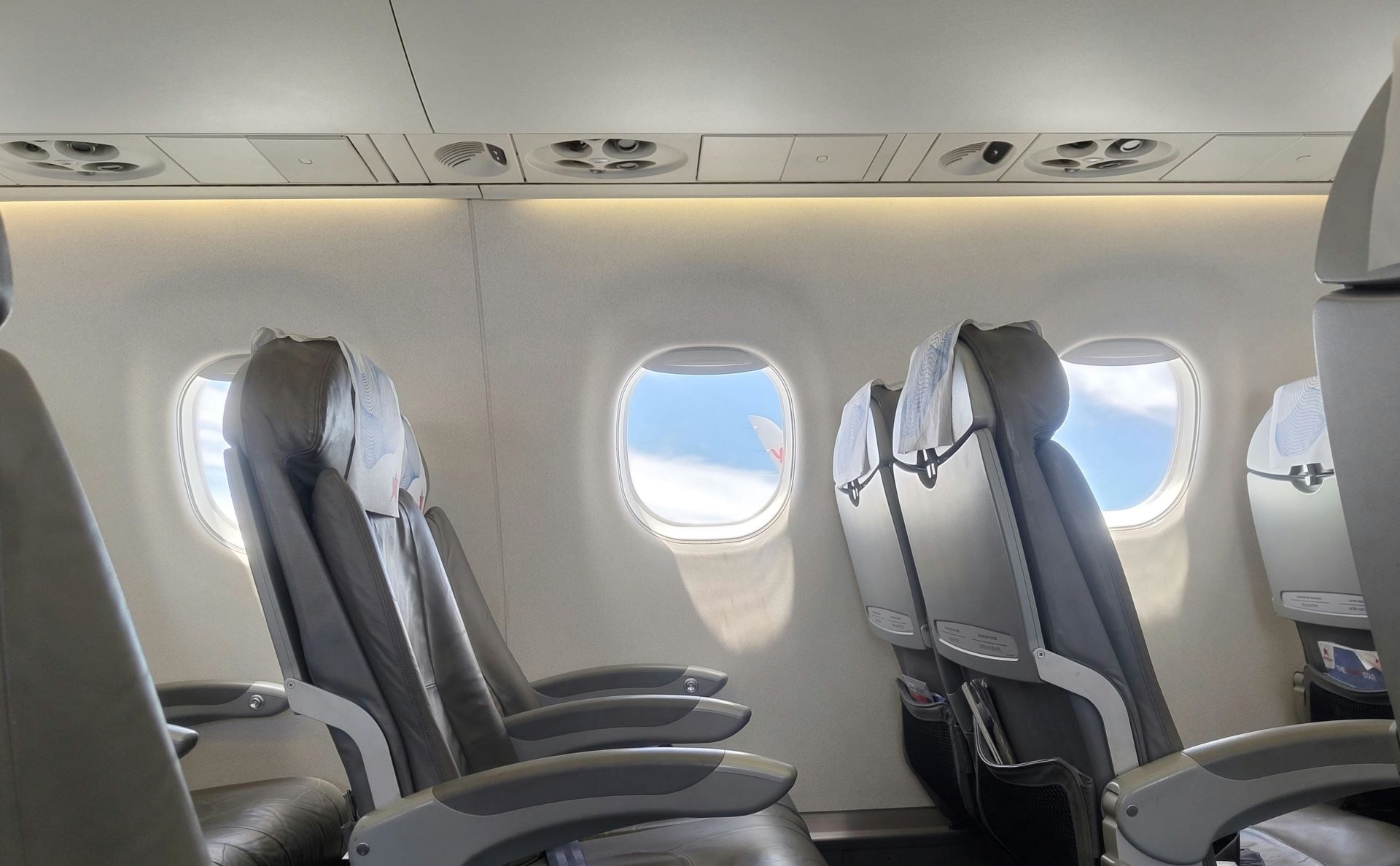
Air travel has entered an era where comfort, personalization, and wellness define the journey. Through innovative seat technology, premium cabin experiences, and holistic wellness offerings, airlines are transforming flights into a curated, luxurious escape. In a world where passengers value time, comfort, and experience over mere transportation, the airlines that elevate the journey will be the ones that command loyalty and admiration—turning the skies into a space of true luxury and care.