

Flying Beyond Transportation
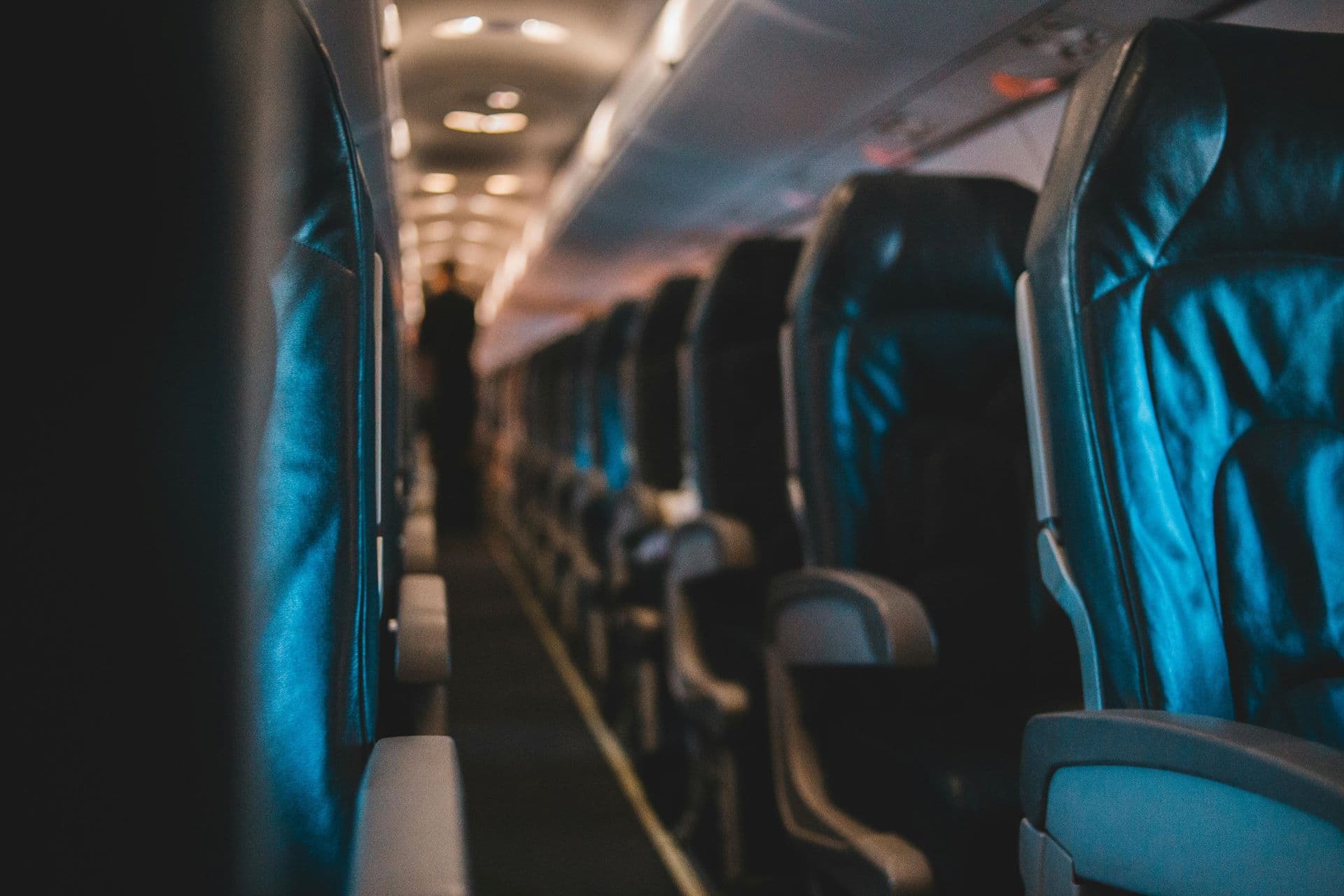
Commercial aviation has always been about movement. At its mechanical heart, an aircraft is a sophisticated vehicle designed to carry people across vast distances faster than any other civilian technology. Yet the modern traveller does not approach air travel with the simple expectation of being transported from one point to another.
Passengers now purchase anticipation, comfort, identity signalling, storytelling, and emotional resonance wrapped inside the physical act of flying. The contemporary airline industry operates inside what business theorists call the experience economy, where value is not derived primarily from the product itself but from the memory and meaning surrounding it.
In tourism markets worldwide, air travel is increasingly seen as the opening chapter of the holiday narrative. The journey to the destination has quietly transformed into part of the destination.
This shift reflects a deeper psychological change in consumer behaviour. Travellers are no longer passive participants in mobility systems. They are curators of personal stories, architects of social expression, and seekers of emotionally meaningful consumption. Airlines that fail to recognise this evolution risk becoming invisible utilities rather than cultural participants in global travel.
The experience economy reframes commercial aviation marketing by asking a simple but powerful question: what does the passenger feel before, during, and after the flight?
Tourism Psychology and the Meaning of Travel
Tourism has always been psychologically charged. People travel not only to see new places but to reconstruct aspects of themselves through movement. The airport becomes a threshold space, a liminal environment separating routine life from exploratory existence.
Modern tourism psychology suggests that travel fulfils several core emotional drivers.
First is escape. Many travellers seek temporary release from professional pressure, social expectations, or environmental monotony. The aircraft cabin becomes a suspended environment where time is reconfigured. Passengers detach from ground-based routines and enter a transitional state between departure and arrival.
Second is status expression. Air travel is highly visible in social storytelling. Boarding passes, airport lounges, and in-flight imagery have become digital social currency in online spaces. The type of airline a traveller chooses communicates lifestyle identity, economic positioning, and sometimes personal values.
Third is self-actualisation through discovery. Travel is one of the few consumer activities that directly connects to personal growth narratives. People often associate journeys with education, maturity, independence, or spiritual curiosity.
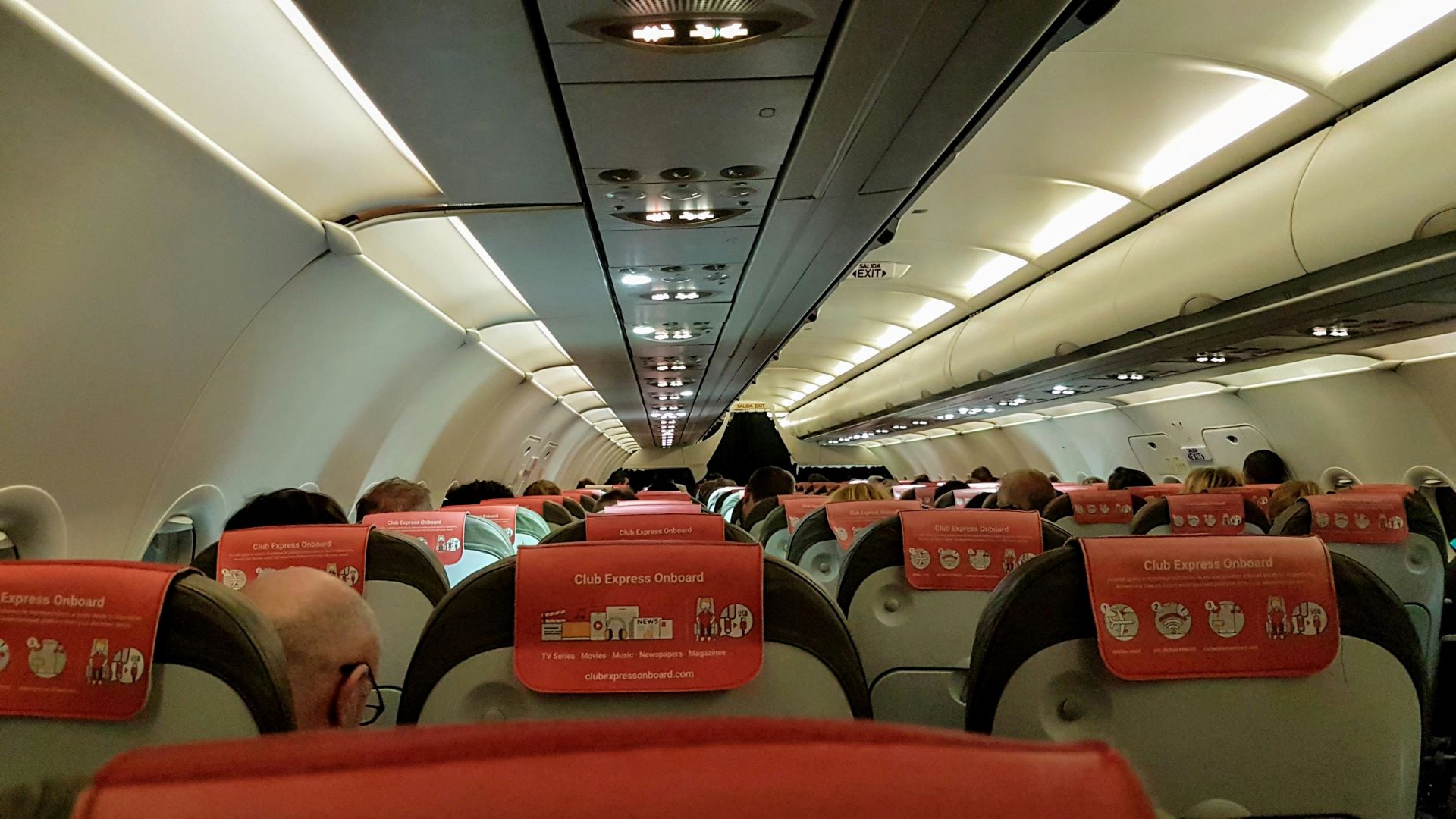
Airlines therefore operate inside a psychological theatre where every design choice contributes to passenger emotion. Seat comfort, lighting temperature, cabin noise management, digital interfaces, and crew interaction patterns all influence how travellers remember the journey.
The experience economy does not judge aviation success by load factor alone but by the emotional aftertaste left in the traveller’s memory.
The Transformation of Airline Value Propositions
Traditional airline marketing focused heavily on efficiency, safety, and price competitiveness. While these remain fundamental operational pillars, they are no longer sufficient differentiators in mature aviation markets.
Low-cost carriers disrupted legacy models by demonstrating that transportation could be commoditised. This disruption forced full-service airlines to redefine their competitive edge. The answer was not simply adding more physical amenities but engineering holistic experiences.
Modern airline value propositions typically integrate three layers.
The functional layer covers reliability, punctuality, safety certification, and operational consistency. Without this layer, experiential branding collapses because passengers cannot emotionally invest in uncertainty.
The sensory layer includes cabin aesthetics, seating ergonomics, lighting schemes, and in-flight entertainment architecture. Airlines increasingly collaborate with industrial designers, behavioural scientists, and material technologists to craft atmospheric cohesion.
The symbolic layer represents the highest level of brand storytelling. This is where airlines express national identity, heritage, and philosophical positioning.
Consider how flag carriers often integrate cultural motifs into cabin uniforms, menu design, and advertising campaigns. Such symbolic cues transform a flight into a narrative about place, belonging, and history.
The experience economy rewards airlines that operate simultaneously across these layers rather than focusing exclusively on price or luxury signalling.
Airline Branding as Tourism Psychology Engineering
Airline branding is essentially applied tourism psychology. Every colour gradient, announcement script, and digital interaction is a behavioural nudge influencing passenger perception.
Branding in aviation is particularly sensitive because air travel combines excitement with latent anxiety. Humans are biologically uncomfortable with being suspended thousands of metres above ground inside a metal structure moving at high speed.
Successful airline brands therefore perform emotional reassurance.
Soft acoustic environments reduce stress responses. Warm visual palettes evoke safety and hospitality. Crew communication style influences perceived security.
Research in passenger behaviour indicates that travellers subconsciously evaluate airline quality through social signals rather than technical metrics they do not directly understand.
Passengers cannot easily judge turbine efficiency or aerodynamic optimisation. Instead, they infer quality through visible cues such as cleanliness, staff professionalism, and service rhythm.
The role of airline branding is therefore to translate technical safety engineering into emotional comfort language.
One interesting trend is the rise of narrative branding, where airlines position themselves as companions rather than service providers. Marketing campaigns increasingly resemble cinematic travel stories rather than product advertisements.
This shift reflects broader cultural consumption patterns shaped by social media and digital storytelling platforms.
The Airport as Part of the Experience Product
Airlines do not exist in isolation. The experience economy extends across the entire mobility ecosystem, including airport architecture.
Modern international airports are evolving into hybrid spaces combining retail, entertainment, and transportation infrastructure.
Passengers spend significant time inside terminals due to security processing and boarding procedures. This waiting period is no longer considered wasted time but opportunity space.
Luxury brands, digital lounges, immersive art installations, and gastronomic micro-destinations are being integrated into terminal design.
The psychological objective is to transform pre-flight anxiety into exploratory curiosity.
A successful airport environment should gradually shift the traveller’s emotional state from practical task orientation to anticipatory excitement.
Some airports even adopt seasonal thematic design, adjusting interior lighting, visual art, and commercial partnerships to reflect cultural moments.
Airlines benefit indirectly from such developments because positive terminal experiences elevate brand perception even before boarding.
Digital Experience Architecture in Aviation
The experience economy is increasingly mediated by digital interfaces.
Mobile booking platforms, real-time flight tracking, personalised promotion systems, and in-app customer service channels have become core elements of airline branding.
Digitalisation allows airlines to maintain emotional continuity across the travel journey.
For example, pre-flight notifications can be framed not as logistical reminders but as part of the anticipation narrative.
Boarding updates may include contextual destination information, weather insights, or cultural highlights about the arrival city.
Some airlines are experimenting with AI-driven personalisation where entertainment recommendations and menu preferences are dynamically adjusted based on traveller history.
This reflects a transition from mass-service aviation toward micro-experiential travel design.
The airline mobile application is rapidly becoming the primary touchpoint for brand interaction.
In-Flight Entertainment as Emotional Theatre
In-flight entertainment systems are among the most powerful experience economy tools available to airlines.
What was once a simple collection of movies has transformed into a multi-sensory storytelling platform.
Modern entertainment ecosystems may include streaming partnerships, destination documentaries, language learning modules, and even interactive tourism guides.
Destination marketing organisations increasingly collaborate with airlines to showcase cultural heritage content during flights.
The objective is subtle behavioural influence. When passengers arrive at their destination mentally primed with positive imagery, their overall travel satisfaction tends to increase.
Cabin entertainment design also reflects attention to attention economics.
Passengers have limited cognitive energy during long flights. Content must therefore balance stimulation and relaxation.
High-intensity visual content may be replaced by slower narrative experiences, ambient music channels, or guided mindfulness sessions.
The Role of Service Personnel in Brand Emotion
Flight attendants are often the most visible embodiment of airline identity.
Their behaviour influences customer perception more strongly than advertising campaigns.
Training programmes now include emotional intelligence development, cross-cultural communication skills, and conflict de-escalation psychology.
Crew members function as human interfaces between corporate brand strategy and passenger lived experience.
The tone of greeting, speed of problem resolution, and subtle facial expression management contribute to brand trust formation.
Airlines that invest in crew empowerment usually demonstrate higher customer loyalty metrics.
Passengers tend to remember how they were treated more than the technical specifications of the aircraft they flew in.
Comfort Engineering and the Psychology of Space
Aircraft cabin design is a delicate science of constrained luxury.
Space is limited, weight is tightly regulated, and operational efficiency must remain uncompromised. Within these constraints, airlines attempt to create micro-environments of perceived spaciousness.
Lighting systems play a major role. Circadian rhythm simulation is used to reduce jet lag symptoms and improve sleep quality during long-haul flights.
Seat ergonomics have also become a major competitive battlefield.
Premium economy and business class innovations reflect recognition that comfort is not purely about physical space but about the quality of personal territory inside the cabin.
Noise reduction technology, humidity control, and air circulation optimisation are quietly shaping passenger wellbeing.
The experience economy treats comfort not as a physical parameter but as a psychological outcome.
Storytelling Nations and Cultural Airline Identity
Many national airlines function as cultural ambassadors.
Airline branding often reflects national mythology, landscapes, and artistic heritage. This is particularly visible in long-haul tourism marketing.
When passengers board a culturally expressive carrier, they are not only travelling geographically but participating in symbolic national representation.
Cuisine design is a fascinating element of this process. In-flight menus are carefully curated to communicate hospitality philosophy.
Meal presentation, ingredient selection, and serving rhythm contribute to the sensory identity of the airline.
Food becomes a travelling cultural artifact rather than simply nutritional supply.
Sustainability as Emotional Value Signalling
Environmental responsibility has moved from operational obligation to emotional branding component.
Travellers, especially younger demographics, are increasingly motivated by ecological consciousness when selecting travel providers.
Airlines now communicate sustainability performance as part of their experience promise.
This includes investment in fuel efficiency technologies, waste reduction programmes, and sustainable material sourcing.
The emotional message behind sustainability branding is not technical environmentalism alone but moral alignment between traveller identity and corporate behaviour.
Passengers often associate environmentally responsible airlines with modernity, intelligence, and ethical sophistication.
Loyalty Programmes and Behavioural Design
Frequent flyer programmes represent some of the most advanced behavioural economics experiments in consumer marketing.
These systems encourage repeat travel through reward structuring, status hierarchy, and psychological commitment mechanisms.
Tiered membership models create social identity communities inside airline ecosystems.
Passengers derive emotional satisfaction not only from free upgrades but from recognition status.
The feeling of being remembered by a brand can be surprisingly powerful in shaping long-term loyalty.
Digital loyalty platforms are now integrating gamification, personalised offers, and experiential rewards rather than purely transactional benefits.
The Future of Experiential Aviation
The future of commercial aviation will likely blur the boundary between transportation, entertainment, and hospitality.
Virtual reality tourism previews may allow travellers to experience destination environments before arrival.
Biometric personalisation could automatically adjust cabin conditions to individual physiological profiles.
Autonomous service robotics may handle routine passenger assistance tasks while human staff focus on emotional hospitality.
Hyper-personalised travel narratives may become standard, where the airline journey is dynamically shaped around passenger preferences, purpose of travel, and behavioural history.
The ultimate trajectory of the experience economy in aviation is the transformation of flight from a logistical necessity into a curated life episode.
Commercial Aviation as Emotional Infrastructure
Air travel is quietly becoming emotional infrastructure for global society.
It connects families separated by oceans, enables business collaboration across continents, and supports cultural exchange on a planetary scale.
The experience economy recognises that transportation technology is no longer the primary product of airlines.
Instead, airlines are designers of transitional human moments.
A successful flight is not measured solely by landing time accuracy or fuel efficiency but by whether the passenger carries a pleasant memory into the next chapter of life.
Commercial aviation marketing must therefore evolve from selling seats to shaping human anticipation.
The future traveller does not ask, “How do I get there?” but rather, “How will the journey feel when I arrive in my story?”
And in that question lies the new sky of airline branding, vast and quietly emotional, stretching beyond metal wings and runway lights into the theatre of human experience.