


Navigate Your Journey with Confidence and Ease
Embarking on a journey to South Africa opens the door to a realm of stunning landscapes, vibrant cultures, and unforgettable adventures. Whether you're soaring above the majestic Drakensberg Mountains or preparing for a bustling cityscape in Johannesburg, flying to South Africa requires meticulous planning to ensure a seamless experience. This comprehensive guide delves into essential tips for flying to South Africa, equipping you with the knowledge to navigate your journey effortlessly from departure to arrival.
1. Preparing for Your Flight: Essentials and Best Practices
Understanding Visa Requirements
Before booking your flight, it's imperative to determine if you need a visa to enter South Africa. Citizens from numerous countries, including the United States, the United Kingdom, Canada, and many European nations, can enter visa-free for stays up to 90 days. However, if your nationality requires a visa, initiate the application process well in advance to avoid delays.
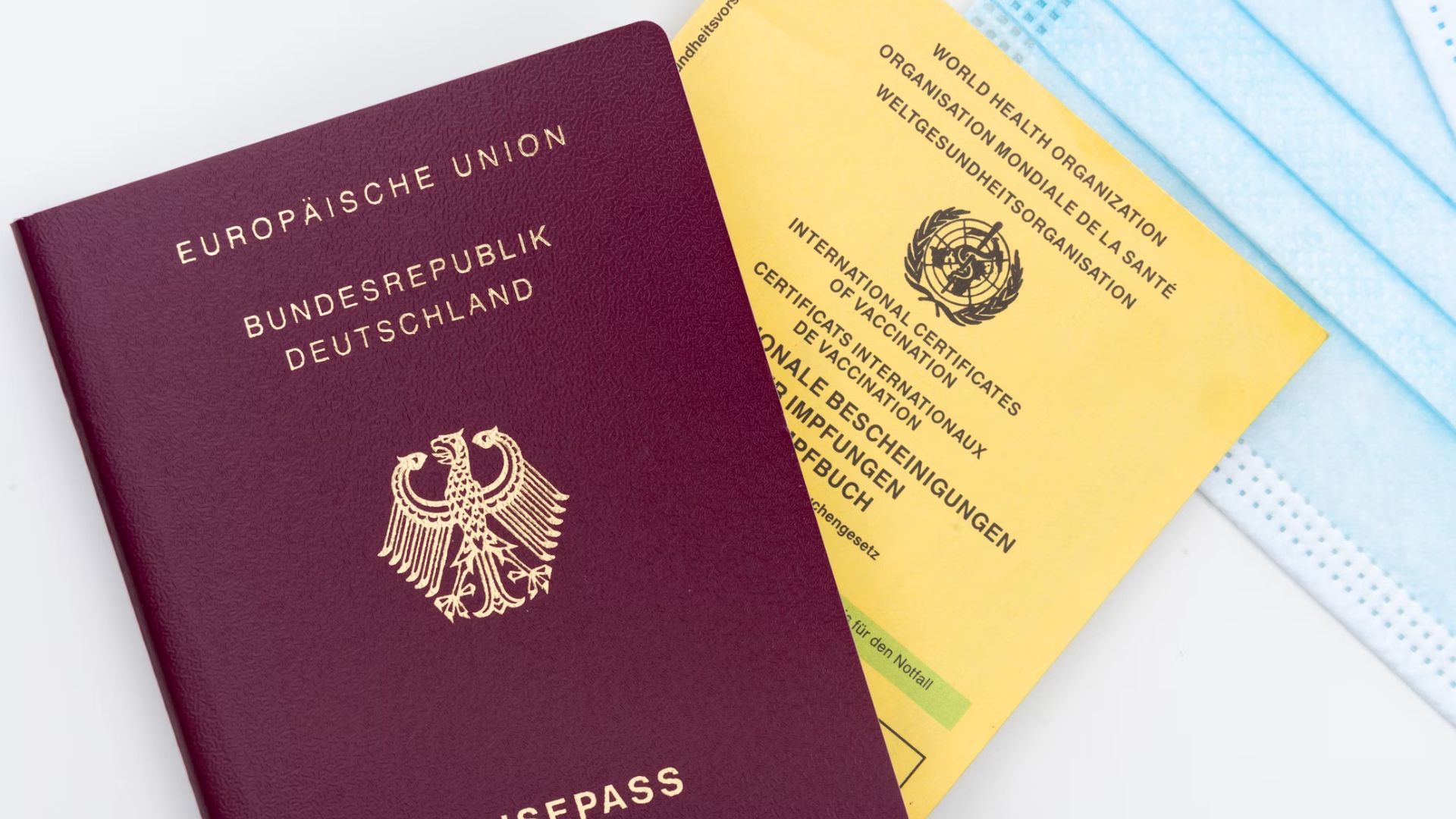
The visa application typically demands a valid passport with at least two blank pages and a minimum of 30 days' validity beyond your intended departure date. Additional documents may include proof of sufficient funds, a return or onward ticket, and a yellow fever vaccination certificate if you're arriving from a risk area. Navigating these requirements ensures a hassle-free entry into South Africa, setting the tone for your entire trip.
Booking the Right Flight
Securing the best flight deal involves strategic planning and thorough research. Compare airlines that offer routes to major South African hubs like Johannesburg, Cape Town, and Durban. Airlines such as South African Airways, Emirates, British Airways, and Qatar Airways frequently operate flights to South Africa, each offering unique perks and varying price points.
Consider factors like layover durations, total travel time, and in-flight amenities when selecting your flight. Booking during off-peak seasons or opting for mid-week departures can result in significant savings. Additionally, leveraging fare comparison websites and setting price alerts can help you snag the best deals, ensuring you get the most value for your travel budget.
Packing Smart: What to Bring
Packing efficiently is crucial for a comfortable flight and a pleasant stay in South Africa. Start by packing climate-appropriate clothing, as South Africa's weather can vary significantly depending on the region and season. Layered clothing is ideal for adapting to temperature fluctuations, especially if you plan to visit diverse areas like the coastal beaches and mountainous regions.
Essential items include a universal power adapter, as South Africa uses Type M plugs, and a robust travel insurance policy to cover unexpected events. Don't forget to include necessary medications, a basic first-aid kit, and any required travel documents like your passport, visa, and vaccination records. Thoughtful packing ensures you're prepared for various scenarios, allowing you to focus on enjoying your trip.
2. In-Flight Comfort: Maximizing Your Travel Experience
Selecting the Ideal Seat
Choosing the right seat can significantly enhance your in-flight comfort, especially on long-haul flights to South Africa. If you prioritize extra legroom, consider booking an exit row or bulkhead seat. For those who prefer a quieter environment, selecting a seat away from the galley and restrooms can minimize disturbances and reduce noise levels.
Using seat selection tools and checking seat maps in advance can help you make an informed decision. Some airlines offer premium seating options with added amenities, such as enhanced recline, dedicated service, and in-seat power outlets. Investing in a comfortable seat can make the difference between a restful journey and an exhausting ordeal.
Staying Comfortable During the Flight
Long flights can be taxing, but implementing a few strategies can make your journey more pleasant. Dress in loose-fitting, breathable clothing to enhance circulation and reduce discomfort. Wearing layers allows you to adjust to the varying cabin temperatures easily.
Hydration is key; drink plenty of water and limit the intake of caffeine and alcohol, which can contribute to dehydration. Bringing your own snacks, such as nuts or dried fruit, can help you maintain energy levels and avoid unhealthy in-flight food options. Additionally, using travel accessories like neck pillows, eye masks, and noise-canceling headphones can significantly improve your comfort and help you rest more effectively during the flight.
Managing Jet Lag
Jet lag is a common challenge when flying to South Africa, especially if crossing multiple time zones. To mitigate its effects, gradually adjust your sleep schedule a few days before departure to align with South Africa's time zone. Staying hydrated and avoiding heavy meals before and during the flight can also help.
Once you arrive, exposure to natural sunlight can aid in resetting your internal clock. Engaging in light physical activity and maintaining a regular meal schedule further supports your body's adjustment to the new time zone. Effective jet lag management ensures you arrive in South Africa feeling refreshed and ready to explore.
3. Navigating South African Airports: Arrival and Beyond
Efficient Immigration and Customs Processing
Upon landing in South Africa, navigating immigration and customs smoothly is essential for a positive start to your trip. Ensure you have all necessary documents readily accessible, including your passport, visa (if required), and completed arrival card. Familiarize yourself with South Africa's entry requirements to expedite the process.
Customs regulations mandate declaring certain items, so it's important to be honest and clear about any goods you're bringing into the country. Familiarize yourself with prohibited items to avoid fines or confiscation. Efficient processing at immigration and customs sets the stage for a stress-free transition from the airport to your destination.
Currency Exchange and Financial Preparations
Managing your finances effectively upon arrival is crucial. The South African Rand (ZAR) is the local currency, and while major credit cards are widely accepted in urban areas, having some cash on hand is advisable for small vendors and tips. Exchange a portion of your money at the airport or withdraw from an ATM for immediate expenses.
Inform your bank of your travel plans to avoid any issues with card usage abroad. Additionally, consider carrying a mix of payment methods, including credit cards and travel money cards, to ensure you have access to funds in various situations. Proper financial preparation enhances your ability to navigate South Africa's cities and rural areas with ease.
Transportation Options from the Airport
South Africa's major airports, such as OR Tambo International in Johannesburg and Cape Town International, offer a variety of transportation options to reach your final destination. Taxis and rideshare services like Uber and Bolt are readily available and provide a convenient way to travel from the airport to your accommodation.
For those preferring public transportation, the Gautrain in Johannesburg offers a reliable and efficient connection between the airport and the city center. Car rental services are also available for travelers who wish to explore South Africa at their own pace. Understanding your transportation options ensures a smooth transition from the airport to your first destination in South Africa.

4. Health and Safety: Ensuring a Secure Trip
Essential Health Precautions
Maintaining your health while traveling to South Africa involves several important precautions. Ensure you're up-to-date with routine vaccinations, including measles, mumps, rubella (MMR), diphtheria-tetanus-pertussis, and polio. Additional recommended vaccines may include Hepatitis A and B, typhoid, and rabies, depending on your travel plans and activities.
If you're traveling to regions with malaria risk, such as the Kruger National Park, consult your healthcare provider about antimalarial medications. Carry a comprehensive travel health kit, including any prescribed medications, to address potential health issues promptly. Prioritizing health precautions safeguards your well-being and allows you to fully enjoy your South African adventure.
COVID-19 Considerations
While COVID-19 restrictions have eased, it's essential to stay informed about the latest entry requirements and health guidelines for South Africa. Check for any required documentation, such as proof of vaccination or negative test results, before your departure.
Adhering to health protocols, including wearing masks in crowded places and practicing good hygiene, helps protect you and others during your travels. Being prepared for potential health-related scenarios ensures a safe and worry-free experience in South Africa.
Travel Insurance: A Must-Have Safety Net
Investing in comprehensive travel insurance is a critical aspect of your trip preparation. Travel insurance can cover a range of unforeseen events, including medical emergencies, trip cancellations, lost luggage, and other disruptions that could impact your journey.
Choosing a policy that suits your specific needs provides peace of mind, knowing that you're protected against potential risks. Whether you're embarking on a safari adventure or exploring urban landscapes, travel insurance ensures that unexpected challenges don't derail your South African experience.

5. Cultural Insights and Etiquette: Respecting Local Norms
Embracing South Africa's Diverse Cultures
South Africa, known as the "Rainbow Nation," boasts a rich tapestry of cultures, languages, and traditions. Embracing this diversity enhances your travel experience and fosters positive interactions with locals. Understanding and respecting cultural norms, such as greeting customs and social etiquette, is essential for meaningful connections.
Familiarize yourself with the 11 official languages, including Zulu, Xhosa, and Afrikaans, although English is widely spoken. Showing appreciation for local customs and traditions demonstrates respect and enriches your interactions, making your journey more rewarding and immersive.
Navigating Social Etiquette and Manners
Social etiquette in South Africa varies across different communities and regions. Common courtesies include polite greetings, maintaining appropriate personal space, and displaying good manners in public settings. When visiting religious or cultural sites, dress modestly and follow any specific guidelines to show respect.
Tipping is customary in South African restaurants, typically ranging from 10-15% of the bill, and for services such as porters and tour guides. Being mindful of these social norms ensures positive interactions and leaves a lasting, respectful impression on the people you meet during your travels.
Responsible Tourism: Minimizing Your Impact
Practicing responsible tourism is vital for preserving South Africa's natural beauty and cultural heritage. Support local businesses, respect wildlife, and adhere to environmental guidelines when visiting national parks and conservation areas. Minimizing your environmental footprint and contributing to the local economy fosters sustainable tourism practices.
Engaging in eco-friendly activities, such as participating in guided tours with reputable operators and avoiding single-use plastics, helps protect South Africa's diverse ecosystems. Responsible tourism not only benefits the destination but also enriches your travel experience by fostering a deeper connection with the places you visit.

Frequently Asked Questions
Do I need a visa to visit South Africa?
Visa requirements depend on your nationality. Citizens from countries like the United States, the United Kingdom, Canada, and many European nations can enter South Africa visa-free for stays up to 90 days. Check with the South African embassy or consulate in your country for specific requirements.
What is the best time to visit South Africa?
The best time to visit depends on your interests. For wildlife viewing, the dry winter months (June to August) are ideal. For beach activities, summer (November to February) offers warm weather. Shoulder seasons, spring and autumn, provide pleasant weather and fewer crowds.
How can I stay safe while traveling in South Africa?
Stay vigilant in crowded areas, avoid displaying valuables, use trusted transportation services, and follow local advice regarding safe regions. It's also important to stay informed about health precautions and have comprehensive travel insurance.
What currency is used in South Africa, and should I carry cash?
The South African Rand (ZAR) is the local currency. While credit cards are widely accepted in urban areas, it's advisable to carry some cash for small vendors, tips, and rural areas where card acceptance may be limited.
Are there any health risks I should be aware of when visiting South Africa?
Health risks include malaria in certain regions, such as Kruger National Park. Ensure you're up-to-date with routine vaccinations and consider additional vaccines based on your travel plans. Consult a healthcare provider before your trip for personalized advice.