

International travel has become easier, faster, and more interconnected than ever before. A traveler can depart from a small regional airport, connect through several major hubs, and reach almost any destination on the planet with a single booking. Behind this seamless experience lies an important but often misunderstood system: airline alliances.
Airline alliances allow multiple carriers to cooperate across routes, ticketing systems, loyalty programs, and airport operations. Instead of functioning as isolated companies, airlines form partnerships that effectively expand their global networks without having to operate every route themselves.
For travelers, these alliances create a more flexible and convenient way to fly. A single ticket can cover flights on different airlines, frequent flyer points can be earned across multiple carriers, and airport benefits can follow passengers around the world. At the same time, alliances can sometimes cause confusion, particularly when flights are sold under one airline’s name but operated by another.
Understanding how airline alliances work is valuable for anyone who travels internationally, whether for leisure or business. By learning how codeshare agreements function and how frequent flyer partnerships operate, travelers can make smarter booking decisions, maximize loyalty benefits, and navigate global air travel with greater confidence.
What Airline Alliances Are and Why They Exist
Airline alliances are cooperative agreements between multiple airlines that coordinate services, routes, and customer benefits. Instead of competing on every route independently, alliance members work together to provide broader travel networks.
Air travel is an industry with extremely high operating costs. Aircraft acquisition, maintenance, airport fees, crew training, and fuel expenses all require substantial investment. Even large international airlines cannot economically operate flights to every destination worldwide.
Alliances solve this challenge by allowing airlines to extend their reach through partnerships.
For example, an airline based in Europe may have strong coverage across the continent but limited access to Asia or Africa. By partnering with airlines based in those regions, it can sell tickets to destinations it does not physically serve.
Travelers benefit because they can book complex itineraries through a single airline while still accessing flights operated by partner carriers.
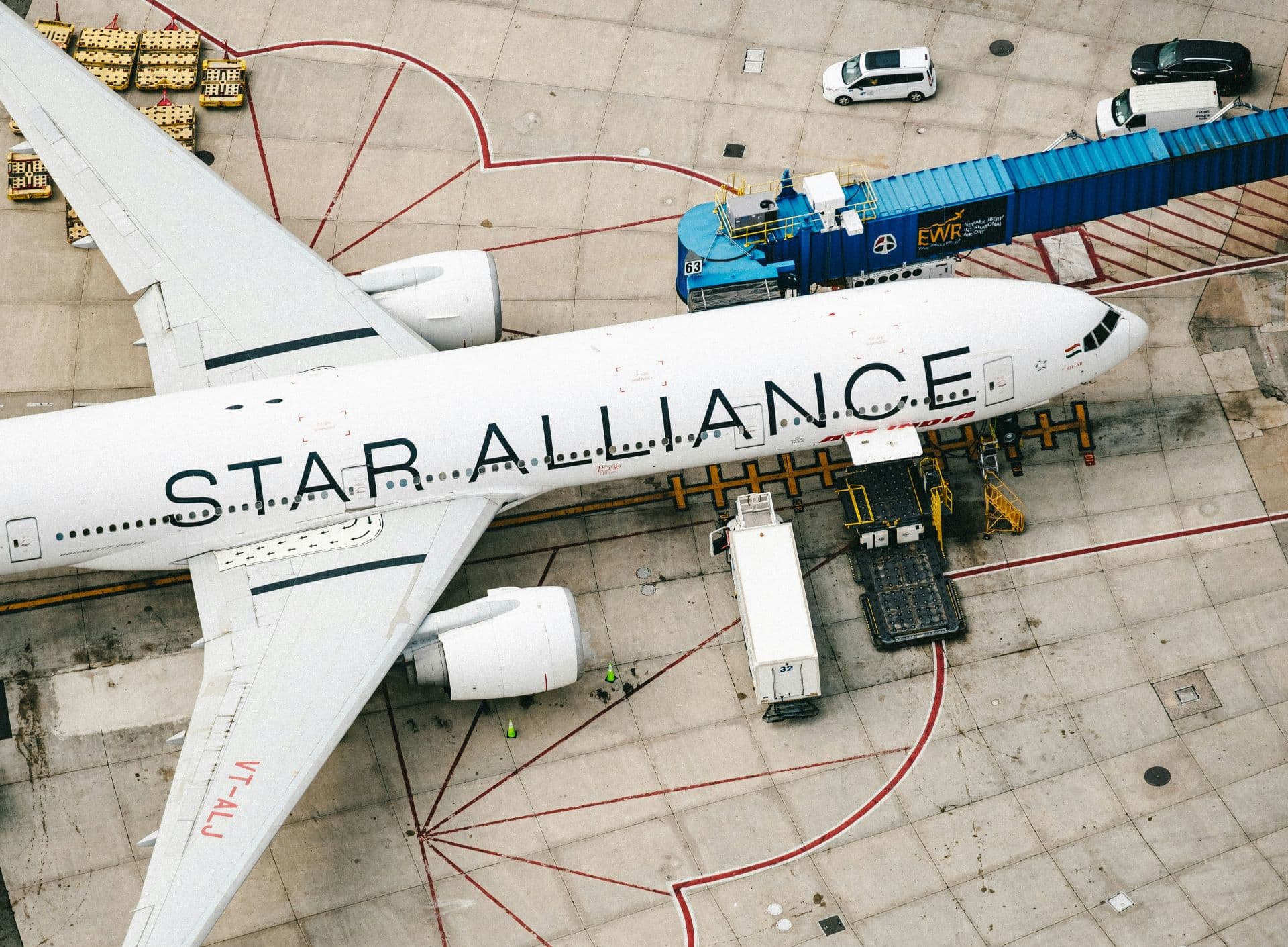
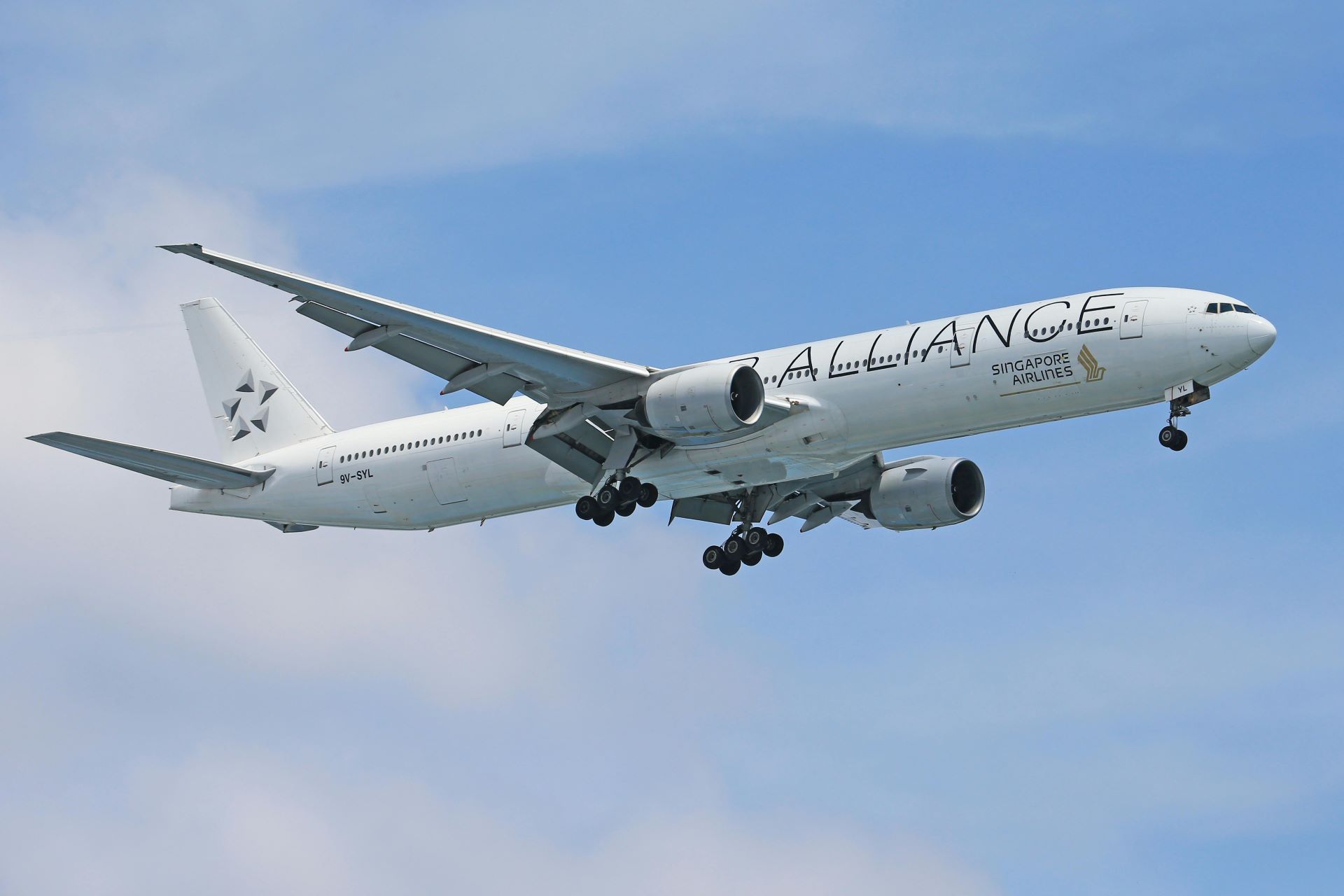
Over time, these partnerships evolved into large global alliance networks. Today, most major international airlines belong to one of three dominant alliances:
• Star Alliance
• Oneworld
• SkyTeam
Together, these alliances connect hundreds of airlines, thousands of aircraft, and airports across nearly every country.
The goal is simple: expand route coverage, share infrastructure, and improve customer convenience.
How Alliances Expand Global Travel Networks
Airline alliances dramatically expand the number of destinations travelers can reach through a single airline booking.
A carrier might only operate flights to 80 destinations on its own. When that airline joins an alliance, the combined network of all partner airlines can exceed 1,000 destinations worldwide.
This expansion happens without the airline needing to purchase additional aircraft or establish new operational bases.
Instead, alliance members coordinate schedules and routes to create smoother connections.
For example, a passenger flying from a regional airport may take a domestic flight operated by one airline, connect at a hub airport, and continue on an international flight operated by a partner carrier.
From the traveler’s perspective, the journey feels unified.
One ticket covers the entire trip. Luggage can be checked through to the final destination. Boarding passes may even be issued for multiple flights during the initial check-in process.
Behind the scenes, the airlines share systems that coordinate booking data, flight availability, and passenger information.
This integrated network structure is what allows travelers to reach far-flung destinations that would otherwise require multiple unrelated bookings.
The Role of Codeshare Agreements
One of the most important mechanisms within airline alliances is the codeshare agreement.
Codesharing allows an airline to sell seats on a flight that is actually operated by another airline.
In practical terms, this means a single flight can carry multiple airline flight numbers.
For example, a plane might be operated by Airline A, but the same flight could appear in booking systems under the codes of Airline B and Airline C. Travelers purchasing tickets through those airlines may not realize the flight is operated by a partner carrier until they review the details.
Codeshare agreements serve several purposes.
They allow airlines to market routes they do not operate themselves. They create smoother booking experiences for travelers. They also help airlines coordinate flight schedules to improve connections between partner carriers.
For passengers, codeshares often appear during the booking process as a note indicating that the flight is “operated by” another airline.
This information matters because the operating airline determines certain aspects of the travel experience, including cabin service, aircraft configuration, and onboard amenities.
Codeshare flights are extremely common in international travel and form the backbone of many alliance partnerships.
Why Codeshares Simplify Complex Itineraries
Without codeshare agreements, many multi-leg international journeys would be far more complicated to arrange.
Travelers would need to purchase separate tickets on different airlines, often through different booking systems. This would create potential problems if flights were delayed or cancelled, since airlines typically only take responsibility for flights included on a single ticket.
Codeshare agreements solve this problem by allowing airlines to issue unified tickets covering multiple partner flights.
From a traveler’s perspective, the journey behaves like a single itinerary.
If a delay causes a missed connection, the airline that issued the ticket is responsible for rebooking the passenger on the next available flight within the alliance network.
Checked baggage can also move automatically between airlines, reducing the need for passengers to collect and re-check luggage during connections.
This coordination helps reduce the stress of international travel, especially when navigating unfamiliar airports or tight connection windows.
Understanding the Difference Between Marketing and Operating Airlines
Codeshare flights introduce an important distinction between two roles within airline partnerships: the marketing airline and the operating airline.
The marketing airline is the carrier that sells the ticket and places its flight code on the booking. This airline may appear as the primary airline during the reservation process.
The operating airline is the company that actually provides the aircraft, pilots, cabin crew, and onboard service.
For example, a ticket might be purchased through one airline’s website, but the flight itself may be flown by a partner airline.
Travelers usually encounter this distinction during check-in or boarding. Airport signage and boarding announcements often reference the operating airline rather than the marketing airline.
Understanding this difference helps passengers prepare for variations in seating layouts, baggage policies, or onboard amenities.
It also helps explain why frequent flyer points may be calculated differently depending on which airline operates the flight.
Frequent Flyer Partnerships Across Alliances
Beyond route networks and ticketing cooperation, airline alliances also integrate their loyalty programs.
Frequent flyer partnerships allow passengers to earn and redeem miles across multiple airlines within the same alliance.
A traveler who frequently flies with one airline can accumulate points even when flying on partner carriers.
This is particularly valuable for international travelers whose journeys often involve multiple airlines.
For example, a traveler loyal to a European airline might still earn miles when flying with partner airlines in Asia or North America.
Over time, this shared loyalty ecosystem encourages travelers to remain within the same alliance network rather than switching to unrelated airlines.
Alliance loyalty programs also allow travelers to redeem miles for flights on partner airlines. This significantly increases the range of destinations available for award travel.
Instead of being limited to routes operated by a single airline, travelers can use points to access the broader alliance network.
Elite Status and Shared Travel Benefits
Frequent flyer programs typically include tiered membership levels that reward loyal travelers with additional benefits.
These tiers often translate across alliance partners.
For example, a traveler with elite status in one airline’s loyalty program may receive comparable recognition when flying with partner airlines within the same alliance.
Shared benefits may include priority check-in counters, faster security processing in some airports, priority boarding groups, and access to airport lounges.
For frequent international travelers, lounge access is often one of the most valuable alliance benefits. Passengers with qualifying status can relax in lounges operated by partner airlines even when flying with a different carrier within the alliance.
This shared benefit system creates a consistent travel experience across multiple airlines and airports.
Instead of starting from scratch with each airline, travelers carry their loyalty status with them across the alliance network.
Alliance Hubs and Coordinated Flight Scheduling
Another major advantage of airline alliances is the coordination of hub airports.
Most large airlines operate major hub airports where passengers transfer between connecting flights. Alliance partners often coordinate schedules at these hubs to improve connection times.
For example, several alliance members may schedule arrivals within a short window of time, followed by departures shortly afterward. This pattern allows passengers to transfer efficiently between partner airlines.
These coordinated scheduling strategies reduce waiting times and make complex itineraries more manageable.
Airports with strong alliance presence often develop dedicated facilities for partner airlines, including shared lounges and coordinated gate areas.
This infrastructure further enhances the connectivity between alliance carriers.
When Airline Alliances Become Confusing
Despite the many advantages of alliances, they can sometimes create confusion for travelers.
One common issue arises when a passenger expects the service standards of one airline but finds themselves flying on a partner carrier with different onboard amenities.
Aircraft seating layouts, meal service, and entertainment systems can vary significantly between airlines.
Baggage policies may also differ depending on the operating airline, even if the ticket was purchased through another carrier.
Travelers should always review the operating airline listed in their booking confirmation to understand what to expect during the flight.
Another potential complication involves frequent flyer earnings. Some airline programs calculate mileage differently depending on the partner airline and fare class.
Understanding these differences can help travelers avoid surprises when their miles are credited after a trip.
How Travelers Can Use Alliances Strategically
For travelers who understand how alliances work, these partnerships can unlock valuable opportunities.
Choosing flights within the same alliance can simplify itineraries, especially when planning multi-destination trips across continents.
Remaining within a single alliance also helps consolidate frequent flyer points in one loyalty program, accelerating progress toward elite status or award travel.
When booking complex routes, travelers can also compare alliance options to determine which network offers the best connections and travel times.
Some alliances have stronger coverage in certain regions of the world, making them more convenient for specific destinations.
Understanding these network strengths can help travelers make smarter routing decisions.
The Future of Airline Alliances
Airline alliances continue to evolve as the aviation industry adapts to changing travel demand, new aircraft technology, and shifting economic conditions.
In addition to traditional alliances, airlines are increasingly forming deeper joint ventures that involve shared revenue and coordinated pricing on specific routes.
These agreements allow airlines to collaborate even more closely while maintaining separate corporate identities.
At the same time, digital booking platforms and airline apps are making it easier for travelers to navigate alliance networks without needing to understand the complex relationships behind the scenes.
From a traveler’s perspective, the goal remains simple: seamless global connectivity.
As airlines continue to expand partnerships and integrate technology, alliances will remain a central feature of international air travel.
Airline alliances play a critical role in shaping the modern travel experience. By linking airlines across continents, alliances create global networks that allow travelers to reach far more destinations than any single airline could serve alone.
Through codeshare agreements, airlines can sell flights operated by partners, simplifying booking and enabling seamless connections across multiple carriers.
Frequent flyer partnerships further enhance the system by allowing travelers to earn and redeem miles throughout the alliance network while enjoying shared benefits such as priority services and lounge access.
While the structure of airline alliances can seem complex at first, understanding how they work helps travelers make better decisions when booking flights and managing loyalty programs.
For anyone planning international journeys, airline alliances quietly power the global map of possibilities, turning a patchwork of individual airlines into an interconnected system that moves millions of passengers around the world each day.