

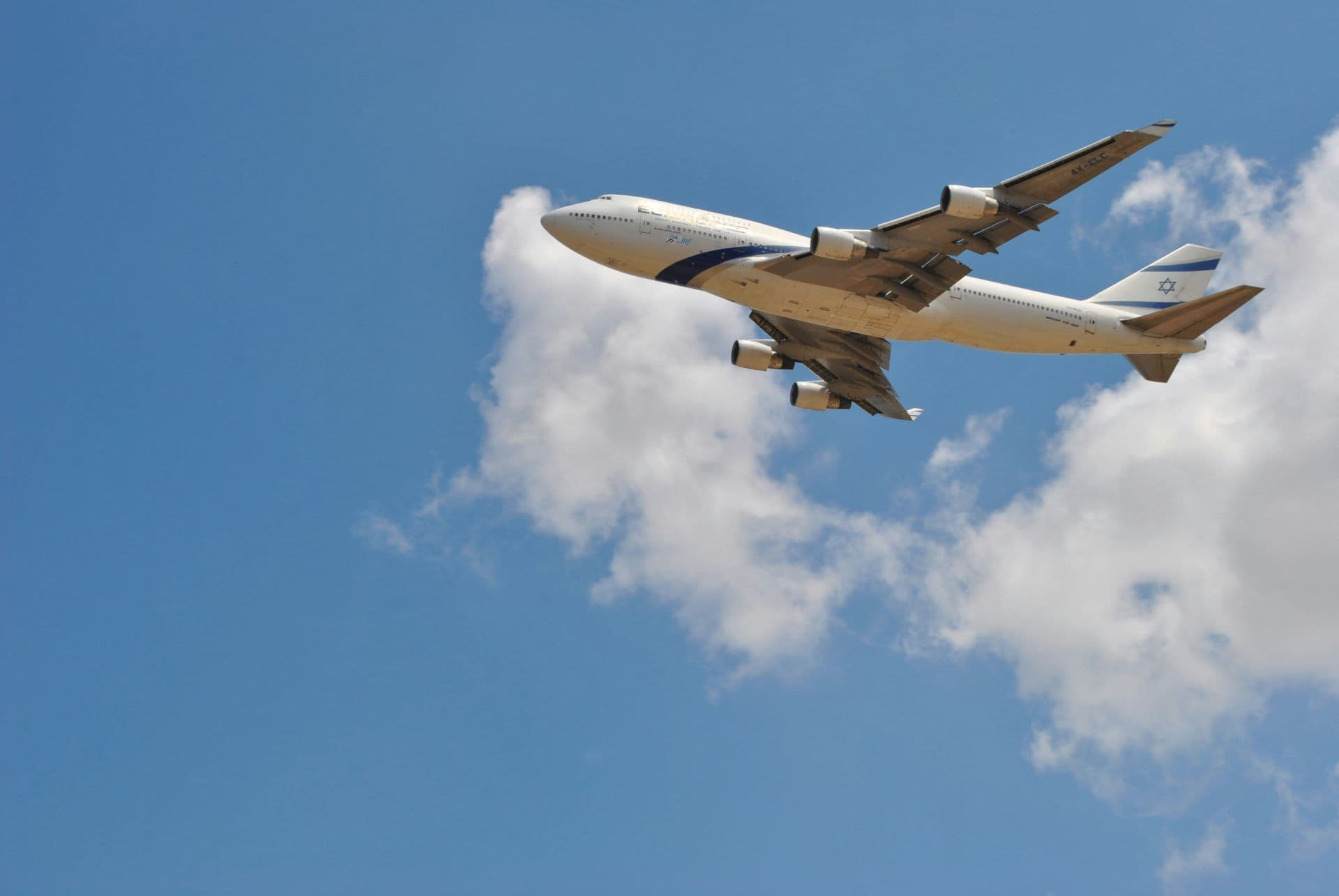
Trust as the True Currency
In today’s fast-moving travel industry, travelers have more options than ever. Airlines compete not just with each other but with evolving expectations shaped by technology, social media, and personal experiences. Luxury seats, gourmet meals, and swanky lounges were once the pinnacle of passenger attraction. Today, however, consistent reliability has emerged as the most valuable commodity in airline tourism. Passengers prioritize airlines that arrive on time, safeguard their baggage, and maintain transparent communication. Luxury may impress, but trust ensures travelers return.
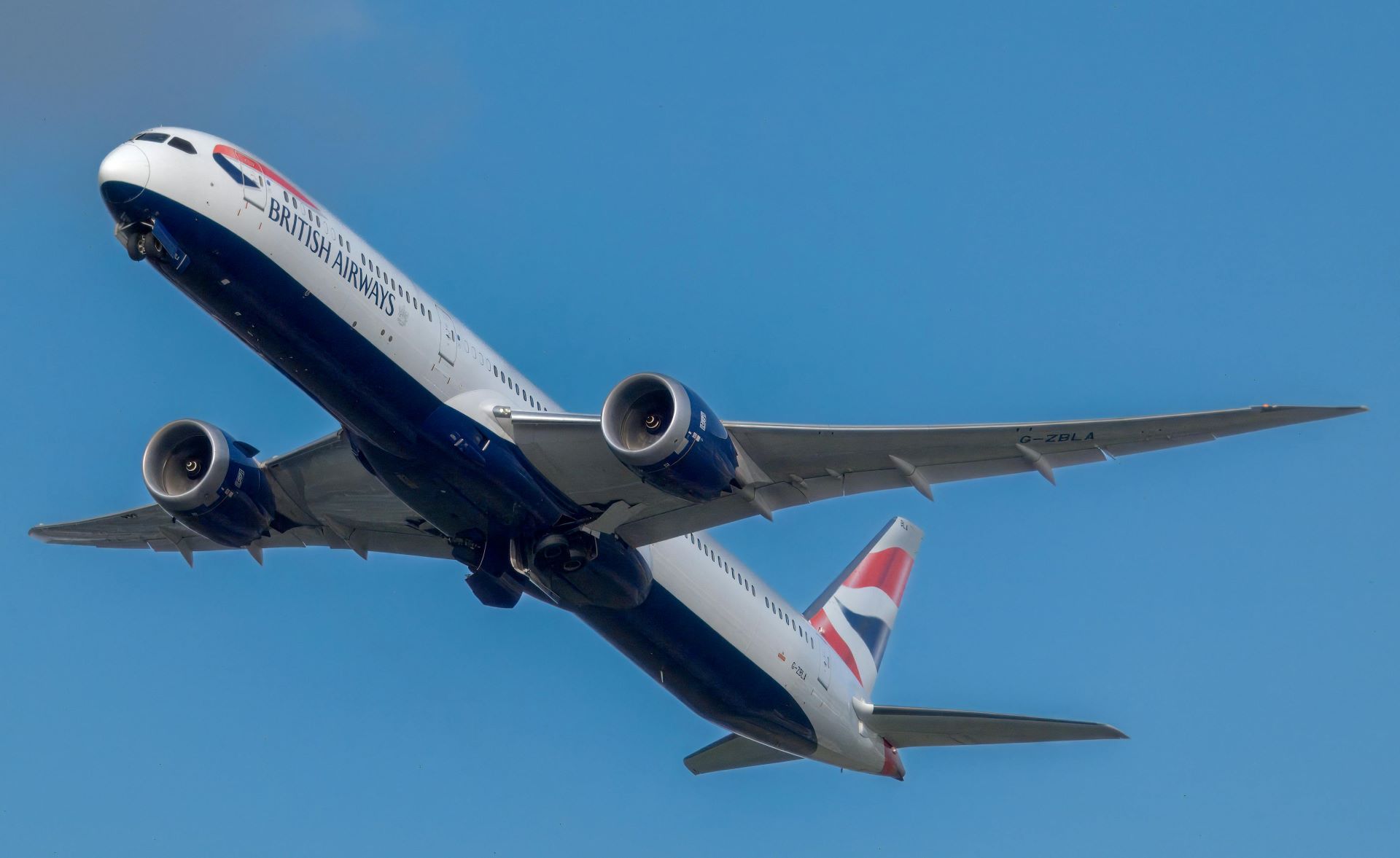
The Shift From Perks to Performance
The aviation industry has long equated opulence with loyalty. First-class cabins, in-flight entertainment systems, and designer amenity kits were marketed as symbols of prestige. However, studies in travel psychology reveal that passengers are increasingly pragmatic. The modern tourist seeks assurance that their journey will proceed smoothly.
Unforeseen delays, lost luggage, or poor customer service create stress that no luxury seat can counterbalance. In essence, travelers equate reliability with respect—airlines that respect schedules, commitments, and passenger time cultivate a reputation far more enduring than one built on extravagance.
Repeat Travel: The Reliability Dividend
Repeat business is the lifeblood of airline success. Tourists who trust an airline are not merely likely to book the next flight—they also influence the choices of friends, family, and colleagues. Word-of-mouth and social media amplify experiences: one delayed flight can eclipse months of luxury branding.
A reliable airline becomes a partner in travel rather than a service provider. It reduces cognitive load; travelers don’t have to constantly assess risk, double-check connections, or stress about baggage. This trust translates into repeat travel, strengthening long-term revenue streams far beyond any short-term impact of luxury offerings.
Luxury as a Secondary Consideration
This is not to say luxury is irrelevant. Premium services still hold appeal, particularly for high-net-worth travelers or business passengers. Yet, even these groups rank reliability over indulgence when faced with trade-offs. A late flight that misses a critical meeting, or a misplaced suitcase containing professional equipment, renders the finest cabin amenities moot.
In this hierarchy of traveler priorities, luxury is a garnish. Reliability forms the main course. Airlines that understand this subtle but crucial differentiation can allocate resources more effectively, ensuring punctuality and service consistency without compromising optional perks.
The Role of Airline Reputation
Reputation in the airline sector is a cumulative measure of past performance. It transcends marketing campaigns and glossy advertisements. Reliability builds reputation, and reputation, in turn, builds trust. Travelers often rely on review aggregators, travel forums, and ratings before booking flights. A pattern of punctual arrivals, proactive communication, and smooth operations cultivates loyalty more effectively than a singular luxurious experience.
Airlines like Singapore Airlines, Qantas, and ANA have demonstrated that consistent reliability contributes significantly to repeat business. They combine operational excellence with strategic luxury offerings, but the cornerstone of their brand strength is an unblemished record of dependable service.
Technology and Transparency: Enhancing Trust
Digital tools have intensified the importance of reliability. Mobile notifications, real-time updates, and seamless booking platforms create a perception of control and predictability. Travelers are more forgiving of minor inconveniences when the airline proactively communicates solutions and timelines. Transparency, enabled by technology, is a form of reliability in itself—it signals competence and accountability.
Cultural Considerations and Tourism Trends
Different tourist markets may interpret luxury and reliability differently. Business travelers prioritize punctuality and efficiency; leisure tourists value stress-free experiences over plush interiors. Across demographics, however, the pattern is consistent: predictability in travel schedules and consistent service quality weigh more heavily in decision-making than temporary indulgence.
Case Studies: Lessons From the Skies
Several airline case studies illustrate this principle. Delta Airlines, historically criticized for luxury deficiencies, has invested heavily in reliability and operational transparency, resulting in higher customer satisfaction and loyalty. Conversely, airlines that focus predominantly on luxury without investing in punctuality or service recovery often experience high passenger churn and negative word-of-mouth.
The takeaway is clear: passengers remember frustration far longer than indulgence. Airlines that internalize this principle and embed reliability into every touchpoint—from booking to baggage claim—secure the loyalty that luxury alone cannot buy.
Trust Is the Ultimate Luxury
For today’s tourists, the ultimate luxury is not a lie-flat seat or a five-star meal. It is peace of mind. Confidence that their airline will honor commitments, manage unforeseen events efficiently, and safeguard their travel experience creates emotional currency more valuable than any in-flight amenity. Airlines that prioritize reliability, operational consistency, and transparent communication build relationships that endure far longer than fleeting indulgence.
Luxury may draw attention. Reliability earns respect. And in the world of airline tourism, respect turns first-time passengers into lifelong advocates.