

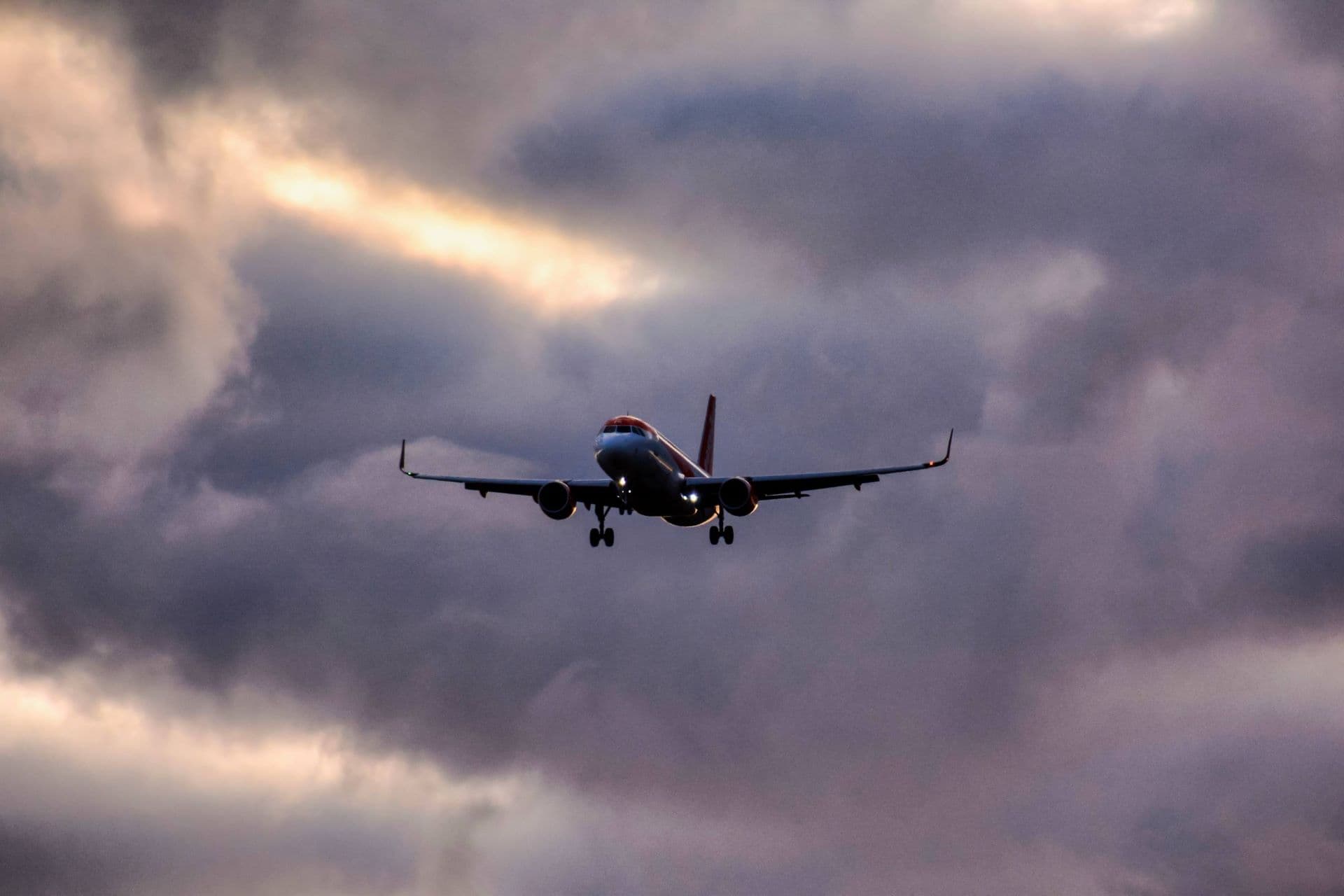
The Age of Speed in the Sky
Modern tourism moves at the speed of a jet engine. Where travel once demanded commitment, endurance and time, commercial aviation has reduced distance to a timetable. A city on the far side of the planet is no longer a once-in-a-lifetime undertaking but a long weekend away, priced, scheduled and consumed with astonishing efficiency. This acceleration has not only changed where people travel but how they experience the places they visit. Faster flights have compressed tourism into tighter windows, encouraging travellers to see more in less time, often at the cost of depth, reflection and local immersion.
Airline tourism sits at the centre of this transformation. Aircraft technology, route density, global airline alliances and aggressive fare competition have created an environment where speed is both the selling point and the expectation. Travel is no longer framed as a journey but as a transfer. The sky has become a high-speed corridor, stripping away the friction that once defined travel and replacing it with convenience, predictability and relentless pace.
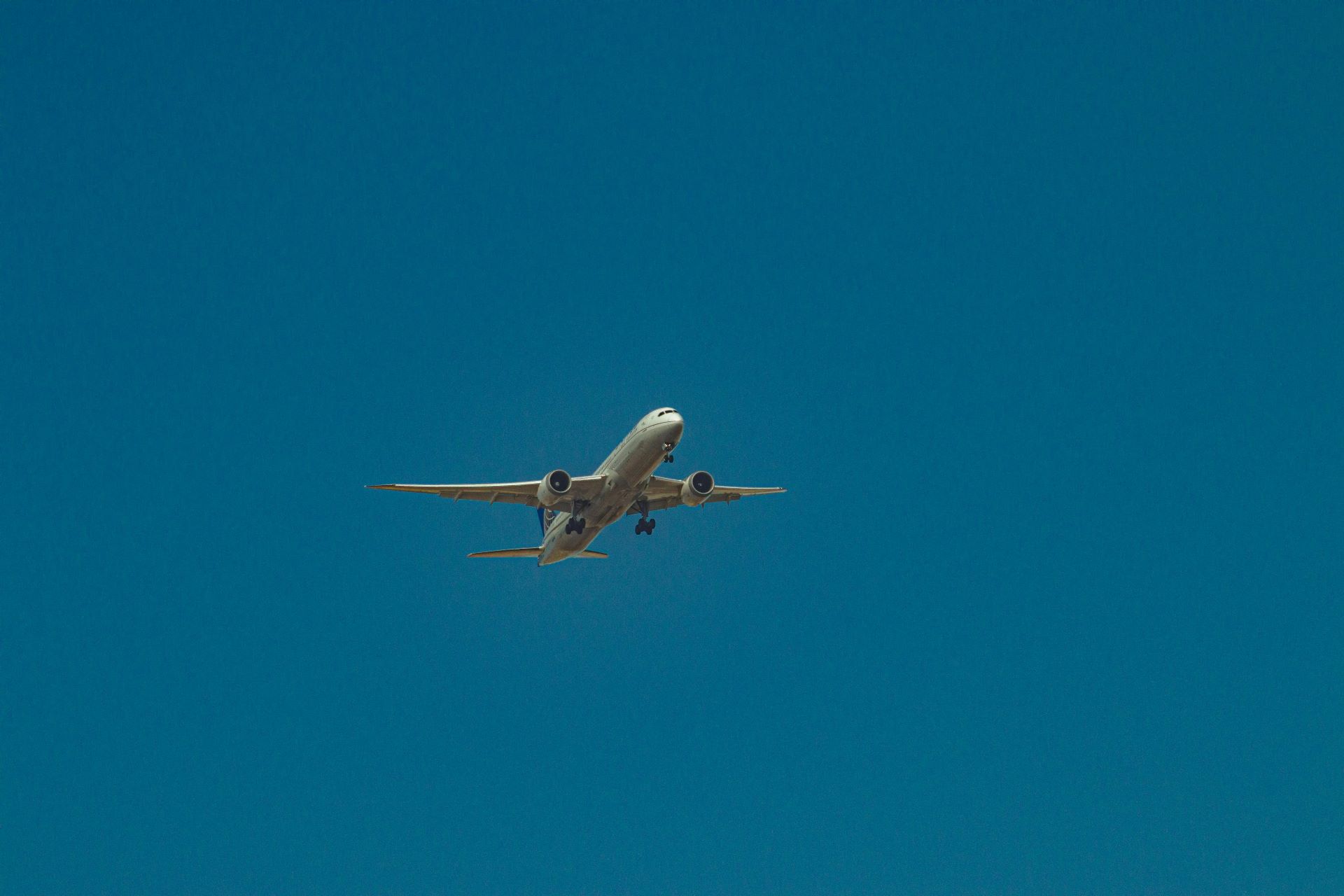
From Journey to Schedule
Before mass aviation, the journey itself shaped the tourist experience. Long-distance travel by ship or rail created a psychological separation between home and destination. Time in transit acted as a buffer, allowing anticipation to build and expectations to adjust. Arrival felt consequential. The stay was typically long, partly because returning quickly was neither practical nor affordable.
Commercial aviation dismantled this rhythm. The introduction of jet aircraft in the mid-20th century radically shortened travel times, while deregulation and low-cost carriers later made flying accessible to a much broader market. Today, airline schedules dictate tourism behaviour. Departures and arrivals are planned down to the minute, with travellers slotting experiences into narrow gaps between flights. The journey has become invisible, something to be optimised rather than endured.
This shift has trained tourists to think in compressed units of time. A destination is no longer measured in weeks or months but in nights. Two nights in Rome. Three nights in Paris. A single overnight stop in Dubai. Flights make this possible, and airline pricing structures actively encourage it through short-haul deals, multi-city fares and return flights that reward quick turnarounds.
Shorter Stays, Longer Lists
One of the most visible consequences of faster air travel is the shortening of average stay lengths. Airline tourism thrives on volume, and destinations have adapted accordingly. Hotels, attractions and tour operators increasingly design offerings for brief visits, knowing that many travellers arrive with tightly packed schedules and little flexibility.
Shorter stays have created a paradox in modern tourism. Travellers want to experience more than ever, but they have less time in which to do it. The result is the rise of the checklist itinerary. Flights enable rapid movement between cities and countries, and tourists respond by stacking destinations rather than sinking into them. A single trip might include multiple countries, each reduced to a handful of highlights.
Airlines play a direct role in this behaviour. Hub-and-spoke networks make stopovers easy, while open-jaw tickets allow travellers to fly into one city and out of another with minimal additional cost. The aviation system itself nudges tourists toward accumulation rather than immersion. Seeing five countries becomes a badge of efficiency, even if each is experienced only superficially.
The Psychology of Compressed Travel
Speed changes perception. When travel time shrinks, expectations expand. Tourists arriving by air often feel an implicit pressure to maximise the value of every hour on the ground. Flights are expensive, even when discounted, and the cost creates a sense of obligation to “make it count.” This pressure feeds into a faster pace of sightseeing, dining and cultural consumption.
Airline tourism has also reshaped how travellers mentally frame distance. A four-hour flight feels manageable, even routine. This has led to the normalisation of ultra-short trips that would have seemed excessive in earlier eras. Weekend breaks across continents are no longer exceptional, and this mindset encourages a transactional relationship with destinations. Places are consumed quickly and replaced just as fast.
The psychological compression extends beyond the individual traveller. Social media, itself accelerated by digital connectivity, amplifies the desire to cover ground. Flights make it feasible to replicate itineraries seen online, reinforcing the idea that meaningful travel is measured by quantity rather than continuity. The aircraft becomes the enabler of a performative tourism culture built on rapid movement.
Airlines as Architects of Tourism Flow
Airlines do not merely respond to tourism demand; they actively shape it. Route planning decisions influence which destinations rise or fall in popularity. A new direct flight can transform an overlooked city into a weekend hotspot, while the loss of a route can isolate a destination almost overnight.
Low-cost carriers have been particularly influential in accelerating tourism pace. By prioritising quick aircraft turnaround times and high-frequency routes, they encourage short, efficient trips. Their business model rewards rapid consumption: fly in, spend, fly out. Destinations served by low-cost airlines often experience surges in visitor numbers without corresponding increases in length of stay.
Long-haul carriers have contributed in a different way. Ultra-long-range aircraft have eliminated technical stopovers, allowing passengers to fly nonstop between distant continents. While this increases comfort and convenience, it also removes opportunities for slower, staged travel. The world feels smaller, and the incentive to linger along the way disappears.
The Rise of the Transit Tourist
Airline tourism has also created a new category of traveller: the transit tourist. Many airports now function as destinations in their own right, offering shopping, dining and even cultural experiences designed to capture spending during layovers. Some airlines actively promote stopover programmes, allowing passengers to briefly visit a city en route to somewhere else.
While this model introduces travellers to new places, it reinforces the idea of partial engagement. A city becomes something to sample between flights rather than explore fully. The experience is curated, time-bound and often limited to areas designed specifically for tourists. The airline timetable remains the dominant force, dictating how much of the destination is accessible.
Transit tourism highlights the broader influence of aviation on travel behaviour. The plane is no longer just a means of transport but a framework within which tourism unfolds. Experiences are fitted around flight times, not the other way around.
Economic Incentives and the Speed Trap
From an economic perspective, faster flights have been a boon for tourism-dependent regions. Increased accessibility drives visitor numbers, supporting airlines, hotels and local businesses. However, the emphasis on speed can create structural vulnerabilities.
Shorter stays mean higher visitor turnover but lower per-visitor engagement. Tourists who arrive by air for brief visits tend to spend heavily on accommodation and transport but may contribute less to local culture, crafts and community-based experiences. This can lead to a concentration of economic benefits in sectors closely aligned with airline tourism, while others struggle to capture value.
Destinations may also feel pressured to adapt their offerings to fit compressed itineraries. Attractions are packaged into half-day experiences, and cultural encounters are simplified for quick consumption. Over time, this can erode the richness that initially made a place attractive, turning it into a backdrop rather than a lived environment.
Environmental Time Compression
The speed of airline tourism carries environmental consequences that feed back into the pace of travel. Aviation’s carbon footprint has become a growing concern, prompting debates about sustainability, flight shaming and alternative modes of transport. Yet the convenience of flying continues to outweigh these concerns for many travellers.
Paradoxically, faster flights can increase travel frequency. When trips are shorter and easier, people travel more often. A journey that once required significant planning and recovery time can now be slotted into a busy calendar. This intensification of travel amplifies aviation’s environmental impact, even as airlines invest in efficiency improvements.
The environmental debate adds another layer to the compression of experience. Travellers may feel a moral urgency to see places “before they change,” leading to rushed visits driven by scarcity narratives. Flights enable this urgency, turning tourism into a race against time, both personal and planetary.
Cultural Consequences of Airborne Speed
Culture does not compress easily. Languages, traditions and social rhythms resist the logic of airline schedules. Yet airline tourism often imposes that logic regardless. Travellers arriving for short stays may engage with culture as spectacle rather than participation, consuming highlights without context.
This dynamic affects host communities as well. Cities heavily shaped by airline tourism may adjust their rhythms to accommodate constant arrivals and departures. Late-night flights, early-morning check-ins and round-the-clock services become normal. Over time, local life adapts to the needs of transient visitors, sometimes at the expense of residents.
Airlines indirectly influence this process by determining peak arrival times, seasonal capacity and route frequency. Tourism flows follow aircraft movements, creating cycles of intense activity followed by lulls. The pace of aviation becomes the pace of the destination.
Technology, Efficiency and Expectation
Advances in aviation technology have reinforced expectations of speed and efficiency. Online check-in, biometric boarding and real-time flight tracking have reduced uncertainty and waiting time. While these innovations improve convenience, they also reduce opportunities for pause.
For travellers, this efficiency can translate into impatience. Delays feel more disruptive because the overall travel experience has been streamlined to minimise friction. When everything is designed to move quickly, any slowdown becomes intolerable. This mindset carries over into the destination itself, where travellers may feel frustrated by anything that disrupts their tightly planned schedule.
Airlines, in optimising their operations, have inadvertently trained tourists to expect constant momentum. The result is a travel culture that values throughput over presence, movement over meaning.
The Illusion of Mastery
Faster flights create the illusion that travel can be mastered. With enough planning, enough connections and enough stamina, the world appears conquerable. Airline tourism feeds this illusion by offering ever more routes, deals and combinations.
Yet mastery comes at a cost. When experiences are compressed, memory becomes fragmented. Destinations blur together, reduced to images and anecdotes rather than layered understanding. Travellers may return home with a sense of accomplishment but little lasting connection to the places they visited.
This is not an argument against flying but an observation about its influence. Aviation has reshaped tourism into an activity of acquisition, where experiences are collected rather than cultivated.
Reclaiming Time in the Air Age
Some travellers and destinations are beginning to push back against the tyranny of speed. Slow tourism movements encourage longer stays and deeper engagement, even within an aviation-driven system. Airlines themselves are experimenting with models that emphasise comfort, experience and wellbeing, acknowledging that speed alone is not enough.
However, reclaiming time in the age of flight requires intentional choices. It means resisting the urge to overfill itineraries simply because flights make it possible. It involves recognising that accessibility does not require acceleration, and that the value of travel lies as much in stillness as in movement.
Airline tourism will continue to shape modern travel, but its influence is not absolute. The same aircraft that compresses distance can also enable commitment, allowing travellers to choose fewer destinations and spend more time in each. The challenge lies in shifting expectations away from quantity and toward quality.
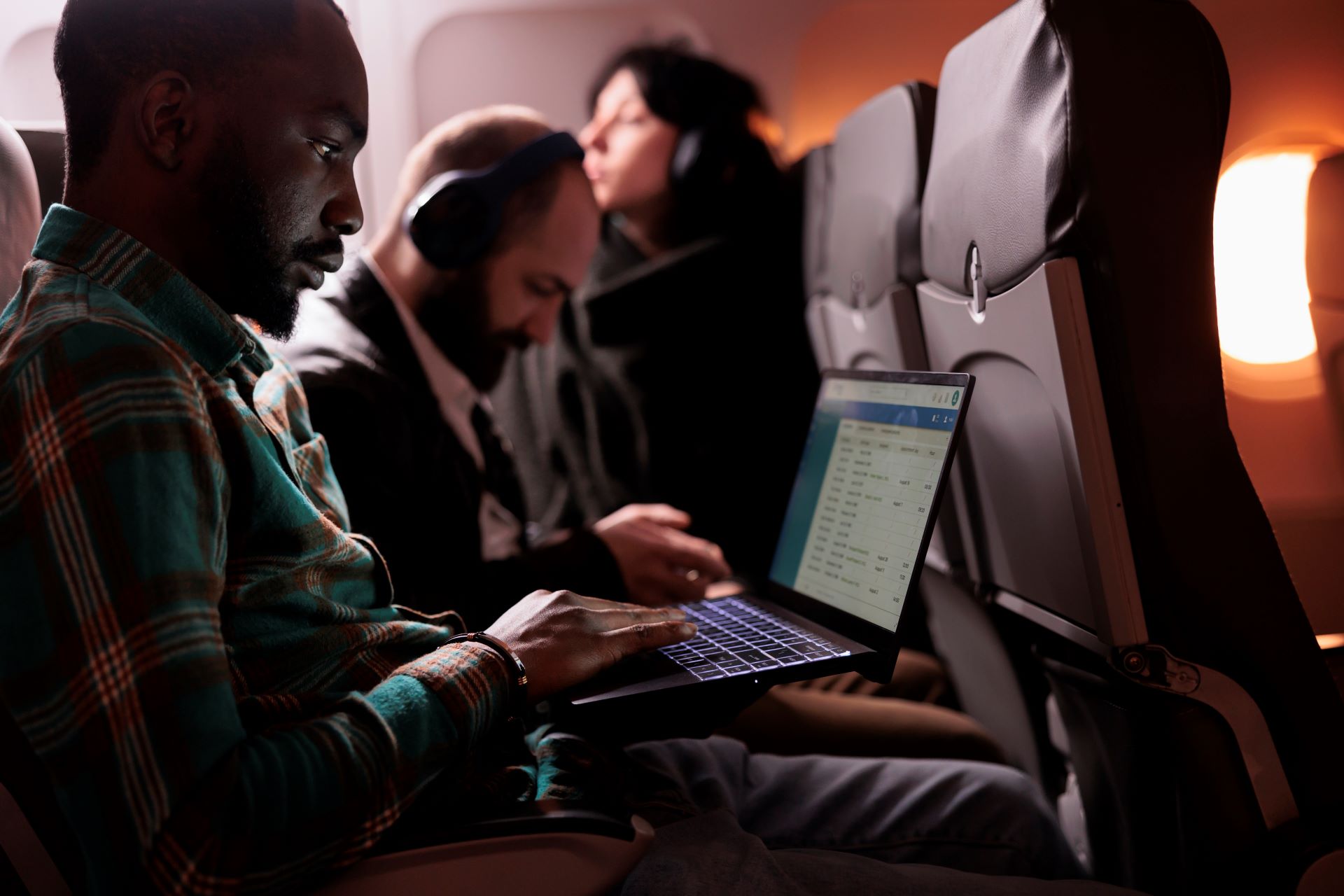
The Future Pace of Tourism
As aviation technology evolves, the pace of tourism is likely to increase further. Supersonic concepts, more efficient aircraft and expanded route networks promise even shorter travel times. The risk is that tourism becomes ever more transactional, defined by speed and scale rather than experience.
Yet the future is not predetermined. Airlines, destinations and travellers all play a role in shaping how speed is used. Flights can connect rather than compress, if time on the ground is valued as much as time in the air.
Modern tourism exists in a state of tension between possibility and restraint. Aviation has given travellers unprecedented access to the world, but access does not guarantee understanding. As flights continue to shape the rhythm of travel, the question is not how fast we can go, but how deliberately we choose to move.