

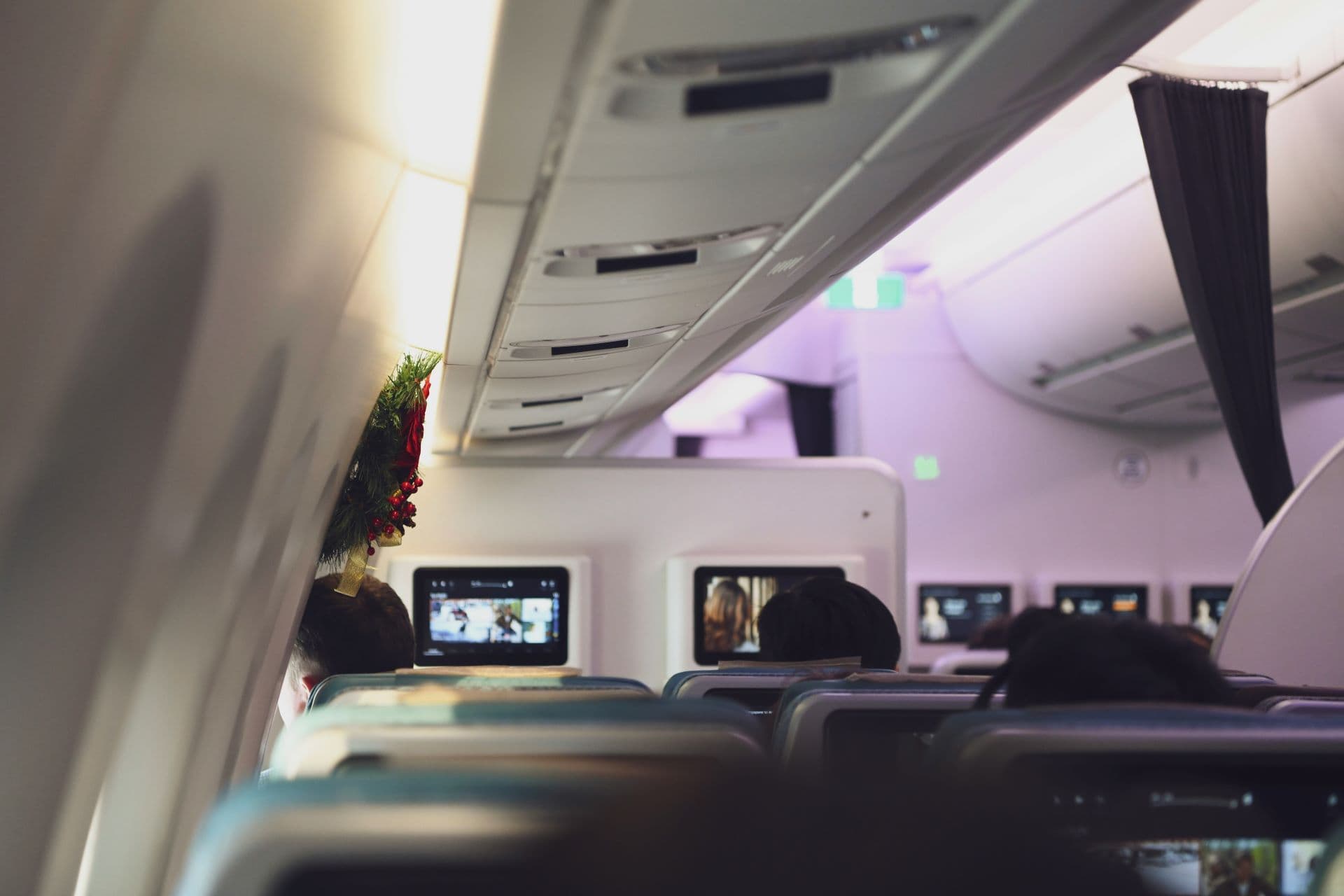
When you settle into your aeroplane seat, buckle up, and settle in for the cruising altitude, you’re entering more than just a journey across the sky—you’re stepping into a world of curated content: movies, documentaries, interactive apps and increasingly immersive virtual reality experiences. But what if this in‑flight entertainment isn’t just there to pass the time? What if it’s quietly shaping your sense of where to go next, how long you’ll stay, and what you’ll want to experience?
In the world of airline tourism, the cabin‑screen has become a gateway not merely to distraction but to destination planning. This article explores how curated in‑flight entertainment — especially more advanced formats like VR tours, interactive destination apps and high‑quality documentaries — plays a role in motivating passengers to choose specific destinations, to extend trips, and to engage in more adventurous forms of travel. We’ll dive into the evolution of in‑flight entertainment, investigate the psychology of desire and inspiration at 30,000 feet, examine case‑studies and airline strategies, and consider what this means for airlines, tourism marketers and travellers alike.

The evolution of in‑flight entertainment and its tourism potential
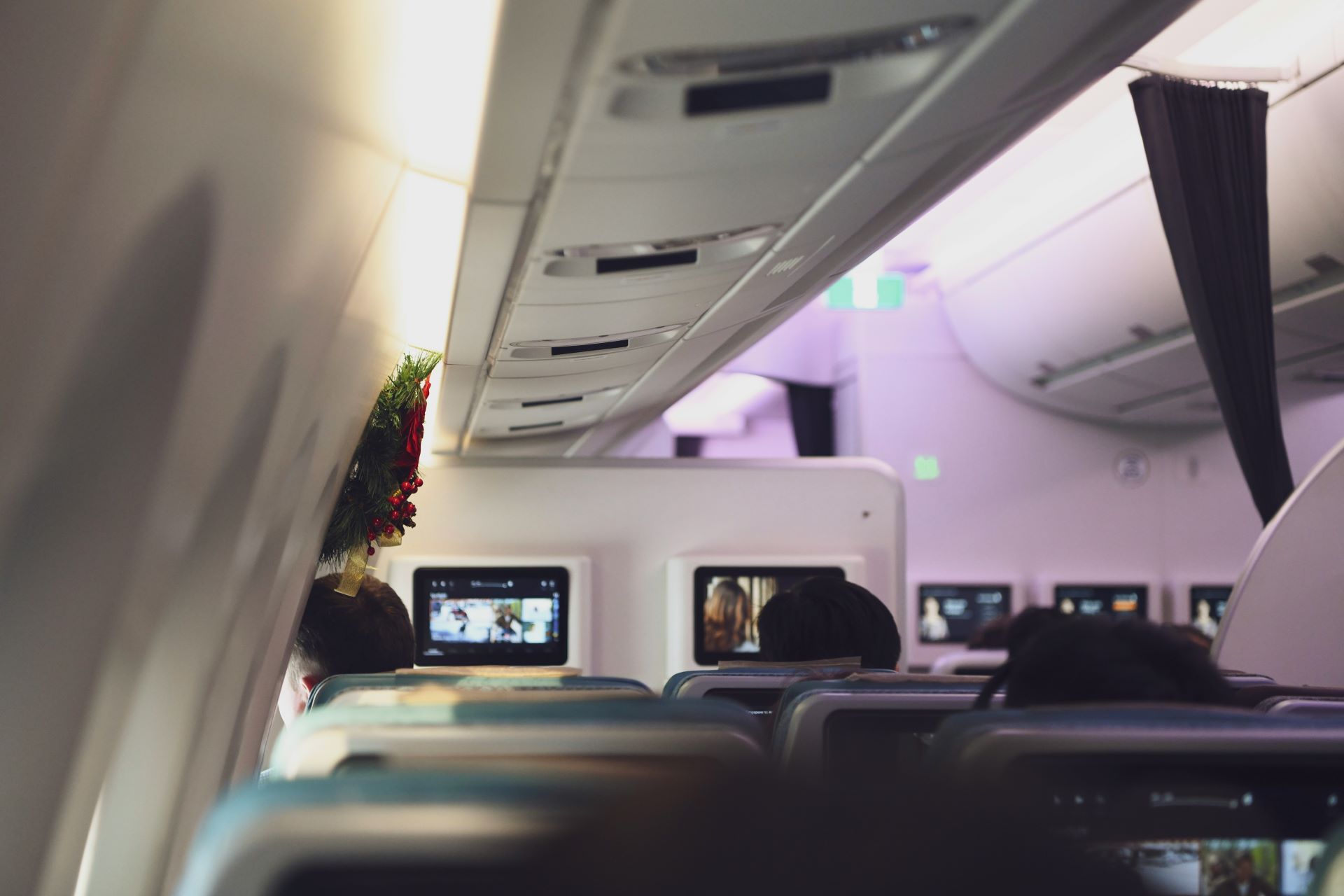
In‑flight entertainment (IFE) has come a long way from the first onboard movies and shared screens. As noted in the Wikipedia overview of IFE systems, the earliest systems were large communal screens and gradually evolved into individual audio‑video on demand (AVOD) systems, seat‑back screens, and now connectivity and more personalised experiences.
More recently, the travel and tourism industry has recognised that immersive technologies like virtual reality (VR) and augmented reality (AR) offer more than novelty—they can reframe the way people engage with destinations. For people in the airline cabin, the environment is one of captive attention: limited distraction, lots of time, a context of transit and potential anticipation. In this context, the curated content can function not only as entertainment but as destination inspiration.
Writing for travel‑tech audiences, analysts point out that VR in travel offers a “try before you fly” function: an immersive preview of destinations, accommodations or attractions can raise engagement and encourage actual bookings. Meanwhile, recent studies explore how VR in‑flight entertainment influences passenger experience and psychology.
For airlines and tourism marketers the implication is clear: the in‑flight screen (or headset) isn’t just a distraction—it can become part of the journey of inspiration, nudging the passenger toward destination decisions while they are already in travel mindset.
Why passengers are primed for inspiration at altitude
Let’s consider the unique psychology of air travel, and why a moment in the cabin becomes fertile ground for destination inspiration.
Psychological factors in the cabin
Time horizon and liminality: When you’re mid‑flight, you’re in a transitional space. You’ve left home and are headed someplace new—or you will be—and that liminal state opens the mind to possibilities.
Reduced immediate distraction: Without normal routines, and in many cases with full attention on seat‑back media, passengers are more open to content.
Anticipatory mindset: Simply being on a plane often activates a “travel mindset” — you’re preparing for arrival, you’re thinking of change of scene. That sets the stage for inspiration.
Captive environment: The cabin offers an unusual moment of downtime; the entertainment system can become a portal, not just for diversion, but for new ideas.
When you combine those factors with high‑quality content that highlights destinations via immersive, engaging formats, you get a potent formula: inspiration meets opportunity.
Transition from passive viewing to travel intent
It’s one thing to view a documentary about, say, the wild savannah of Kenya or the bazaars of Istanbul; it’s another to feel an impulse to book a trip there, extend a stay, or add a stop‑over. Research around VR has shown that when viewers engage in immersive destination previews, their travel intentions shift. For example, VR specialist commentary argues that immersive previews “increase engagement and excitement while reducing the uncertainty often associated with planning”. infosysbpm.com+1
In short: the cabin entertainment system can move from “just watching” to “thinking about going”.
The spectrum of curated in‑flight entertainment as travel motivator
Let’s look at the main types of in‑flight entertainment content and how each can contribute to destination inspiration.
Destination documentaries and story‑driven content
High‑quality documentaries, cultural films, local‑insight pieces can function like mini‑destination promos. When an airline selects content that features a specific location—the natural beauty, the food culture, the people—it can plant a seed of aspiration in a passenger’s mind.
For example, an onboard feature on South Africa’s wine country, or Norway’s fjords, can serve not only to entertain but to seduce with possibility: “What if I went there next?”
In this model, the key is not to overtly sell the destination (that can feel forced) but to tell a compelling story that leaves an emotional trace—curiosity, fascination, desire to explore.
Interactive apps and seat‑back engagement tools
Beyond passive viewing, many airlines now offer interactive apps or seat‑back systems that allow passengers to browse destination‑specific content, explore travel guides, virtual tours, local culture trailers, or even book excursions. These interactive experiences extend the IFE beyond entertainment into planning and inspiration.
According to travel‑tech commentary, AR/VR in travel is transforming how people “discover, plan and enjoy” travel, including “interactive travel planning” via immersive experiences.
Thus, the entertainment system becomes partly a micro‑travel portal: you watch a show, you then click through to learn more—and when you land, you’re already mentally halfway there.
Virtual reality tours and immersive destination previews
This is the frontier. Some airlines are experimenting with full VR headsets, immersive 360° content and even “in‑flight VR cinemas”. For example, the blog by Virtual Visits points out that in‑flight VR “can be a big differentiating factor for airlines to stand out”. A recent study explicitly explored VR as an in‑flight entertainment tool, showing that it influenced passenger attitudes and enjoyment.
By putting a passenger virtually into a destination while cruising above the clouds, the airline creates a powerful motivational moment. The brain begins to associate “this flight” with “this destination”.
Connectivity and personalised content for upsell and extended trips
Modern in‑flight systems are increasingly connected (Wi‑Fi, streaming) and can push personalised destination suggestions, interactive maps, local‑experience bookings, perhaps even connect travellers to local social media or tourism‑platform content mid‑flight. As one industry piece notes, airlines are embracing algorithmic entertainment and emerging technologies to enhance premium air travel.
In practice, this means: the entertainment system knows you’ve just watched a documentary about Bali; it presents a short “Plan your stop‑over” piece; the airline puts a highlight on a longer layover in Bali. The link between content and behaviour becomes direct.
How airlines and tourism players are implementing these strategies
Let’s look at how the practical side works: what are airlines doing, what content strategies are emerging, and how tourism marketers can leverage in‑flight channels.
Case highlights and strategic partnerships
Emirates has long been a leader in IFE systems. Their ‘ICE’ system boasts thousands of channels and has sought to integrate destination content. While not every piece of content is explicitly “travel‑motivation”, the sheer volume and presentation quality raise the baseline for what passengers expect.
In the blog by Virtual Visits, they reference that airlines such as British Airways trialled VR in‑flight experiences (on the Heathrow–New York route) including 360° videos of destinations, in order to create immersive opportunities.
The academic research study “Enrichment of Passenger In‑Flight Experience using Virtual Reality Technology” explores mixed‑methods data on how VR enhances passenger perceptions.
These examples show that airlines are already treating in‑flight entertainment systems as part of their broader brand‑and‑destination offering, not just a side benefit.
Content strategy: telling the destination story
For these systems to motivate travel, content must be crafted with intent:
Narratives of place: not just “see the beach of X” but “meet the people, experience the culture, immerse yourself in the journey”.
Highlighting extended stay potential: showing not only the “must‑see” but the “what if you stayed longer” scenes.
Cross‑selling via stop‑overs and alternative routes: the airline could say, “If you have a long layover in Dubai, here’s why you should add two extra nights.”
Personalisation and contextual relevance: tailoring content to the passenger’s origin, travel profile, season, and even the time of the flight.
Interactivity and follow‑through options: after the passenger engages with a piece of content, offering immediate next steps (e.g., “Learn more about this destination here”, “Book the stop‑over package”).
Collaboration between airlines and tourism stakeholders
To maximise impact, airlines must partner with destination marketing organisations (DMOs), tourism boards, experience providers and content studios. The content needs to be fresh, authentic and aligned with destination marketing. Airlines bring the captive audience; DMOs bring the story. Together, they create a loop: the passenger watches on‑board → becomes inspired → lands and extends stay or books return journey → the destination benefits.
What motivates booking specific destinations or extended trips?
Now we dig deeper into the “why” behind the inspiration: how does in‑flight entertainment translate into actual decisions?
Emotional triggers and decision making
When a passenger watches a destination‑focused documentary or experiences a virtual tour, certain emotional triggers get activated: desire for novelty, escape from routine, social media‑worthy experiences, self‑actualisation (I want to be that person who visits remote islands). For airlines and tourism marketers, the goal is to move from “nice to watch” to “I could go there”.
According to the VR/AR trends article, immersive previews increase engagement and reduce uncertainty. That reduction of uncertainty is key: many travellers are hesitant because of the unknown. Immersive content helps bridge that gap.
Longer stays and multi‑destination trips
In‑flight entertainment can also influence not just which destination but how long someone stays. For example, if a documentary or interactive piece shows multiple layers of a destination—city, countryside, local communities—a passenger may think, “Why just stay two nights when I could immerse for five?” Similarly, airlines with hubs may highlight stop‑over options, encouraging a longer stay by making it part of the trip. By planting that seed mid‑flight, airlines and destinations can convert what would have been a short visit into an extended experience (and a higher yield trip).
The itinerant mindset: from single‑destination to multi‑stop
The airline cabin is also a place where multi‑destination thinking becomes possible. A short video showing “from city to coast to forest” may push a passenger to build a multi‑stop itinerary rather than a single destination. The entertainment content becomes a subtle guide: you start with one location and think, “Ah—but while I’m in the region I might go here too.” This is particularly valuable for airlines with hub‑and‑spoke models or for destinations near other appealing locales.
Practical examples: how this plays out in the market
Let’s examine some believable scenarios and how airlines/destinations can use IFE strategically.
Scenario A: A mid‑haul flight with content designed to promote a stop‑over
Imagine you’re on a long‑haul flight from Johannesburg to London with a lay‑over in Dubai. The airline features a mini‑documentary on Dubai’s heritage, the desert safari, and the modern skyline. Then the IFE menu shows an interactive section “Extend your lay‑over: 48 hrs in Dubai”. You watch it, you think “Okay, maybe I’ll add two nights before the connecting flight.” The airline then nudges via pre‑landing message: “Would you like to book this stop‑over?” The result: the passenger stays longer, spends more, the airline sells more ancillary revenue.
Scenario B: Immersive VR experience on ultra‑long‑haul flight
On a 16‑hour flight from Johannesburg to Singapore, passengers are offered VR headsets and a selection of destination‑immersive experiences: diving in the Maldives, trekking in Borneo, city nights in Singapore. One clip “Okay So we have this.” triggers a sense of “I could do that.” Post‑flight, the airline email follow‑up says: “Loved the Trek Borneo VR? Here are real trip options.” Some passengers book a return or add a stop‑over — mission accomplished.
Scenario C: Seasonal promotion of lesser‑known destination
A smaller tourism board wants to promote an off‑beat destination (say, Namibia’s Skeleton Coast). The airline IFE features a high‑quality film: wild desert, shipwrecks, coastal wildlife. Passengers on flights to southern Africa view it; some curious travellers think “I’ll detour there.” The airtime and captive audience served by the airline translates into real bookings.
The business case: benefits for airlines, tourism and travellers
Why invest in this? Let’s weigh the benefits for each stakeholder, and the considerations.
Benefits for airlines
Differentiation: In a market where price competition is intense, offering unique entertainment (VR, destination content) helps brand positioning.
Revenue upsell and ancillary income: Encouraging longer stays, stop‑overs or multi‑destination trips often means higher yield per passenger.
Stronger loyalty and brand experience: A memorable entertainment experience can impact passenger satisfaction and brand affinity.
Partnership opportunities: Airlines can partner with destination marketing boards, content producers, and tourism agencies to share cost and revenue.
Benefits for destination tourism organisations and stakeholders
Passive exposure to captive audience: The airline provides access to travellers while they are in a receptive state.
Narrative control and curated storytelling: Instead of generic ads, destinations can deliver immersive story‑led content that translates into travel intent.
Opportunity to promote longer stays and secondary destinations: Beyond the headline city, the content can highlight unexplored areas, encouraging dispersion of tourism.
Benefits for travellers
Better informed and inspired decisions: Passengers gain more context about places, reducing anxiety and enhancing excitement.
Discovery of destinations they might not have considered: The curated content might spark a desire for something beyond the typical.
Pre‑trip mindset built in‑flight: By the time they land, they’re already mentally exploring options.
Considerations and challenges
Content relevance and quality: Poorly produced content or irrelevant destinations will not inspire.
Technical and cost issues: VR headsets, 360° content, up‑to‑date systems require investment. Research cautions about nausea, comfort and content duration for VR experiences.
Data privacy and personalization ethics: If personalized suggestions are made, airlines must manage data ethically.
Measurement of impact: It’s not always straightforward to track how in‑flight entertainment leads to actual bookings or extended stays.
Passenger segmentation: Not every passenger will respond to the same content; different segments (business vs leisure) may require different approaches.
Future trends and how the cabin destination‑inspiration will evolve
Looking ahead, here are some of the emerging trends and how they might shape the next chapter of in‑flight entertainment as travel motivator.
Hybrid physical‑virtual journeys
We will see more “preview‑and‑plan” experiences: the passenger watches a VR clip, the IFE system links to an itinerary builder, the airline offers integrated stop‑over packages, perhaps even AR experiences onboard or via headsets tied to destination content. The interplay of virtual preview and real travel will become more seamless.
Greater personalisation through data
Content engines will increasingly use passenger data (with consent) to present destination suggestions aligned with travel history, seat class, time of year, origin market, even mood metrics (e.g., are they on holiday or business?). This increases relevance and conversion of inspiration into action.
Secondary and emerging destinations gain visibility
Airlines and tourism players will look beyond the headline destinations to “hidden gems” and lesser‑seen places. In‑flight content is an ideal way to expose travellers to these less‑known locations, helping diversify tourism flows and avoid overtourism in saturated spots. As the blog on VR & tourism notes, immersive content is especially valuable for places without top‑tier attractions to demonstrate potential.
Integration of live connectivity and post‑flight follow‑through
Passengers increasingly expect onboard connectivity. Entertainment systems may link to real‑time booking options: “You watched that and you’re flying via Singapore—how about a 24‑hour side‑trip?” Post‑flight emails may tie in with the content watched, offering timely offers. Airlines may integrate IFE consumer behaviour data (with privacy safeguards) into their marketing funnels.
Immersive and multisensory experiences
Beyond 360° video, future systems may include more advanced VR, AR overlays, interactive gamification, social media tie‑ins (share your preview, get points), maybe even holographic previews. The objective: move from passive viewing to active engagement, increasing the likelihood of travel decision.
Recommendations for stakeholders in airline tourism
For airlines, tourism marketers, content producers and travel writers alike, here are some tactical recommendations to harness in‑flight entertainment for destination inspiration.
For airlines
Prioritise content partnerships with tourism boards and local experience providers to ensure compelling, authentic destination stories.
Segment your passenger base and tailor content accordingly: business vs leisure; origin market; flight duration; seat class.
Consider interactive and immersive formats (VR, 360° journeys) on long‑haul flights where passengers have time and openness.
Build measurable links between in‑flight content engagement and post‑flight travel behaviour: offer follow‑up booking invites, loyalty integration, stop‑over incentives.
Ensure the UX of the IFE is intuitive and optimised for discovery, not just movies: browsing destination content should be seamless, engaging and incentivising.
For tourism stakeholders (DMOs, destination marketers)
Take advantage of the captive airline environment: create content designed for the cabin viewer—shorter segments, high impact visuals, emotional draw.
Highlight extended stay options, stop‑over value, multi‑destination packages, rather than just the headline “city day‑visit”.
Collaborate with airlines on co‑branded experiences, in‑flight interactive apps, post‑flight offers to convert inspiration into bookings.
Use in‑flight content as part of your broader funnel: bed‑in‑cabin inspiration → email follow‑up → ground experience.
Gather feedback and data: what content engaged? Which passengers clicked through? Use that to refine future content.
For copywriters, content creators and travel writers
Think of each in‑flight piece as storytelling with purpose: where does this narrative lead the viewer? The goal is not just to entertain but to motivate.
Build narratives that show “what it feels like to be there” rather than just “what there is”. Emotion and experience matter.
Incorporate multi‑screen logic: the viewer may start onboard, switch to mobile or tablet later, or land and click a follow‑through. Make the story consistent across devices.
Consider the unique constraints of the airline environment: passengers may be tired, distracted, seated-long time. Story segments should be engaging but digestible.
Use the opportunity to influence longer stays and more adventurous itineraries: suggest rather than dictate.
Closing thoughts
In‑flight entertainment has always been about keeping passengers engaged, comfortable and maybe happy. But increasingly it’s about inspiring journeys. When you’re at 35 000 feet, sliding into your seat, perhaps a little jet‑lagged, the entertainment screen becomes more than a distraction—it becomes a portal. A documentary shows you a hillside trek in Costa Rica. A VR headset immerses you in the desert dunes of Namibia. An interactive app invites you to book a 48‑hour stop‑over in Istanbul. Suddenly the question shifts from where am I going to where else could I go?
For airlines, this offers a new frontier: the cabin as part of the destination funnel. For destinations, this offers a captive audience open to inspiration and wanderlust. And for travellers, this offers a moment in the sky where the next journey takes flight even before you land.
As airlines, tourism marketers and content creators continue to innovate—from AVOD to VR, from passive viewing to interactive engagement—the role of curated in‑flight entertainment in shaping travel behaviour is only going to deepen. The next time you glance at your screen above the clouds, you might just be choosing your next destination—and staying a little longer than you planned.
Fly well, stay curious, and let the sky be not just the route but the motivation.