


Nine flight-booking myths that can make a cheap ticket expensive
A low fare can be a good starting point, but it rarely tells the whole story of a journey. Two flights at similar prices may include different baggage, offer different opportunities to change dates and leave very different amounts of time between connections. Understanding those details is especially useful when you are comparing domestic and international flights from South Africa.
Many booking myths survive because they contain a grain of truth. A separate ticket may cost less. An early purchase can be sensible. A connection may work perfectly. The trouble starts when a useful possibility is treated as a guarantee that applies to every airline, route and traveller.
Here are nine assumptions worth checking before you pay, followed by practical questions to ask when you compare your options.
Myth 1: The cheapest headline fare is always the cheapest trip
A search result usually makes the fare easy to notice. What you need is the total price for the journey you actually intend to take. That may include a checked bag, a seat selection, a payment charge where applicable, or an additional service you decide to buy. The available options and prices depend on the airline, route and fare.
Imagine one traveller needs only a small cabin bag and can accept an allocated seat. A basic fare may suit them well. A colleague taking equipment and needing a checked suitcase could find that a higher initial fare is better value once the same requirements are included. Neither fare is automatically better without knowing what each person needs.
Compare the same number of passengers, travel dates, baggage and relevant extras. Check whether the price shown is for one person or the whole group, and review the final total before you authorise payment. If a service is optional, decide whether it solves a real need rather than assuming it must be added.
On South African Airways' additional baggage page, extra baggage is a separately priced service under stated conditions. This is an example of why baggage must be checked for the specific ticket; it does not establish the allowance or fees for another airline.
Myth 2: Every economy ticket includes the same baggage
Economy is a cabin, not a universal baggage allowance. Different airlines and fare types may offer different checked and cabin baggage entitlements. Weight, the number of pieces, dimensions and restrictions on particular items can matter. A booking involving more than one airline may also need careful checking, especially if different tickets are involved.
Start with the allowance attached to the fare you are considering. Then check whether a personal item is permitted in addition to a cabin bag, whether you need checked baggage and what restrictions apply to its size or weight. If you are travelling with sports equipment, a musical instrument, mobility equipment or a child's items, consult the relevant airline's current instructions before relying on a general guide.
Do not assume a bag that fitted one airline's cabin rules will qualify on the next. Also distinguish what may be carried from what is included without an extra charge. An airline can permit an additional bag while charging for it. SAA's checked-baggage information illustrates how allowances and exceptions can vary by journey and booking.
For an itinerary with a connection, ask whether your bag is checked through and whether you must collect it for customs or recheck it. The answer depends on the route, airlines, ticket and airport procedures. Allow enough time for the actual process rather than assuming baggage handling will be identical at every transfer point.
Myth 3: A flexible ticket means any change is free
The word flexible can describe several different arrangements. One fare may permit changes subject to a fee and a difference in fare. Another product may waive a particular change penalty but retain other restrictions. Refundability and the ability to change dates are separate questions.
Before purchasing, read the conditions that apply to the exact fare and any optional flexibility product. Ask what happens if your preferred replacement flight costs more, whether a cheaper replacement produces a credit or refund, and whether a change must be requested before departure. Check whether the benefit covers every passenger and every flight in the itinerary.
Travelstart's booking terms state that airline and fare conditions can apply to changes. Its flexible-date product page describes a separate product with its own conditions. Neither should be treated as a promise that every flight sold through every channel can be changed without cost.
Myth 4: Two tickets that connect are the same as one itinerary
A connection on one booking and two flights bought separately can look similar on a calendar. Operationally, they may be quite different. If the first flight is delayed and you miss the second, the available assistance and rebooking options depend on the ticketing arrangement, carrier conditions, applicable rules and the reason for the disruption.
A single itinerary does not remove all risk or guarantee a particular outcome. But two separate tickets can leave you responsible for arranging a replacement onward flight if the first journey runs late. You may also need to collect baggage, pass immigration or customs, move between terminals and check in again. Whether those steps are necessary depends on the actual airports and carriers.
Look beyond the gap between scheduled arrival and departure. The first aircraft needs time to park and passengers need time to disembark. A checked bag may take additional time. Check-in or bag-drop deadlines for the next flight can close well before departure, and a terminal change or border process can add uncertainty.
Before buying, identify whether the itinerary is a single ticket or a self-transfer involving separate tickets. Ask the seller what happens if the first flight is late, who to contact and whether baggage must be collected. If you choose a self-transfer, consider the cost of an overnight stay or replacement ticket as part of the trade-off, particularly for a time-critical trip.
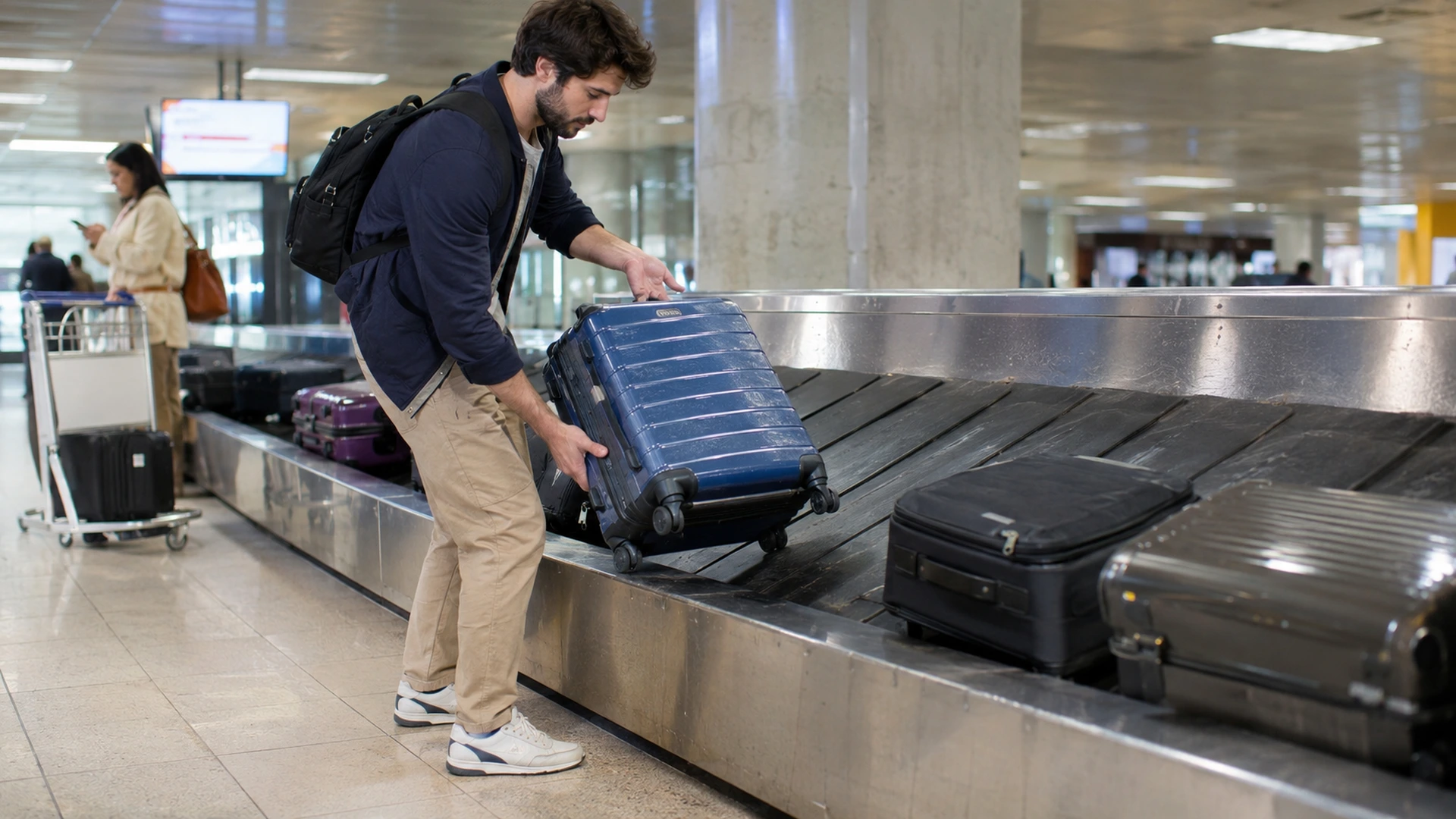
Myth 5: A short connection saves time in every case
A short scheduled connection can produce a shorter itinerary on paper. It may also leave less room for ordinary operational variation. A 50-minute connection at one airport may be presented as bookable, while the same interval on separate tickets at another airport may be impractical. Airport layout, airline arrangements, immigration and baggage handling all affect the experience.
Check the terminal and arrival information, whether you change airlines and whether your travel documents allow the required transfer. If you have mobility needs, are travelling with young children or have checked baggage that must be collected, consider the extra time your party may need. The same applies when a disruption would carry a high cost, such as missing a cruise departure or an important meeting.
Myth 6: You can always skip the first flight and use the rest
Travel plans sometimes change after a ticket is issued. It may appear harmless to skip the first segment and join the next one, or to miss the outbound flight and use the return. Some airline ticket conditions, however, require flights to be used in sequence. Missing a segment without arranging a change can affect later flights on the same ticket.
Travelstart's terms warn that an airline may cancel remaining flights if a passenger does not check in for the first flight. The rule is not a universal description of every airline or ticket, so check the conditions that apply to yours.
If you can no longer use a flight, contact the booking provider or airline promptly, ideally before departure. Ask whether the itinerary can be changed, what it will cost and what will happen to every remaining segment. Do not buy a replacement flight until you understand whether it affects the existing booking and how the two arrangements interact.
Myth 7: Correcting a passenger name is always a quick edit
An obvious spelling mistake may look minor, but airline policies on corrections and name changes differ. Some carriers distinguish a correction to the same traveller's name from transferring the ticket to another person. Others may restrict or charge for a correction, and supporting documents may be required.
Enter names as requested by the booking form and check them against the travel document you will use. Review each passenger individually before payment, including children and travellers with multiple given names or surnames. If the form is unclear, ask the booking provider how the name should be entered rather than guessing.
If you notice an error after booking, report it immediately and ask for the applicable airline process and any fee. Do not assume that arriving at the airport with an explanation will be enough. Travelstart's terms note that some airlines do not permit name changes and may require a new ticket. The actual outcome depends on the carrier and the nature of the error.
Myth 8: A booking confirmation and an airline ticket are identical
A confirmation email can acknowledge a booking request or payment, but travellers should also check whether the ticket has been issued. The documents and terminology vary by provider. A booking reference helps identify a reservation; an electronic ticket number is associated with the issued ticket. If either is missing or unclear, ask the provider to explain the status.
Review the passenger names, dates, airports, flight numbers and contact details as soon as the documents arrive. Keep a copy that you can access during your trip and record the booking provider's support details. If you bought through an agent, find out which changes should go through the agent and which requests can be handled directly with the airline.
Myth 9: Travel insurance automatically covers every missed flight
Insurance can be valuable, but policies have definitions, conditions, limits and exclusions. A policy may treat a missed departure, an airline cancellation, an illness and a delay on a separately booked flight differently. The fact that an event is inconvenient does not by itself establish that a claim will be paid.
Read the policy wording and disclosure documents before purchase. Check when cover begins, which people and destinations are included, what evidence is required, applicable excesses and whether the situation you are concerned about is covered. Existing medical conditions and travel against official advice may have specific rules; ask the insurer if your situation is unclear.
Keep relevant receipts and obtain written confirmation of a delay or cancellation where possible. If a disruption occurs, follow the insurer's notification requirements as well as the airline's instructions. The airline, booking provider and insurer have different roles, so identify the right contact for the request you are making.
A better way to compare your next flight
Begin with the journey rather than the fare alone. Note your travel dates, acceptable airports, baggage, arrival deadline and any likelihood of a change. Compare the final price of options that meet those needs, then inspect the connection and ticket conditions.
Before payment, check each traveller's name, the departure and arrival dates, the time zones shown, the airport codes and the total cost. Verify the baggage allowance and whether any transfer is on separate tickets. Read the rules for changes, cancellations and no-shows, and confirm how to request assistance if plans change.
Once the ticket is issued, keep the booking documents and monitor the contact details supplied for schedule updates. Airline schedules and policies can change, so verify the current conditions with the carrier or booking provider before departure.
There is no single fare that is best for every traveller. A good booking is one whose price, conditions and itinerary make sense for the trip you actually need to take.