

The future of flight booking: will travel become easier to compare and manage?
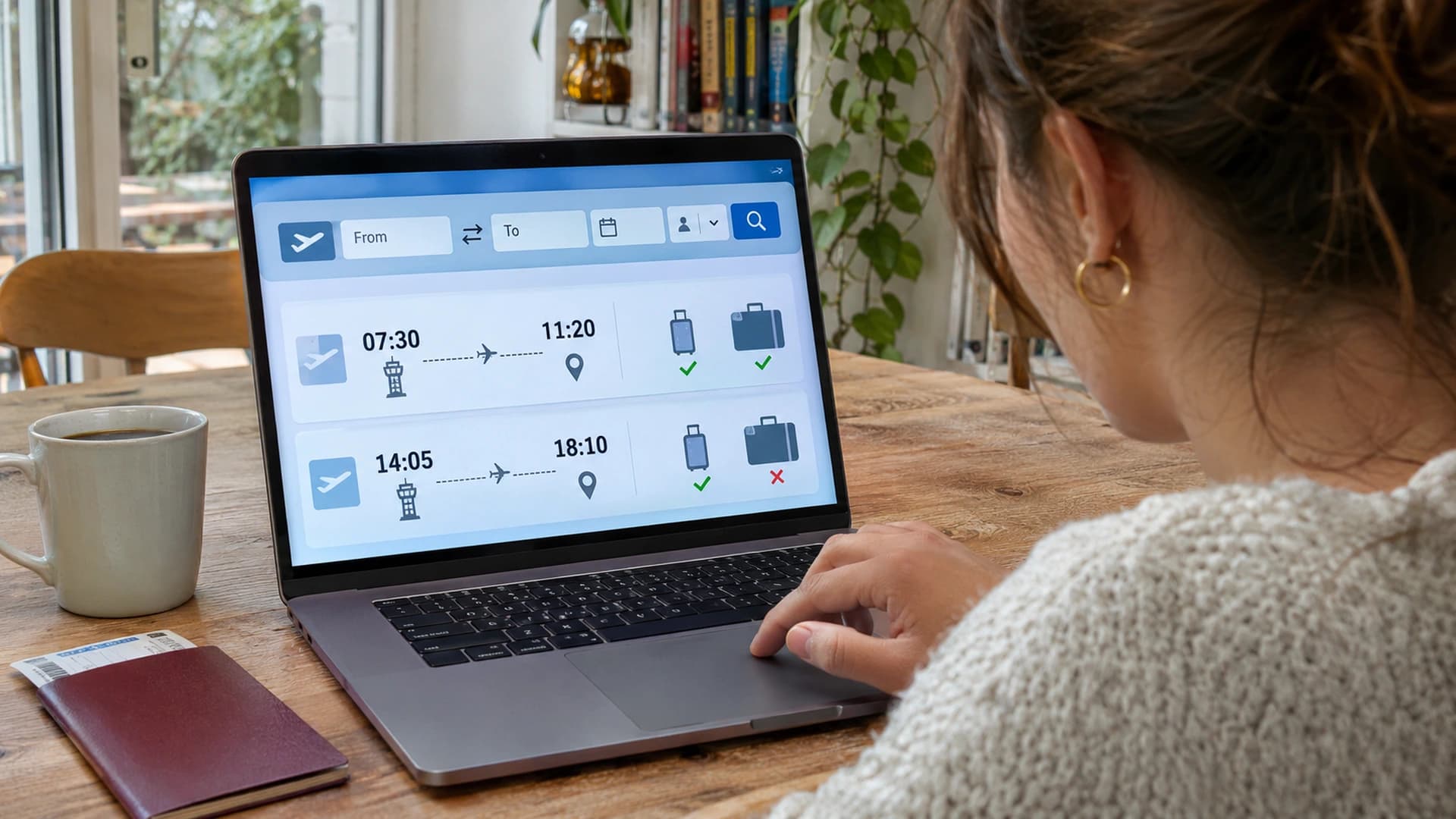
Buying a flight has become increasingly digital, but the experience can still feel fragmented. A traveller may compare fares on one screen, receive several booking documents, choose baggage separately and then contact a different organisation when a flight changes. An electronic process is not necessarily a simple one.
The next phase of airline retailing could change how offers, bookings and travel information fit together. Industry initiatives around digital orders, identity and automated trip planning aim to make parts of the journey easier. Their success, however, will depend on the details travellers can see and the support they receive when something goes wrong.
For South Africans comparing domestic or international flights, the question is not whether an industry technology sounds impressive. It is whether it helps them understand the full price, make an informed choice and manage their trip with confidence.
Why flight booking is changing
Airlines, airports, booking providers, governments and payment companies all play a role in a journey. Their systems have developed over time for different purposes. A flight reservation, a ticket, an additional service and a payment can each involve records and processes that must be coordinated among organisations.
The International Air Transport Association's modern airline retailing programme describes an industry transition towards offers and orders. In October 2026, IATA said seven airlines were live or implementing orders and more than 20 were expected to follow from 2027. That statement describes progress and expectations, not a guarantee that every airline or South African route will change on the same timetable.
The intended direction is clearer product information and a more consistent way to handle a purchase through its life cycle. Whether a traveller experiences those benefits depends on implementation by each company and its partners. Old and new processes may coexist for some time.
For customers, the practical test is straightforward: can you see what you are buying, find your documents and obtain help without having to explain the same problem repeatedly? A new system should be judged by that outcome, not by the technical term used to describe it.
From a fare to a complete offer
A flight search has traditionally put the ticket price at the centre of the decision. Travellers often need more than a seat, though. They may need a checked bag, the ability to change dates, assistance at the airport or a particular arrival time. An offer that presents these choices clearly could make comparison more useful.
Modern retailing can support different combinations of flights and services, but more options do not automatically make decisions easier. If one result includes a bag and another does not, the traveller still needs a way to compare equivalent trips. Clear labels, a transparent total and accessible terms matter more than the number of choices on screen.
Consider a business traveller whose meeting date may change. A lower initial fare could be attractive, but the relevant comparison includes the conditions and likely cost of changing it. A family may care more about baggage and seating. Each needs a clear view of the features that matter to their trip without assuming that the same package is best for everyone.
Personalised offers also raise questions. Travellers should be able to understand the conditions attached to what they are shown and decide whether an extra service is worth its price. Personalisation should help explain a choice, not make it harder to see what is included or compare alternatives.
What a digital order is intended to do
IATA's ONE Order explanation describes an initiative intended to combine information traditionally held in several airline booking and ticketing records into a single order. Its stated goal is to simplify communication and fulfilment across participating organisations.
In principle, a more coherent record could help a traveller and support staff find the relevant flight and purchased services together. For example, a change in schedule might be easier to handle if the organisations involved can identify the flight and associated baggage service consistently. That is a potential benefit, not a guarantee that every change will be free or automatic.
An order does not replace the need to check fare rules. The passenger still needs to know what can be changed, whether a refund is available and how long assistance may take. Nor does one order automatically solve every problem involving separate tickets, an independently booked hotel or an insurer.
The transition also requires coordination behind the scenes. Airlines, travel sellers, payment providers and partners need compatible processes. A customer may see a simple confirmation while the organisations involved still have work to do on servicing, accounting and support. During a transition, travellers should keep the documents and references they receive and verify the booking status with their provider.
AI could help organise choices, but it needs checks
Automated trip-planning tools can potentially help travellers sort through dates, departure times and connections. IATA identified artificial intelligence as one of the forces changing how travel is discovered in its October 2026 digitalisation update. That does not mean a tool's recommendation is necessarily available, accurate or suitable for every traveller.
An assistant might be asked to find a flight that arrives before a meeting and includes a checked bag. A useful result would show the source of the information, the total price and the assumptions made. It should also make clear whether the itinerary contains separate tickets and whether the quoted conditions have been verified.
A polished summary can conceal a missing detail. The tool may use outdated schedules, misunderstand a passenger's baggage needs or present a short connection without explaining an airport change. A quoted fare may no longer be available when the traveller reaches the booking screen.
Treat an automated recommendation as a starting point. Check the final offer and fare rules with the airline or booking provider, confirm the correct dates and airports, and review the price immediately before payment. For passport, visa or health requirements, consult the relevant official authorities and carrier for the specific traveller and route.
The most useful automated tools will make uncertainty visible. A statement such as “confirm this allowance with the operating airline” is more helpful than an unsupported guarantee that a bag is included. Human support also remains important when an itinerary is unusual or a disruption cannot be resolved through a standard workflow.
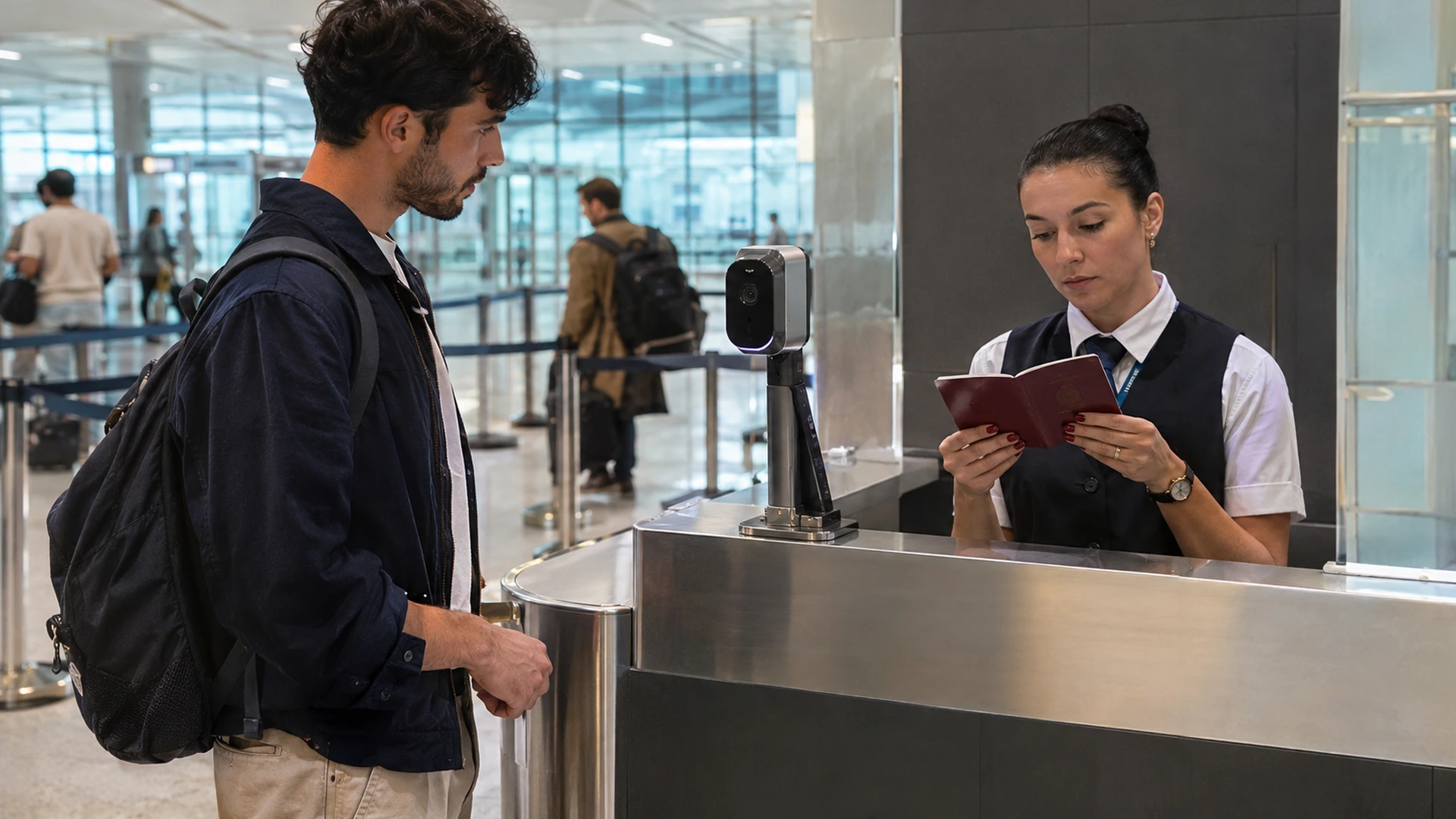
Digital identity may change the airport journey
Digital identity initiatives are being explored alongside booking changes. The International Civil Aviation Organization (ICAO) publishes work on digital travel credentials, while countries and airports decide how and when to use relevant systems. In March 2026, ICAO announced a next-generation Public Key Directory system intended to support the verification of travel credentials and future needs.
This is infrastructure and standards work, not a statement that a South African traveller can replace a physical passport with a phone on every route. Acceptance depends on the countries, airlines, airports and specific systems involved. Travellers must follow the document requirements in force for their own journey.
A potential benefit of sharing verified information in advance is that certain checks could be completed earlier. A potential concern is how personal information is collected, stored, shared and corrected. A clear process should explain what participation means, which organisations receive information and what happens if a traveller cannot or does not want to use the digital option.
Biometric processing may also be offered in some settings. Availability and rules differ by location. Before using a service, check the official information about eligibility, consent where relevant, and the alternative process. Never assume that signing up for one airline's system provides access to another country's border controls.
Better disruption handling is the real test
A booking experience is easiest to praise when a journey runs normally. The more revealing test comes when a flight is delayed, cancelled or rescheduled. A traveller needs to know which segment changed, what options are available, whether purchased services carry over and who can authorise the change.
If a flight was purchased through an agent, the roles of the agent and airline can differ by request. South African Airways' contact guidance directs customers who bought through a travel agent or online travel agent to contact that agent for refund applications. This is a carrier-specific example; procedures for another airline or request may differ.
A future system should make the contact route clear before a problem arises. It should also distinguish an airline's change from a traveller's voluntary request, since the applicable options can differ. A digital notification is useful only if it contains enough information to act or leads to support that can help.
For an itinerary involving separate tickets, clearer warnings about self-transfer remain essential. New technology does not automatically create a protected connection. Travellers still need to understand who is responsible for each booking and what happens if the first flight arrives late.
What to look for when booking today
The industry's future will arrive at different speeds. For a journey being booked now, start with the actual offer rather than an assumption about what a new platform should provide. Check the total price for all passengers and the baggage and services you need. Read the change and cancellation conditions before payment.
Confirm whether the flight is direct or includes a connection, which airline operates each segment and whether you have one ticket or separate bookings. Review the departure and arrival airports, dates and local times. If the trip crosses a date line or includes an overnight flight, check the arrival date carefully.
Enter names according to the booking provider's instructions and the travel documents you will use. After paying, verify that the ticket has been issued, check the confirmation and keep the provider's contact details. If anything is unclear, ask before assuming that a service is included.
For international travel, verify passport, visa, transit and health requirements with the responsible official authorities and the operating airline. Requirements can change and may depend on nationality, destination and route. A digital booking confirmation is not a substitute for the required travel documents.
A useful question for any new service is how to correct an error. Ask whether you can amend a phone number, identify a duplicate booking or reach someone who can investigate a failed payment. A clear correction process matters as much as a convenient initial search.
A more useful measure of progress
The future of flight booking should be measured across the whole journey: discovery, comparison, purchase, changes and support. Digital offers and orders may reduce friction, and better information could help travellers find an itinerary that fits their needs. Neither result follows automatically from adopting a new technical standard.
For South African travellers, progress will be visible when the total cost and conditions are clear, the booking can be managed easily and the route to assistance is obvious. Until then, the fundamentals remain valuable: compare equivalent options, verify important details and keep the documents needed to manage the trip.